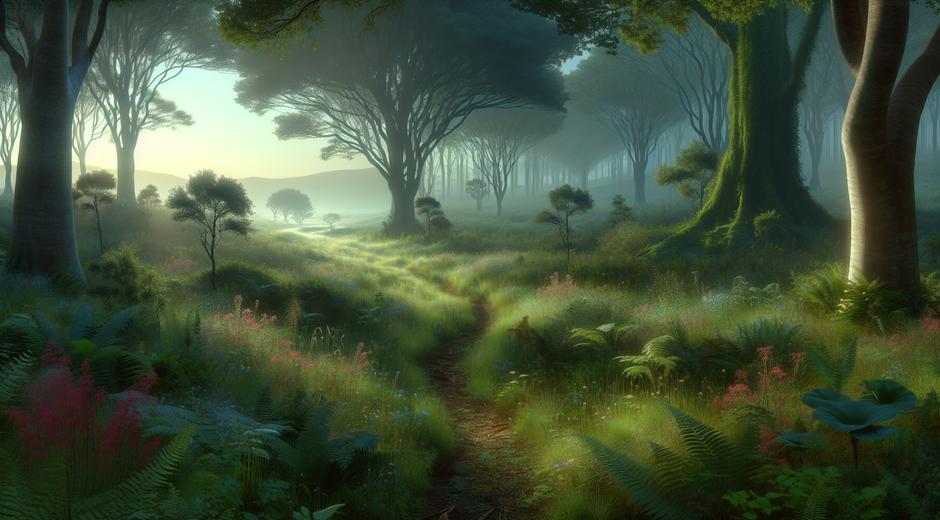


Quiet Coast A Guide to Solitude Sea and Story
The Quiet Coast evokes images of wide empty beaches soft light and a sense of slow time. For people who crave calm and scenic moments the Quiet Coast is a call to step away from crowded harbors and loud city shores. This guide explores why the Quiet Coast is a must for mindful travel and how to plan a trip that honors nature community and simple joy.
Why the Quiet Coast Matters
The Quiet Coast is more than a label. It names a way of traveling that values silence local culture and the natural world. Many coastal areas that never grew into tourist hubs have preserved fragile ecosystems and authentic ways of life. Visiting these places in a careful respectful way can support local economies and nurture conservation. The Quiet Coast offers deep sensory experiences. You can listen to surf patterns study bird flight and notice subtle changes in light across tidal flats. Those moments shape memories that last longer than any single attraction.
How to Find Your Quiet Coast
Finding a Quiet Coast spot begins with research and an open mind. Seek regions known for small coastal villages protected wetlands and low numbers of overnight stays. Local blogs travel forums and community pages reveal seasonal patterns and little known coves. If you prefer a curated approach consult regional guides that specialize in slow travel and nature immersion. For ongoing stories and travel ideas about calm coastal escapes visit tripbeyondtravel.com where local narratives and practical tips meet inspiration.
Best Time to Visit the Quiet Coast
The best time changes by place and by what you hope to see. Spring brings nesting birds and new life. Late summer offers warm water and long golden light. Autumn can be a photographer favorite because of clear air and dramatic skies. Winter holds its own charm with empty beaches stark dunes and dramatic weather in some regions. Consider tides and migratory cycles when planning a trip. Low tide can reveal tidal pools and walking flats while high tide can shape safe boating and wildlife observation times. A flexible schedule helps you follow the best conditions for your interests.
Top Activities on the Quiet Coast
Activities on the Quiet Coast focus on nature culture and gentle movement. Here are some ideas that keep the tone restful and immersive.
Nature walks and bird watching Quiet coastal habitats often host rich bird life. Bring a small pair of binoculars and a field guide. Early morning and late afternoon are prime times for sightings.
Kayak and paddle exploration Quiet bays and estuaries invite silent exploration by paddle craft. Small watercraft let you move slowly and notice marine life from a respectful distance.
Photography and sketching Soft light and open horizons reward patients and attention. The Quiet Coast is a canvas for photographers and artists who prefer subtle scenes and natural palettes.
Local food and markets Small fishing villages often sustain seasonal catches and family run markets. Sharing a meal with locals or buying produce directly supports the community and yields memorable tastes.
Stargazing Low light pollution makes coastal skies ideal for star study. Bring a simple star chart or an app and enjoy constellations and the Milky Way when conditions allow.
Where to Stay and What to Eat
Accommodation on the Quiet Coast tends to be small scale. Look for family run guest houses small inns and eco lodges that blend into the landscape. These options often provide deeper local connection than large chain hotels and they typically reinvest earnings in the community.
Cuisine on the Quiet Coast highlights fresh seafood seasonal vegetables and simple recipes rooted in local tradition. Enjoy intimate meals at small eateries or family kitchens and ask about local specialties. Buying from small producers supports sustainable practices and preserves culinary heritage.
Packing Tips for a Quiet Coast Escape
Packing for a Quiet Coast trip emphasizes comfort practicality and respect for place. Key items to include are sturdy walking shoes breathable layers and sun protection. A compact day pack helps you carry a water bottle a snack a camera and a light first aid kit. Opt for reusable items such as a water bottle and shopping bag to reduce waste. If you plan to kayak or paddle bring a dry bag and shoes that can get wet. A small guide book or local map helps you learn about natural features and private property boundaries so you can move responsibly.
Respectful Travel Practices
Visiting the Quiet Coast carries a responsibility to protect fragile ecosystems and local culture. Follow these simple practices.
Leave no trace Pack out what you bring and avoid leaving materials behind on beaches and trails.
Stay on established paths Many dunes marshes and nesting areas are fragile. Staying on paths protects habitat and reduces erosion.
Honor wildlife Give animals space and avoid feeding them human food. Observing from a distance reduces stress for birds marine mammals and other species.
Support local businesses Choose local accommodation eateries and guides. This ensures your travel dollars benefit the community rather than outside operators.
Health and Safety on the Quiet Coast
Safety planning increases your peace of mind. Check local weather and tide forecasts. Tell someone where you plan to go and when you will return. If you explore tide flats learn safe routes and be mindful of incoming tides that can cut off exit points. Carry a basic first aid kit and know how to contact emergency services in the region. Keep your phone charged and store offline maps when service is patchy.
Mindful Activities to Deepen Your Experience
The Quiet Coast invites gentle practices that deepen connection. Try morning breathing exercises on the sand mindful walking where each step is intentional and journaling by the water. Bring a small book of poems or a sketchbook and allow time to be still. These practices slow your pace and create space for noticing small details such as the texture of driftwood the pattern of shells or the distinct call of a shore bird. Such moments often transform a simple holiday into a meaningful retreat.
Planning Resources and Local Partners
For visitors who want expert guidance on eco friendly tours wildlife viewing and native plant walks consider partnering with reputable conservation minded operators. One resource that connects travelers with nature based experiences is BioNatureVista.com which lists tours and guides focused on habitat protection and authentic natural encounters. Working with certified local guides enhances safety and local benefit while deepening your understanding of the coastal landscape.
Final Thoughts on the Quiet Coast
The Quiet Coast is a place to slow down observe and respect. It rewards visitors who come with curiosity care and patience. By choosing small scale stays supporting local makers and following mindful practices you help keep these coasts quiet and vibrant for future visitors and for the people and wildlife that call them home. Whether you seek a weekend escape or a longer journey the Quiet Coast offers a chance to restore perspective and collect gentle memories that last long after you leave the shore.