

Remote escapes A Guide to Solitude, Nature and Recharged Travel
Why Remote escapes Matter Now
Remote escapes are more than a trend they are a response to modern life where constant connection drains attention and energy. Traveling to remote locations gives space for deep rest creative thinking and a renewed sense of wonder. Whether you seek a mountain cabin far from cities a coastal cove reached only by a long walk or a tiny village tucked into a valley a remote escape can reset priorities and inspire new stories. For readers who love travel narratives and practical tips our site curates real stories and ideas to help you plan your next journey. Visit tripbeyondtravel.com to explore more features and firsthand accounts that celebrate quiet discovery in wild places.
What Defines a True Remote escape
Not every trip outside a city counts as a remote escape. The difference lies in distance from everyday life and the depth of solitude you experience. A true remote escape includes limited infrastructure a slower pace and fewer tourist facilities. It might involve simple lodgings local hosts and paths where the primary soundtrack is wind water and wildlife. The power of a remote escape comes from the contrast with urban routines allowing senses to sharpen and creativity to surface. The best escapes feel like a pause button for the mind not a luxury resort with ambient music.
Choosing Your Ideal Remote escape
Start by deciding what kind of solitude you need. Are you seeking quiet for creative work or physical challenge and active exploration? Do you want access to a town if needed or complete seclusion with basic supplies only? Consider travel time budget and seasonal conditions. For some people a remote escape with basic comforts such as a wood stove and hot water is ideal. For others a more rugged experience with hammock camping and long hikes is the goal. Think about local culture and how you can respect it when visiting. Small gestures of curiosity and courtesy go a long way in places where tourism is rare.
Planning and Packing for Remote escapes
Good planning reduces friction so your time in a remote place remains restorative. Study maps and expected weather conditions. Tell a trusted friend or family member your itinerary and check in at agreed times. Pack multipurpose items and prioritize comfort over style. Quality footwear layered clothing and a reliable water filter matter more than a full wardrobe. In many remote locations power is scarce so bring portable charging solutions and plan for device minimalism. If you need technical gear or supplies for long trips you might find useful options and reviews at reputable gear sites such as Fixolix.com which offers guides to maintain and choose travel equipment.
Practical Safety Tips for Remote escapes
Safety in remote areas depends on preparation and humility about nature. Learn basic first aid and navigation skills and carry a map and compass even if you plan to use electronic navigation. Check local wildlife advisories and know how to store food safely. Respect weather forecasts and give yourself extra time for travel between points. If you are unfamiliar with an area consider hiring a local guide who can enrich the experience and provide essential knowledge about terrain and customary practices. Finally have a backup plan for evacuation and understand local emergency services availability.
Sustainable Practices for Remote Travel
Sustainability is central to preserving the very qualities that make remote escapes compelling. Adopt a leave no trace ethic and minimize single use items. Support local economies by buying food and services from small businesses and local hosts rather than chain operators. When possible choose slow travel options that reduce carbon impact and extend your stay to deepen connections with place and people. Educate yourself about sensitive habitats and seasonal closures to avoid unintentional harm. Small choices such as using biodegradable soap reusing water and packing out all waste protect ecosystems and ensure future visitors can enjoy the same solitude.
Cultural Respect and Responsible Exchange
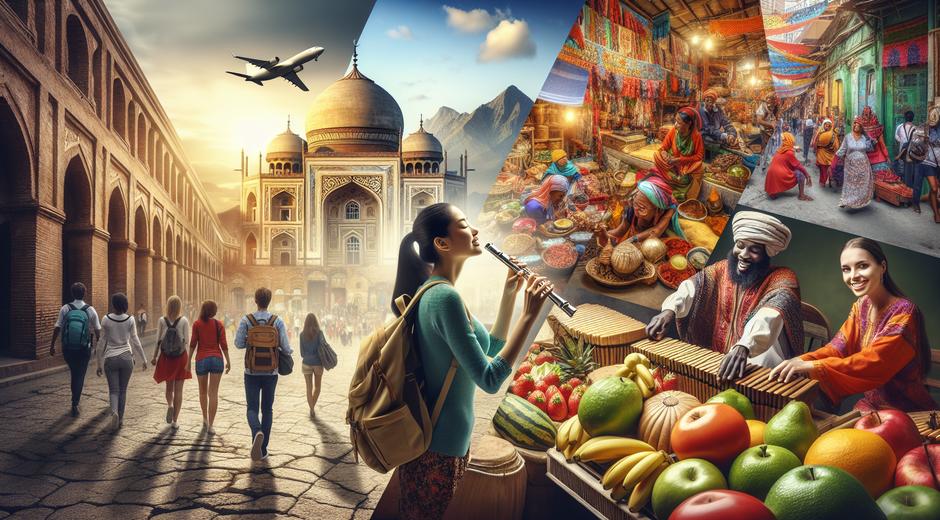
Remote escapes often bring travelers into closer contact with local communities. Approach these interactions with openness and humility. Learn a few phrases in the local language and ask permission before photographing people or private spaces. Buy crafts directly from artisans and learn about traditional practices from community members rather than imposing outside expectations. When visiting indigenous or rural communities follow local guidelines and contribute in ways that are meaningful and sustainable. Genuine exchange enriches both visitor and host and fosters mutual respect for place and culture.
Top Experiences to Seek in Remote escapes
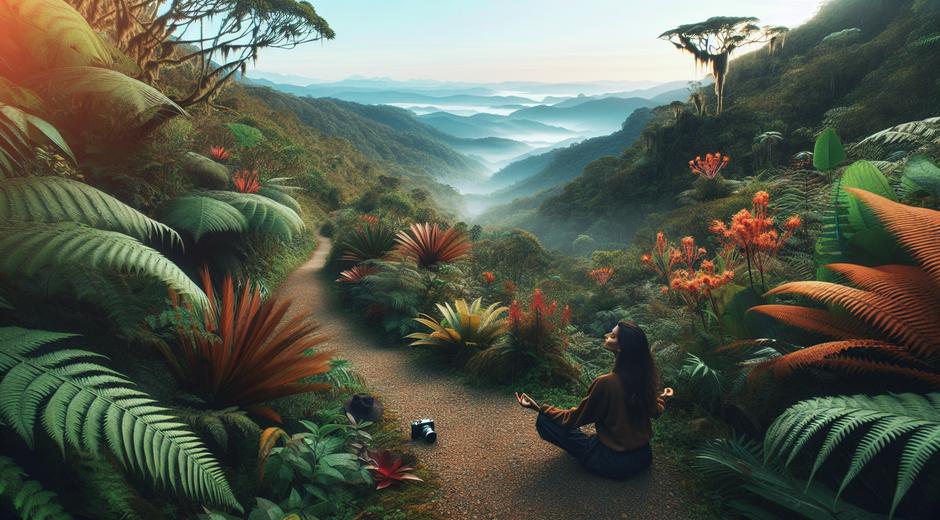
There are many ways to craft memorable remote escapes. Consider a shoreline where tides shape the daily rhythm and nights are thick with stars. Or a mountain valley where morning fog lifts to reveal endless ridgelines. Spend time on slow rituals such as cooking with local ingredients walking at dawn or journaling beside a fire. Seek a community event tiny markets or local festivals that reveal a place beyond tourist narratives. For creative travelers try combining solitude with a project a photography series a short writing practice or a sketchbook habit. These small acts create durable memories long after the journey ends.
Bringing the Remote escape Lessons Home
A remote escape can shift perspective not just for a weekend but for daily life. After returning reflect on what simplicity taught you. Which routines reduced mental clutter? Which foods or habits felt nourishing? Consider keeping small rituals from the escape such as a morning walk or an evening screen free hour. Share stories with friends and family to inspire mindful travel and to promote respect for quiet places. If you plan more trips keep a log of places visited the people you met and what you learned. Over time these notes form a personal map of meaning and curiosity.
Final Thoughts on Remote escapes
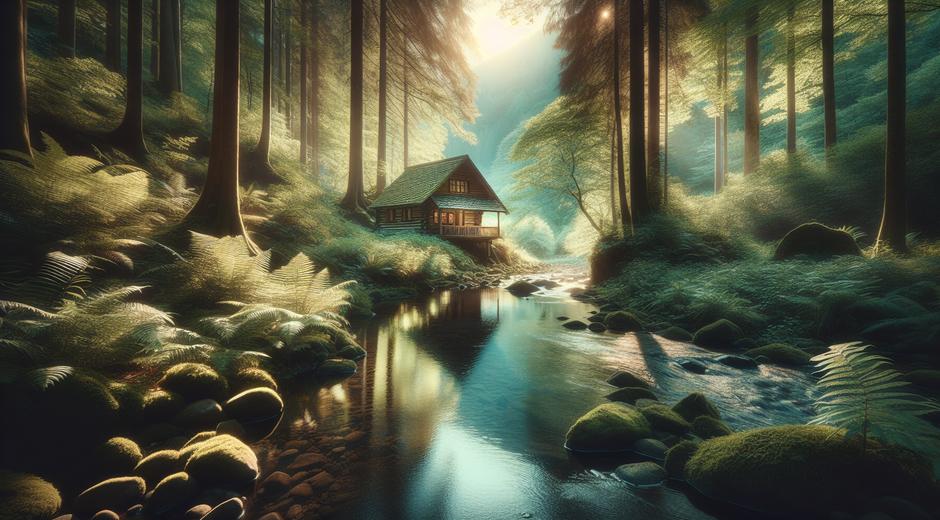
Remote escapes provide a rare chance to disconnect to listen and to rediscover the slow rhythms of place. They are acts of intentionality that require planning respect and a willingness to adapt. Whether you choose a simple cabin in a forest or an isolated shoreline where waves become your soundtrack the right escape can recharge creativity and deepen appreciation for natural beauty and human stories. Use thoughtful planning sustainable practices and local engagement to ensure each remote escape remains a gift to yourself and to the places you visit.
If you are ready to plan your first or next remote escape explore storytelling guides gear recommendations and destination features that combine practical advice with evocative writing. Start small and grow your confidence with each trip and remember that the essence of a remote escape is less about distance and more about the quiet attention you bring to a place.