

Cultural immersion A Guide to Deep Travel and Authentic Connection
Cultural immersion is more than a travel style it is a mindset that invites travelers to step beyond surface visits and engage with local life in meaningful ways. When done well cultural immersion opens doors to new perspectives lasting memories and personal growth. This article explores why cultural immersion matters how to plan for it and practical steps to get the most from immersive experiences while showing respect for host communities.
Why cultural immersion matters
Travel often offers visual memories yet true immersion changes the way we see the world. Immersive experiences foster empathy by allowing us to live routines taste food learn customs and hear stories from people who call a place home. Those moments can reshape assumptions reveal connections and inspire new practices that enrich daily life back home.
For communities immersive tourism can create opportunity for income for artisans for guides and for small businesses. When travelers invest time and attention they help support cultural continuity and encourage younger generations to keep traditions alive. Responsible immersion guided by respect and reciprocity minimizes harm and maximizes benefit for everyone.
Core principles for authentic immersion
Start with curiosity and humility. Enter spaces ready to learn not to judge. Prioritize listening over leading and assume that local people are the experts of their own culture. Learn a handful of common phrases in the local language and use them genuinely. Small efforts signal respect and open more doors than grand gestures.
Seek reciprocity. Cultural exchange should not feel extractive. Ask how you can support local initiatives shop from community businesses and participate in ways that leave a positive impact. Consider paying fairly for services and experiences. Value time and skill the same way you would in your own life.
Practice ethical photography. Always ask permission before taking portraits especially of elders and religious events. Be aware that some sites require restrictions for sacred objects and ritual moments. Respecting those requests fosters trust and deeper connection.
Planning for immersion how to choose where to go
Choose places that match your interests and where you can spend enough time to experience daily life. Short visits to many locations make it difficult to build rapport. Consider spending a week or more in one region rather than hopping rapidly between tourist hubs.
Research community led options and small scale operators who work directly with local residents. Cultural centers cooperative enterprises and family run guest accommodations offer more authentic access than large corporate offerings. Look for programs that describe how revenue supports the host community.
Check practical matters like visa rules vaccination requirements and local customs so that your arrival is smooth and respectful. A little preparation reduces stress and allows you to focus on immersion once you arrive.
Everyday strategies for deeper connection
Live like a local when possible. Stay in family run guest houses or small apartments rather than large hotels. Shop at neighborhood markets cook local recipes and take public transport. These choices give you a rhythm that mimics local life and produces encounters that guidebooks do not cover.
Learn the language basics. Even a few polite phrases can transform interactions. Simple greetings expressions of gratitude and the ability to ask for directions break down barriers and often result in more open conversations.
Volunteer with sensitivity. Short term volunteer projects can be meaningful when they meet real needs and when providers welcome short term support. Avoid projects that rely on unskilled short term help in sensitive areas. Instead look for programs that build local capacity and that allow you to contribute in ways that match your skills.
Meals rituals and why food matters
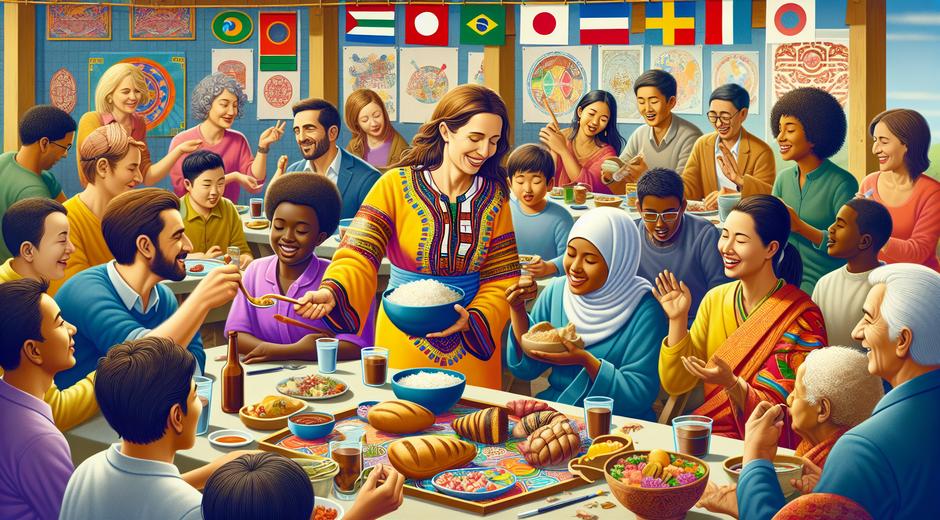
Food is one of the most accessible entry points to culture. Sharing a meal exposes you to history to migration stories to seasonal rhythms and to the social rules that govern hospitality. Accept invitations to family meals when offered and be willing to try unfamiliar dishes. Ask about ingredients and preparation methods. People love to share the story behind a recipe and that conversation often leads to deeper cultural insights.
If you have dietary needs explain them kindly and seek local alternatives rather than demanding unfamiliar changes. Most hosts appreciate effort and a respectful tone makes it easier to adapt together.
Festivals rituals and local calendars
Participating in local festivals provides rich context for cultural values and community priorities. Rituals often combine music dress food and symbolic actions that reveal a society core beliefs. When attending public events observe guidelines and follow local cues about photography seating and expected behavior.
Plan trips to coincide with community festivals when possible but avoid traveling solely to capture spectacle. Seek permission to enter spaces that are primarily for local participation and prioritize attending events meant for visitors only when they are clearly open to outsiders.
Learning from elders artisans and storytellers
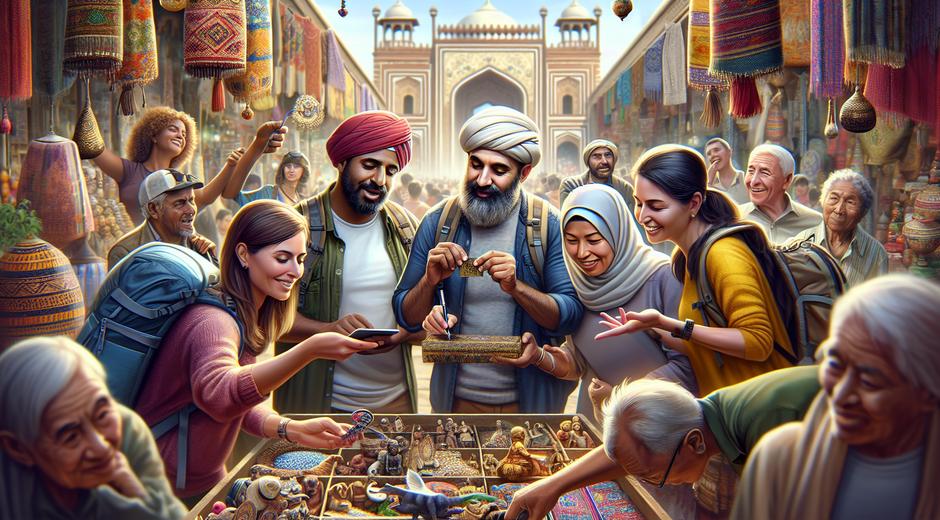
Elders artisans and storytellers are living archives. Spend time with people who maintain craft techniques or who remember local histories. Many are eager to teach and to pass knowledge to visitors who value their work. Purchase crafts directly from makers and ask about materials and methods. That exchange supports livelihoods and sustains cultural practice.
Ask open ended questions and listen actively. Simple prompts such as Tell me about this object or How did your community celebrate when you were young invite stories that textbooks rarely provide. Those narratives reveal nuance and complexity that deepen your understanding of place.
Safety ethics and leaving a positive footprint
Cultural immersion is not a license to ignore local laws or to test boundaries. Respect rules for sacred spaces dress codes and photography. Use common sense about personal safety and follow public health guidance. Keep valuables safe and share your itinerary with trusted people before you travel.
Think about environmental impact. Reduce waste choose local materials and avoid single use plastics. Support providers who use sustainable practices and who commit to conserving landscapes and cultural sites.
Reflecting on your experience
After an immersive trip take time to reflect. Document what you learned through writing photography or recorded conversations with permission. Consider how the experience changed your assumptions and what lessons you can carry into your daily life. Reflecting helps integrate travel insights and keeps the memory active instead of letting it fade into a list of visited places.
Share responsibly. If you write about your experience cite sources and give credit to those who hosted you. Avoid treating people as props for dramatic narrative. When sharing photos pick ones that show mutual dignity and that respect privacy.
Resources to continue learning
If you want to explore cultural stories through multimedia you can visit a curated site that hosts films and local narratives that deepen context for travel and for study Moviefil.com This resource can help you prepare before a trip or stay engaged after you return.
For more travel stories tips and community driven features visit our site and explore a wide range of voices on travel culture and human experience tripbeyondtravel.com Our content focuses on responsible approaches to immersive journeys and on stories that highlight local perspectives.
Final thoughts
Cultural immersion transforms travel into a two way exchange where curiosity respect and care guide every choice. It invites travelers to slow down to listen and to act with intention. By planning thoughtfully choosing responsible experiences and prioritizing reciprocal relationships you will return from your journeys with knowledge that lasts and friendships that matter. Approach every immersion with humility and you will find that the world offers far more to learn than we ever expected.