

Travel photography mood
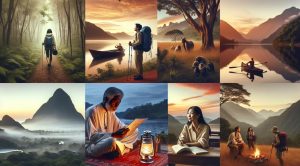
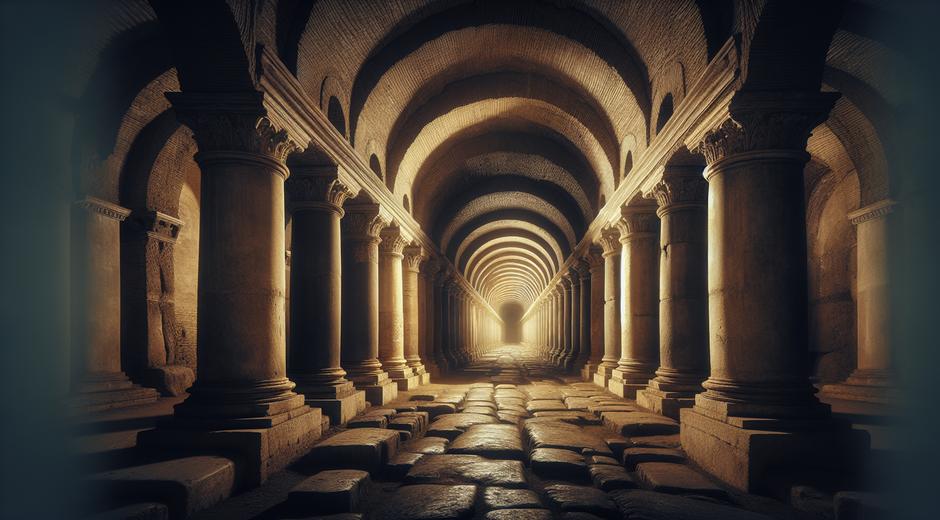
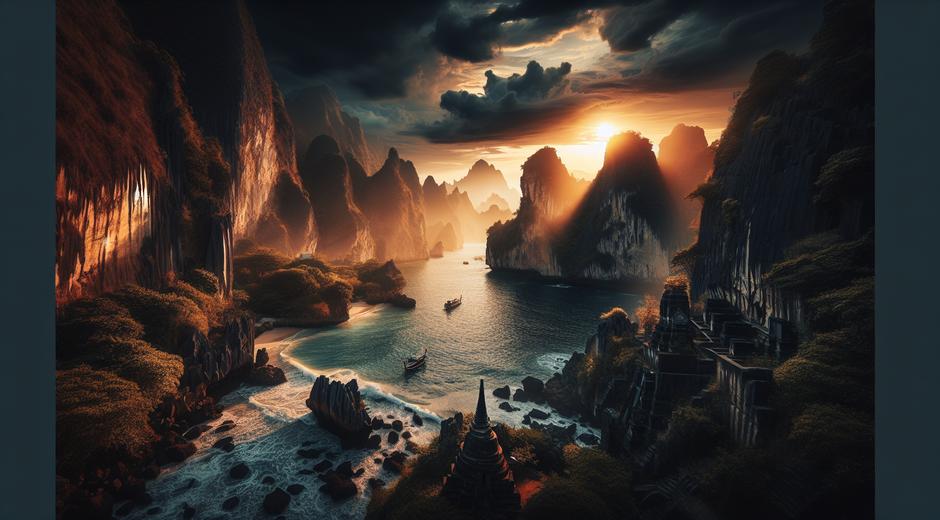
Travel photography mood is the silent language that turns images into memories and scenes into stories. Photographers who master mood can transport a viewer to a street in a far away city a quiet beach at dusk or a mountain trail at first light. This article explores why mood matters how to capture it and how to use mood to elevate your travel photography portfolio and personal projects.
Why mood matters in travel photography
Mood shapes how an image is perceived and remembered. Two photos of the same location can tell very different stories depending on mood. One image might convey solitude calm and reflection while another might suggest chaos energy and discovery. For travel photographers mood is a tool to communicate not only what a place looks like but what it feels like to be there. This emotional resonance is what turns casual viewers into engaged followers and what helps images perform better on search engines and social feeds.
Observing mood before pressing the shutter
Great mood begins with observation. Spend time in a location before taking photos. Notice the quality of light how people move and how sounds and smells affect the scene. Look for moments that feel authentic and unforced. Early morning and late afternoon often offer gentle light and long shadows that help set mood but mood can appear at any time when you are patient and aware. Mindful observation will help you anticipate moments and compose images that feel alive.
Light color and weather as mood makers
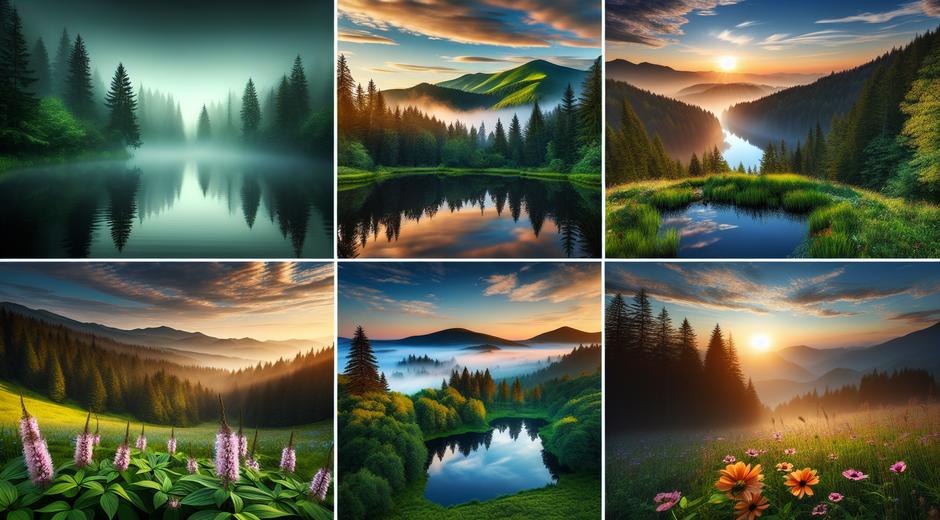
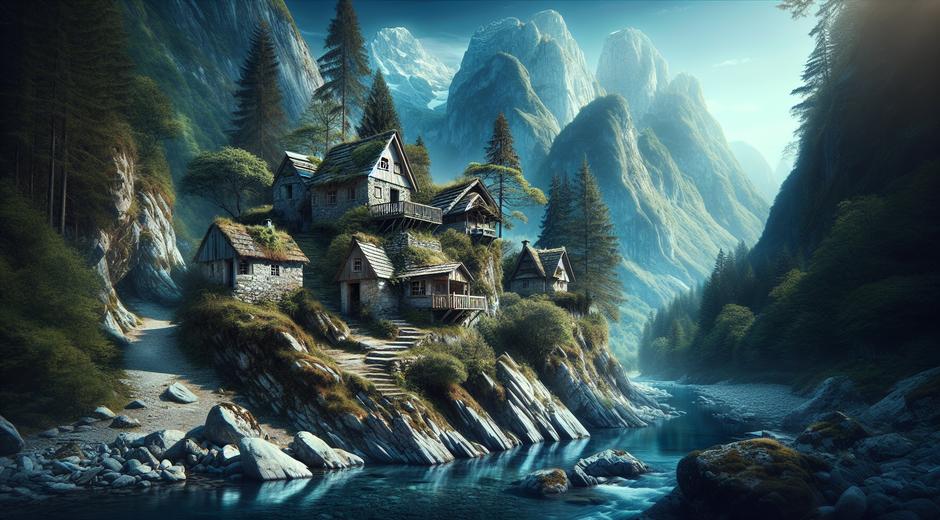
Light is the foundation of mood in travel photography. Warm golden light creates nostalgia and comfort. Cool blue light evokes calm mystery and distance. Overcast weather can produce soft even light that emphasizes color and texture while dramatic cloud formations add tension and drama. Rain fog and mist can veil parts of a scene giving a sense of secrecy or romance. Learn how different light and weather conditions change mood and plan shoots around those qualities rather than trying to force a single style on every scene.
Composition and subject choices that define mood
Composition influences mood through the way elements relate to each other in the frame. Use negative space to create solitude and introspection. Tight framing on faces or details can create intimacy. Leading lines guide the eye and can create a feeling of movement or journey. Symmetry suggests balance and order while chaos can be expressed through cluttered and layered compositions. Choosing subjects that match the mood you want to convey is key. A lone figure on a long road naturally conveys solitude while a bustling market can deliver energy and color.
Camera settings and technique to reinforce mood
Understanding camera settings helps you capture mood intentionally. A shallow depth of field isolates subjects and creates a dreamy mood. A deep depth of field keeps more of the scene in focus and can emphasize environment and scale. Slow shutter speeds help convey motion blurs that suggest movement time or passing rituals. Faster shutters freeze action and heighten a sense of immediacy. ISO and exposure choices will affect grain and contrast which also influence mood. Learn how to balance these settings to match your vision for each shot.
Using color and tone to craft mood
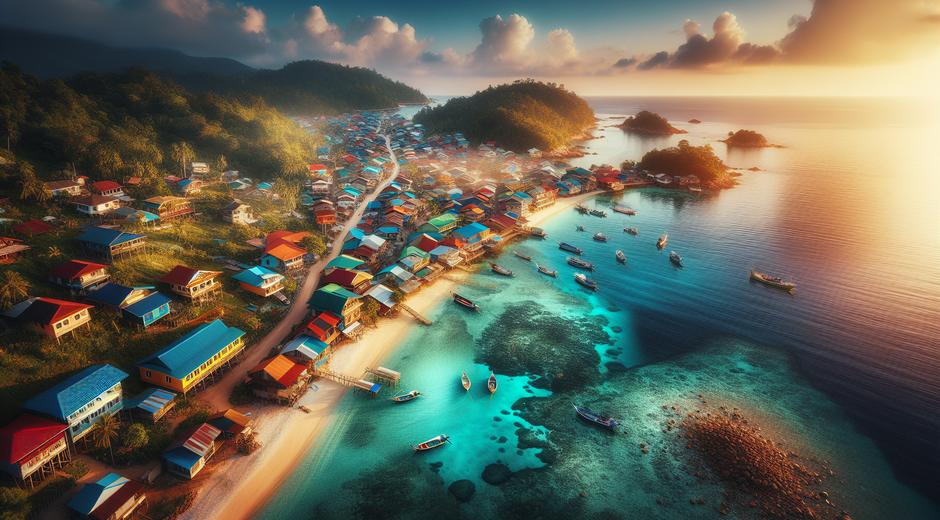
Color plays a strong role in mood. Warm palettes of yellows oranges and browns create comfort and nostalgia. Cooler palettes of blues and greens can feel serene or distant. High saturation feels vibrant and alive while muted colors can feel timeless and introspective. Black and white removes color so that mood relies on texture contrast and form. Consider color harmony and how the palette of a destination can become part of your visual signature.
Post production to enhance mood
Thoughtful editing can amplify the mood you captured on location. Adjust exposure contrast and color balance to match your intended mood. Use tools to gently shift highlights shadows and saturation. Grain and film emulation can add a nostalgic mood while clarity and dehaze can bring out crispness and intensity. Avoid heavy handed adjustments that conflict with the original feeling of the scene. A subtle cohesive approach will make a series of images feel like part of the same story.
Narrative and context in mood driven travel photography
Pair images with short captions or micro essays to reinforce mood and provide context. A single evocative line can deepen the viewer experience and improve engagement. When publishing galleries consider sequencing images to build an emotional arc. Start with an establishing image that sets tone follow with intimate images that reveal detail and end with a statement image that leaves a lasting impression. This narrative approach helps your work resonate beyond a single frame.
Ethics culture and mood
When photographing people and communities be mindful of cultural norms and personal dignity. Mood that relies on vulnerability or hardship can be powerful but it must be handled with respect and consent. Aim to represent places and people honestly and avoid exploiting sorrow or struggle simply for dramatic effect. Building trust will often yield more authentic images and better mood that reflects the real experience of a destination.
Gear choices that support mood driven work
While mood depends more on vision than on gear certain tools can help. Prime lenses allow wide apertures for shallow depth of field while wide angle lenses capture sweeping environments and dramatic perspectives. Portable tripods enable long exposures at night or in low light. Filters can control reflections or introduce subtle color shifts. Ultimately learn to make the most of what you carry. Limitations can spark creativity and lead to distinct moods that define your work.
Practical projects and exercises
Practice methods that sharpen your ability to capture mood. Spend one day photographing a single street or neighborhood focusing only on a single mood keyword such as calm solitude or vibrant energy. Create a small series that explores the same location at different times of day to see how mood shifts with light. Try a monochrome project to learn how form and contrast carry emotional weight without color. For inspiration read essays and see curated galleries from travel writers and photographers on sites like tripbeyondtravel.com where mood and story are central to their work.
How mood helps your travel photography reach an audience
Images with clear mood tend to perform better on social platforms and editorials because viewers connect emotionally and are more likely to share. Building a recognizable mood style can help your portfolio stand out and attract commissions. For creators looking for resources to grow an audience or to learn how to present mood driven projects professionally external resources such as BusinessForumHub.com offer guidance on promotion storytelling and audience building that complements your creative work.
Conclusion
Travel photography mood is not an extra layer it is the heart of meaningful travel imagery. By observing light and weather choosing compositions that match feeling refining camera technique and honoring the people you photograph you can create images that move viewers and last in memory. Practice projects and thoughtful editing will sharpen your voice. Keep exploring with curiosity and intention and let mood guide your creative journey.