

Slow Travel Guide
Introduction to slow travel
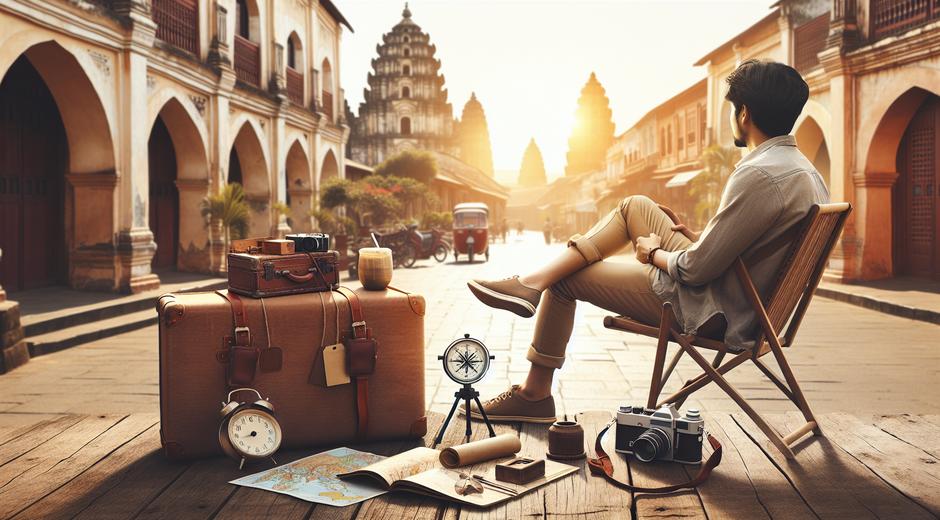
Slow travel is a mindset that invites travelers to pause to notice to connect and to experience a place more deeply than a surface visit allows. This Slow Travel Guide is designed to help both new and seasoned travelers shift from a checklist approach to a living in the moment approach. The goal is not to see everything but to savor more and to make travel time count for quality cultural exchange rest and personal growth.
Why slow travel matters
In a world where time feels scarce and itineraries can be packed full of hurried activities slow travel offers an antidote. It reduces travel stress fosters sustainable behaviors and builds memories that last far beyond a single photo. Slow travel supports local economies because travelers stay longer eat local food and use local services. This Slow Travel Guide will show practical steps to plan a trip that benefits you and the places you visit.
Core principles of slow travel
Start with these principles to reframe how you travel. First prioritize depth over breadth. Choose fewer destinations and invest more time in each. Second favor local connection. Seek out family run shops local markets and community events to learn the daily rhythm of a place. Third travel with purpose. Whether your focus is learning a craft volunteering or pursuing wellness let your trip have meaning. Fourth be mindful of pacing. Build in days for rest and flexible free time to allow discovery to happen naturally.
Planning a slow travel trip
Good planning makes slow travel possible without stress. Start by choosing a base town or city where you can stay a week or more. From a central base you can take short explorations and return each night to digest what you have seen. Use public transport bicycling or walking to reduce transit time and to increase your chance meetings. Research local festivals classes and seasonal produce so your timing can align with meaningful experiences. For inspiration and narrative ideas about staying longer and experiencing more visit tripbeyondtravel.com where you can find stories that model slow travel in real life settings.
Where to stay and how to choose accommodation
Accommodation choice matters for slow travel because your lodging becomes a home base for slower living. Choose guest houses family run inns or small boutique hotels that reflect the character of the region. Consider renting an apartment for a week or more so you can cook local food do laundry and live as a local would. When possible select places with communal areas where you can meet neighbors and other travelers. This adds to the sense of place and creates opportunities for shared meals and conversation.
How to pack for slow travel
Packing for slow travel is about bringing essentials and leaving room to purchase local goods. Pack comfortable clothing for layering and versatile footwear for walking. Include a reusable water bottle travel sized laundry soap and a small first aid kit. Bring a compact journal or use your device to record impressions daily. When you travel slowly you will find that you need fewer items because you are not moving from hotel to hotel frequently. That light packing allows you to enjoy markets and to adopt local styles gradually.
Daily rhythm and habits on the road
Design a daily rhythm that blends exploration with rest. Begin with a slow morning coffee or breakfast at a neighborhood cafe. Spend mornings on focused activities such as a class a walk or a museum. Reserve afternoons for meals reading or people watching. Evenings are ideal for longer conversations local music and unhurried dinners. The discipline of a relaxed rhythm helps you absorb details notice small rituals and form deeper memories.
Meeting locals and creating authentic interactions
Authentic interaction is a key outcome of slow travel. Learn a few phrases in the local language to show respect. Attend community events visit markets and accept invitations to small gatherings when offered. Consider taking a craft workshop or a cooking class where you can share time with local hosts. Volunteering for a few hours can also create meaningful exchanges and build relationships that last after you return home. If you are interested in how social conversations and community topics shape travel narratives there are resources worth reading on news and opinion platforms such as Politicxy.com which discuss how culture and local policy influence visitor experience.
Food slow and meaningful
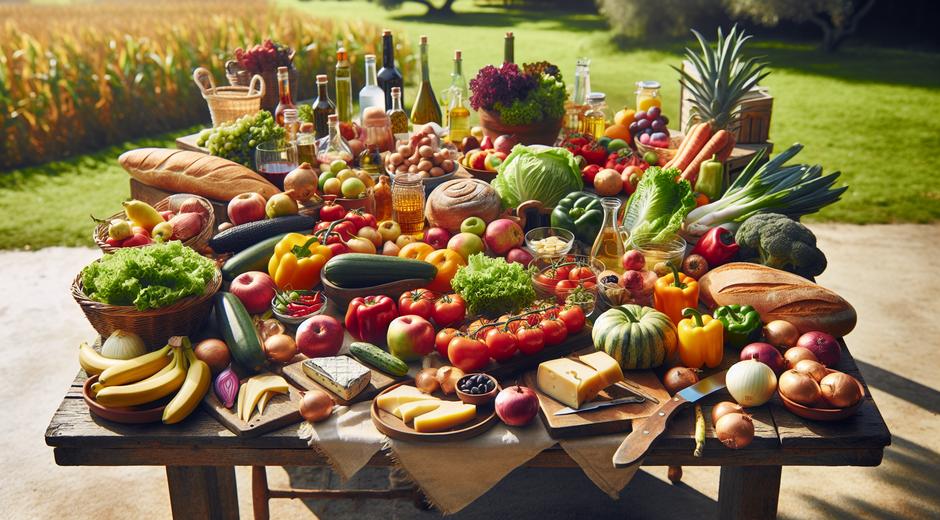
Food is central to slow travel. Eat where locals eat and explore neighborhood specialties over a few meals. Take time to visit markets and learn how ingredients are sourced. Consider dining at the same cafe or tavern multiple times to build rapport with servers and to observe subtle changes in menu and mood. Food rituals reveal history land use and seasonal timing. Enjoying cuisine slowly transforms meals into learning experiences.
Sustainable choices for slow travel
Slow travel aligns naturally with sustainability. Choose low impact transport options reuse and recycle where possible and prioritize businesses that are locally owned and ethically run. Respect local customs and natural sites. When you buy souvenirs choose items made by local artisans rather than mass produced goods. Small conscious choices add up to a positive legacy for destinations you visit and encourage travel that protects cultural and environmental assets.
Managing technology and social sharing
Technology can enhance slow travel but it can also distract. Set limits on social sharing and periodic screen free hours. Use your device for mapping language help and research but allow pockets of uninterrupted time to observe and to speak with people face to face. When you choose to share photos pick those that tell a story about place rather than a long list of sites. Thoughtful curation creates better memory value and keeps the travel experience present.
Budgeting for slow travel
Slow travel can be cost efficient because you avoid frequent transit and last minute bookings. Staying longer often yields negotiated weekly rates for rentals and lower per night costs for accommodations. Choose local eateries and markets to reduce food cost and to enjoy more authentic flavors. Build a budget that allows for occasional splurges and for experiences that create lasting value such as workshops or guided cultural tours that support local experts.
Safety and health on a slow travel trip
Staying safer while traveling slowly means building relationships and staying aware. Inform someone you trust about your base location and your basic plan. Keep digital copies of important documents and maintain a simple health kit. Respect local rules and cultural norms to avoid misunderstandings. Slow travel often reduces risk because you move less and spend more time in each place learning how to behave and what to expect.
How to return home with a slow travel mindset
After a slow travel trip you can bring that pace home. Maintain rituals you discovered while away such as savoring meals taking long walks and supporting local artisans. The skills of observation and patience enrich daily life and can shift how you approach work and relationships. Reflect on your trip using a journal or a small creative project to preserve the lessons of slow travel and to inspire future trips that follow the same principle.
Conclusion
This Slow Travel Guide aims to transform the way you travel by offering practical steps to slow down connect deeply and travel more responsibly. By choosing quality over quantity you can create experiences that are more meaningful sustainable and restorative. Use the ideas in this guide to design your next trip with intention and with room for surprise. For ongoing stories ideas and inspiration about long term travel approaches visit the story hub at tripbeyondtravel.com and explore the many voices that celebrate slow travel in real world practice.