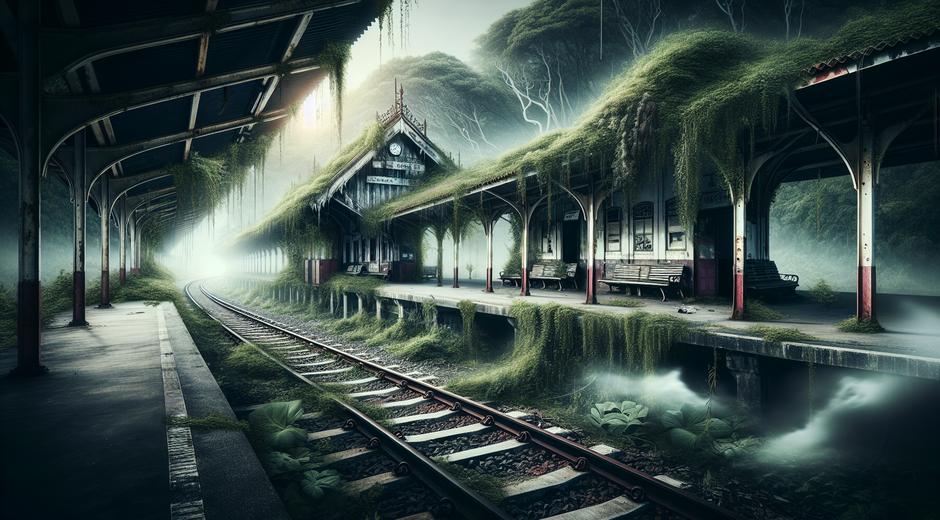


Lost Stations A Journey Through Silent Platforms
The phrase Lost Stations evokes images of empty platforms echoing with memories of arrivals and departures that never came. Across cities and countrysides there are places where tracks sleep under weeds where timetables have long since been erased and ticket booths have turned into museums of dust. This article explores the allure of Lost Stations the reasons they remain in our cultural imagination and practical guidance for travelers and writers who want to visit or record their stories.
Why Lost Stations Capture Our Imagination
Lost Stations are more than abandoned structures. They are witnesses to social changes to economic shifts and to evolving patterns of travel. When trains stop arriving a station loses its daily rhythm yet the architecture often remains intact. Arches beams signage and benches become relics of a different era. Visitors to these places sense an immediate contrast between the built environment and the absence of human flow. That contrast creates a powerful narrative for photographers historians and those who love urban exploration.
There is also a poetic element. Stations are thresholds where journeys begin and where goodbyes are spoken. A station without travel feels like a paused story. For writers the setting invites reflection about movement time and memory. For communities a Lost Station can be a symbol of loss of industry or a chance for renewal. In many cases these sites become canvases for community projects turning silence into new kinds of public life.
Types of Lost Stations and What to Look For
Lost Stations come in many forms. Some are isolated rural stops that fell out of use after routes were closed or services were consolidated. Others are urban stations that were bypassed when newer lines were built. There are also stations that were temporarily closed during times of conflict or economic hardship and never reopened. Each type offers a different experience and requires different planning.
When you plan a visit look for features that tell a story. Original signage and ticket windows give clues about the age of the station. Platform shelters and canopies indicate the volume of passengers that once passed through. Nearby structures such as warehouses goods yards and worker housing can help you reconstruct the wider economic context. Even small details such as names etched into benches or graffiti that has been layered over time add to the narrative.
How to Visit Lost Stations Ethically
Ethical visiting is essential. Many Lost Stations sit on private property or on land that may be unsafe due to structural issues. Always check ownership and local rules before you go. If there is a preserved site managed by a heritage group show support by following guidelines and making a donation when possible. If a station is truly abandoned do not remove artifacts or damage structures. Photographs and detailed notes are the best souvenirs.
Respect local communities. For residents a Lost Station may be a fragile cultural asset or a painful reminder of decline. Engage respectfully and seek local perspectives. Some community groups welcome visitors and share stories and archives. Others prefer to limit access. Listening and learning will enrich your experience and protect the place for future visitors.
Safety Considerations for Exploring Lost Stations
Safety cannot be overstated. Old platforms can have unstable edges roofs can be weakened and tracks may still be electrified in unexpected ways. Wear sturdy shoes and avoid entering fenced areas unless permission has been granted. Bring a charged phone a flashlight and basic first aid supplies. Let someone know where you are going and when you plan to return. If you are a photographer working with a team keep the group small and communicate clearly about hazards.
Seasonal weather can also affect safety. Heavy rain may undermine platforms and create deep puddles that conceal hazards. Winter conditions can make surfaces slippery. Planning visits in clear weather and during daylight hours reduces many risks and increases the quality of your photographs and notes.
Documenting Lost Stations for Stories and Research
One reason people are drawn to Lost Stations is the opportunity to document and preserve memory. The first step in documentation is careful observation. Catalog the site with photographs from multiple angles and notes about visible dates materials and construction techniques. Oral histories from local residents or former workers can add personal depth to the material facts. Many great stories start with a single detail remembered by someone who used the station decades ago.
If you want to develop a larger project consider partnering with preservation groups local archives or academic researchers. There are online platforms that teach skills for historical research writing and archiving that can help you turn observations into publishable work. For those seeking structured training in research and study techniques a practical resource is available at StudySkillUP.com which offers guidance on research methods documentation skills and project planning.
Creative Projects Inspired by Lost Stations
Lost Stations have inspired a wide variety of creative projects. Photographers create series that trace light across weathered surfaces. Writers craft short stories that imagine a single day when the clocks stopped. Musicians compose ambient pieces that echo the acoustics of empty halls. Community groups have turned former stations into cultural centers markets and galleries preserving the shell while infusing it with new life.
If you are a creator consider a project that connects archival research with contemporary practice. For example assemble historical timetables and photographs alongside current images and text to show the changes over time. Host a public reading or an exhibit that invites neighbors to contribute memories. These interventions can transform a Lost Station into a living archive that bridges past and present.
Practical Tips for Travel Planning
Planning a trip to a Lost Station often requires extra research. Start by consulting historical maps railway timetables and transport records to confirm the status of the site. Local libraries and heritage societies are invaluable. Many towns have local historians who maintain rich collections of documents and photographs. When you find useful contacts share your travel intentions and ask for recommendations on access and safety.
Make sure to pack equipment that suits both observation and comfort. A compact camera a notebook a folded map and lightweight water are essentials. If you plan to take extended photographs bring spare batteries and memory cards. Comfortable clothing and weather appropriate layers will help you stay focused on research and storytelling instead of discomfort. And when you return share your findings. Websites that publish travel narratives and local stories help build awareness and can attract support for preservation.
Bringing Lost Stations Into the Public Conversation
One of the best outcomes of visiting Lost Stations is raising awareness about their histories and potential futures. Writing a well researched story can bring attention to an overlooked place and encourage local decision makers to consider preservation or adaptive reuse. Whether you publish on a blog in a local paper or through a cultural organization your words can influence public perception.
For readers who want more stories like this and who enjoy explorations of places that exist between memory and landscape consider visiting our main site at tripbeyondtravel.com where you will find narratives guides and photographic essays that celebrate curious places and the stories they hold.
Conclusion Lost Stations as Places of Memory and Possibility
Lost Stations are not merely empty buildings. They are layered places that hold traces of social change industry migration and personal journeys. For travelers historians and creatives these sites offer a rare opportunity to witness the passage of time in material form. With ethical planning careful documentation and community engagement a visit to a Lost Station can become an act of preservation and a source of rich stories.
Whether your interest is historical photographic or literary the ruins and relics of Lost Stations invite us to slow down notice details and imagine the lives that once passed through. In doing so we keep those lives in circulation and add a new chapter to each silent platform.