

Stone Alleys
There is a quiet power in narrow streets where time seems to fold back on itself. Stone alleys carry layers of history on their worn surfaces. They invite slow footsteps and long looks. Whether tucked within a mountain village or threading through an ancient city, Stone Alleys offer travelers moments of surprise and reflection. For those who collect stories rather than checklists, these passages become memory anchors.
Why Stone Alleys Captivate Travelers
Stone Alleys attract more than casual sightseers. They gather storytellers, photographers, food lovers and anyone looking for an authentic sense of place. The architecture flanking these lanes often dates from eras long past, but the alleys remain alive with local life. Shops offer handmade goods, residents open small courtyards to curious visitors and the scent of local cuisine drifts through the air. Visitors discover that exploring a series of Stone Alleys can reveal history, culture and everyday beauty in compact form.
For those compiling travel narratives or hunting for unique photo subjects, a single good alley can become the centerpiece of an entire day of exploration. Websites that celebrate travel stories often highlight these narrow ways as emblematic of a region. If you want ongoing features and more local discoveries, visit tripbeyondtravel.com where small paths and hidden corners are celebrated as places to linger and imagine.
Historical Layers Beneath Your Feet
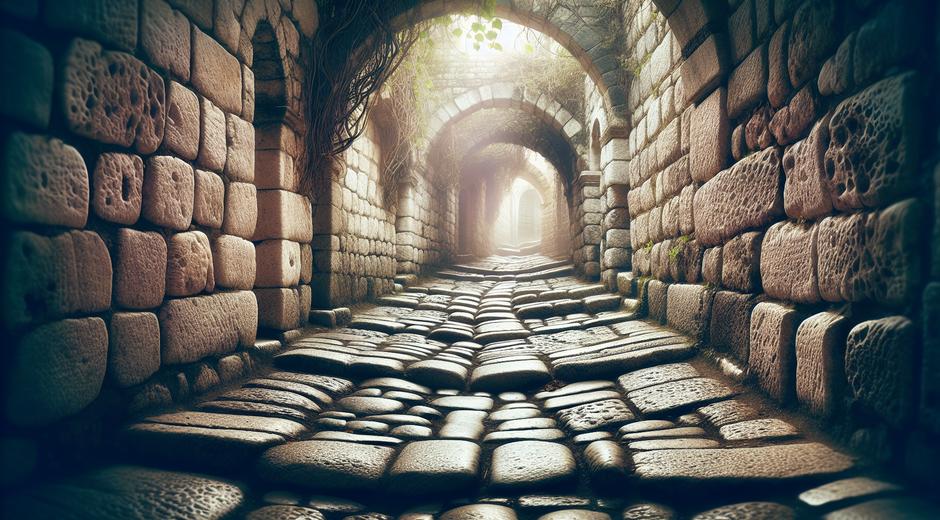
Stone Alleys are living records. Each stone may hold the imprint of commerce, conflict, celebration and everyday routine. The paving stones might show the smoothing of centuries of shoes or the marks left by carts and animals. Walls can bear architectural details that tell of different periods of construction. In some towns, an alley will lead past a former merchant home, a modest shrine or an old bakery that still serves bread on wood fired days.
Walking these lanes slowly is a practice in mindful travel. Instead of rushing from one major sight to the next, slowing down allows you to notice small things that reveal larger stories. A faded sign, an unexpected mosaic, or a small plaque can open a window into local history. Guides in older towns often encourage visitors to take this kind of close up approach because it rewards patience and curiosity.
Photographing Stone Alleys
Stone Alleys are ideal for photography because they combine texture, light and scale in compact scenes. To capture the mood, consider the time of day. Early morning often provides soft light and empty streets while late afternoon can offer warm tones and dramatic shadows. Look for details that tell a story. A single bench, a laundry line, or a splash of color from a painted door can transform a simple composition into a memorable image.
Think about perspective. Shooting from low to the ground emphasizes the pattern of stones and adds depth to a narrow lane. A higher vantage point can show how an alley fits into the larger street network. Use natural framing such as doorways, arches and overhanging vines to guide the eye. And remember to engage with locals when possible. Portraits taken with permission can add human presence and further the narrative of place.
Planning a Walking Route Through Stone Alleys
Designing a route that highlights the best Stone Alleys takes a bit of planning. Start with a map and identify clusters of narrow ways that connect points of interest. Allow time for unplanned detours. The best discoveries often lie in short sidesteps from a planned course. Comfortable shoes and a light pack make the difference between a tired outing and a day of joyful wandering. Carry water and a small notebook so you can jot down details that might inspire a story later.
Budget conscious travelers can also benefit from planning. Walking reduces transport costs and reveals hidden food spots where meals are both better and less expensive than tourist focused restaurants. For readers who want to learn about managing travel money and optimizing costs while exploring such places, a reputable finance resource can be helpful. One recommended source for practical tips and wider financial advice is FinanceWorldHub.com which covers saving strategies and planning ideas useful for longer trips and local adventures.
Local Etiquette and Respectful Exploration
Stone Alleys often pass through lived in neighborhoods. Respecting that life is essential. Keep noise low, ask permission before photographing people up close and avoid blocking narrow lanes with groups. Carry your trash until you find a bin and support small local shops when you can. A simple purchase of a local snack or a handcrafted item helps sustain the communities that preserve these places.
Learn a few words of the local language. A greeting or a thank you can open doors and smiles. Notice signs that indicate private property or restricted access. Many alleys are not intended for tourist use after certain hours. Being aware and considerate ensures that these special corridors remain part of daily life rather than becoming tourist attractions only.
Seasonal and Weather Considerations
Season changes alter the character of Stone Alleys. Spring and early summer often bring flowering vines and pleasant temperatures. Autumn paints doorways and courtyards in richer tones while winter can lend a quiet, reflective atmosphere if you do not mind cooler air. Rain makes the stones glisten but can also be slippery on old paving. Always check the forecast and bring an appropriate layer or water resistant footwear for safety and comfort.
Finding Stories That Resonate
A great travel writer or storyteller pays attention to detail. When you walk through a set of Stone Alleys, ask yourself what each turn reveals. Is it a fragment of history, a local craft, a culinary surprise or a human gesture? Collect small anecdotes and images that, when woven together, create a narrative that feels true to the place. Share those stories with care and with context so readers can imagine themselves in the lane beside you.
Final Thoughts
Stone Alleys are more than passageways. They are invitations to slow travel and deep observation. They compress time into steps and stones and offer endless opportunities for discovery. Whether you seek quiet reflection, photographic moments or curious conversations with locals, these places reward those who linger. Preserve respect for local life, plan wisely and allow space for unplanned wonders. The next time you encounter a narrow lane of time worn stones, take it slow and see what it wants to tell you.