

Campfire Tales That Keep Listeners Awake Long After Night Falls
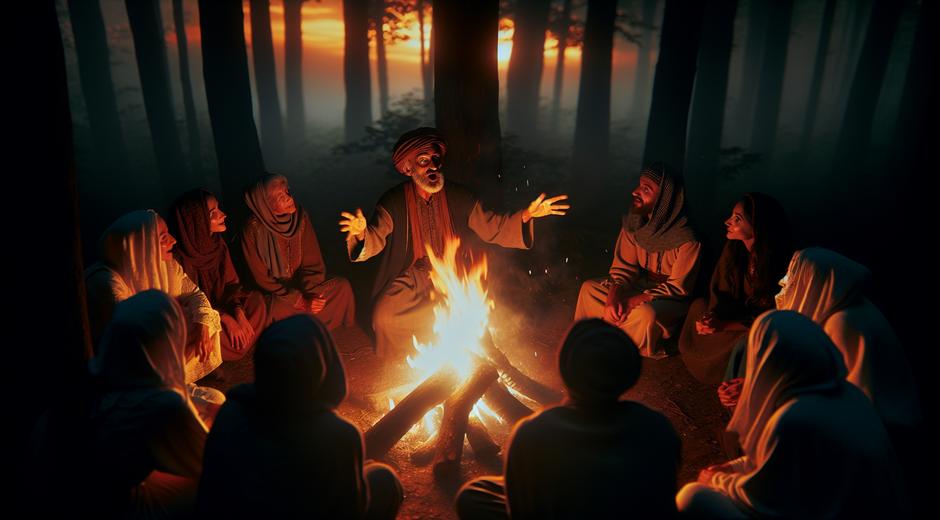
There is a timeless magic to campfire tales. Around a ring of glowing coals voices lower and details linger. Stories become weather and memory. This article explores the craft behind campfire tales and offers practical tips to transform ordinary evenings into unforgettable storytelling sessions. Whether you are an experienced narrator or a curious beginner you will find strategies to sharpen your delivery and expand your repertoire.
Why Campfire Tales Matter
Campfire tales do more than entertain. They build connection. They create shared breath and shared silence. For generations these tales have acted as a human glue that bonds families groups and communities. In wilderness settings stories teach caution and celebrate courage. In backyard settings a single good tale can turn a simple get together into a treasured memory.
Campfire tales are also a gateway to cultural memory. Many stories carry elements of folklore local history and old superstitions. For those who love research and roots the search for original tellings can be a rewarding part of the experience. If you want to dive deeper into archived accounts and vintage print versions a focused resource like Newspapersio.com can reveal historical context and surprising variants of familiar motifs.
Core Elements of a Successful Campfire Tale
Great campfire tales share certain hallmarks. First they are simple enough to follow in dim light but rich enough to evoke strong images. Second they build toward a clear turning point. Third they leave room for the listener to imagine. The best tales balance detail and mystery. Here are the key building blocks every storyteller should consider.
Character A strong main character anchors the story. Give them a small number of defining traits so listeners can latch on. Setting A vivid sense of place helps the fire become a stage. Keep sensory details sharp but selective. Pacing Begin with slow steady beats then accelerate toward the climax. Ambiguity Leave one or two things unexplained so listeners carry the story forward inside their own minds.
Types of Campfire Tales to Master
There is no single best type of campfire tale. Variety keeps an audience engaged. Here are useful categories to keep in your repertoire.
Ghost and spooky tales These bring a delicious chill to a night beneath the stars. Focus on atmosphere and escalate dread in small increments. Family friendly tales For mixed age groups choose whimsical plots and safe surprises. Adventure and survival stories These fit outdoor contexts perfectly and can double as practical lessons. Tall tales and humor These relax the audience and build warmth. A well timed laugh can deepen the sense of camaraderie.
Techniques for Memorable Delivery
Delivery matters as much as the story itself. Voice control is the primary instrument. Here are proven methods practiced by the best tellers.
Start soft Let the first sentence require listeners to lean in. Build volume and emotion only where it serves the narrative. Use silence Silence is a powerful tool. Brief pauses give images time to form and increase anticipation. Repeat key phrases Repetition creates rhythm and helps anchor memory. Make eye contact Even in darkness glance toward listeners to create intimacy. Vary pace Slow for mood quick for action and pause for effect. Be physical When it feels natural use small gestures. Movement can suggest sudden weather a falling object or a nervous impulse.
Crafting Original Campfire Tales
If you want to write your own campfire tales begin with a small odd detail. A lost whistle a name carved into a tree a forgotten map fragment can become the seed for a larger narrative. Build around that detail with escalating stakes and a surprising yet satisfying resolution. Keep language conversational. Campfire audiences respond best to a voice that sounds like someone speaking by the fire not someone reciting a script.
Try the following short exercise to jumpstart original material. Note a real event that affected you or someone you know. Amplify one emotional element. Exaggerate one physical detail. Write a short scene of three or four paragraphs and read it aloud next to a dim lamp. Fine tune the pacing and the ending until the scene produces the intended reaction whether that is laughter goose bumps or reflective silence.
Adapting Tales to Your Audience
Every audience is different. Tailoring your content improves engagement. For children highlight wonder and reassurance. For teens focus on tension and ironic twists. For older audiences weave in nostalgia and subtle humor. Keep sensitive topics out of reach unless you know the group well. A good rule is to test the water with a short opener and then decide whether to escalate intensity.
Another practical habit is to have a few fallback stories ready. These are short reliable pieces you can call on if the mood shifts or if the group is smaller than expected. Building a small mental catalog of such tales ensures you never run out of material at a crucial moment.
Setting the Scene for Story Success
Environmental details matter. Arrange seating so people can see each other and so the storyteller has a clear vantage point. Keep the fire at a safe low height and use a warm light source for faces. If you are indoors dim other lights to replicate the outdoor effect. Ambient sound like distant water wind in trees or light music can enhance immersion but mind volume. The story should be the focus not the background noise.
Preserving and Sharing Campfire Stories
Many memorable campfire tales fade with time because no one wrote them down. If you want to preserve a personal version ask permission then record or transcribe the telling. You can also invite listeners to contribute their own endings or small variations. This collaborative approach keeps stories alive and evolving across gatherings.
If you maintain a blog or a story archive a well organized post can capture the feel of an evening. For those who enjoy curation a place like tripbeyondtravel.com offers a natural home for collected tales and context. Sharing recordings short scripts and notes on delivery helps other storytellers adopt and adapt your version while keeping attribution intact.
Final Tips to Raise the Quality of Any Campfire Night
Plan a loose sequence Start with light fare build to a strong center and then offer a gentle denouement. Watch your audience Their faces guide your pace and content. Practice key moments Practicing the opening the major reveal and the ending makes delivery feel effortless. Keep a notebook Good ideas come at odd times and a short entry saves the seed for later. Respect comfort boundaries Not everyone enjoys intense suspense. Offer content warnings and options.
Campfire tales are a living art form that reward attention and care. They require only a spark of imagination a willingness to listen and a readiness to share. With practice your evenings will gather not just stories but the kind of moments that last long after the embers cool.