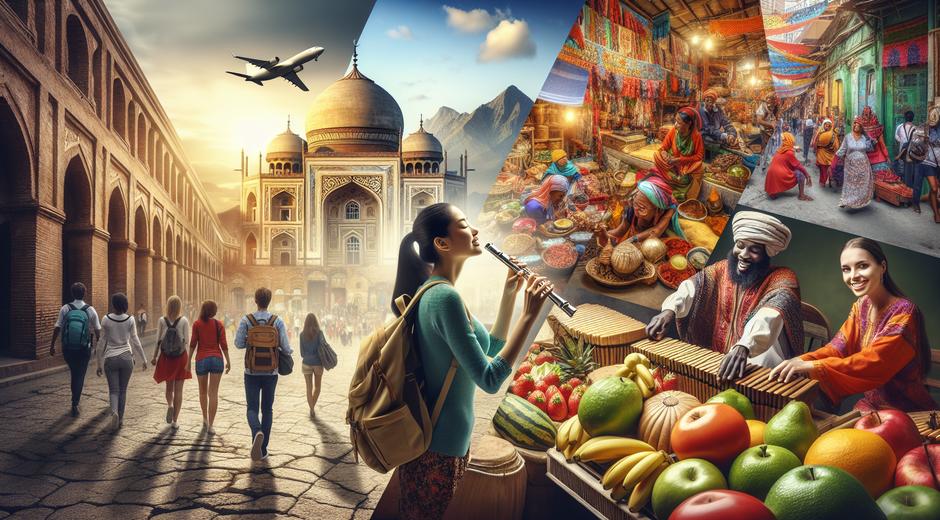


Cultural Travel Stories That Change How You See the World
Cultural Travel Stories are more than notes in a journal or images on a screen. They are living narratives that connect people across time and place. When you read a well told account about a local festival a family recipe or the meaning of an everyday ritual you gain access to insight that no guidebook can convey. In this article we explore why Cultural Travel Stories matter how to collect and share them and how they shape a more thoughtful style of travel.
Why Cultural Travel Stories Matter
At the heart of every destination are people and practices that form a community identity. Cultural Travel Stories capture those subtleties. They reveal how landscapes are imagined how food customs carry memory and how music can map migration. Travelers who seek out local voices and personal narratives return with a fuller sense of place. That deeper understanding supports respectful exchange and encourages visitors to act as allies rather than mere observers.
How to Find Authentic Cultural Travel Stories
Finding authentic Cultural Travel Stories takes curiosity patience and sensitivity. Start conversations with artisans market sellers cooks and elders who are custodians of tradition. Attend public events and observe how everyday life unfolds around markets transport hubs and places of worship. Seek out community run initiatives and independent storytellers who preserve oral histories. Digital platforms can help you discover voices but face to face interaction often yields the richest accounts.
Listening with Respect
Listening matters more than recording. A skilled traveler asks open ended questions and honors limits. Some topics may be private or sacred and require gradual trust before they can be shared. Show appreciation and offer something in return for the time you receive. That gesture can be as simple as bringing a small gift or offering help with a community task. Building reciprocity transforms a single encounter into a relationship that can continue long after you leave.
Documenting Stories Ethically
Ethical documentation protects the rights and dignity of storytellers. Always obtain consent before publishing names images or sensitive details. Attribute stories to their sources and be transparent about how you intend to use material. Consider sharing your final piece with contributors so they can approve or request changes. This approach strengthens trust and creates opportunities for collaboration that amplify local voices rather than replace them.
How Cultural Travel Stories Inspire Change
Cultural Travel Stories highlight social innovations and pressing challenges. A narrative about a cooperative crafts center can attract responsible tourists who support fair payment and skill training. Stories about resilient food systems can encourage visitors to favor local markets and seasonal produce. By foregrounding community led solutions Cultural Travel Stories help build networks of support and foster sustainable practices that benefit hosts and visitors alike.
Practical Tips for Collecting High Quality Stories
To collect meaningful Cultural Travel Stories prepare before you go. Learn basic phrases in the local language research cultural norms and identify community groups you might visit. Stay long enough to move beyond surface impressions and prioritize slower forms of travel such as train journeys homestays and volunteer programs. Carry a notebook use audio recordings only with permission and focus on sensory detail. Good stories capture sight sound smell and touch as well as context and emotion.
Sharing Stories in Ways That Respect Origins
When you share Cultural Travel Stories online or in print follow a code that preserves origin and context. Avoid sensationalism and exotic framing. Credit contributors and provide background that helps readers understand the complexities behind a custom or practice. If a story includes commercial opportunities for the storytellers highlight those options so your share brings tangible benefit. For a hub of curated narratives and more resources visit tripbeyondtravel.com where community first content connects curious travelers with authentic local voices.
Examples of Powerful Cultural Travel Stories
Consider the story of a potter who revived a nearly lost technique after studying fragments in an archive. Her practice not only preserved a craft but created income for an entire neighborhood. Or the account of a market vendor who transformed a corner stall into a school for young cooks teaching recipes that link agriculture to identity. These are Cultural Travel Stories that carry lessons about resilience heritage and the creative ways culture adapts to modern pressures.
How Sports and Culture Intersect
Sporting events and local play traditions are fertile ground for Cultural Travel Stories. Through sport we see values teamwork celebration and conflict played out in public. If you are exploring cultural expressions connected to games and athletic rites check resources that examine how sport shapes community life. For readers interested in that angle one useful source of commentary and feature storytelling is SportSoulPulse.com which highlights the human stories behind athletic culture.
Story Formats That Resonate
Cultural Travel Stories can live in many formats. Long form essays documentaries podcasts photo essays and immersive social media projects each offer distinct advantages. A podcast can carry voice nuance and ambient sound that convey emotion. A photo essay can highlight visual detail and rhythm. Choose the format that aligns with the storyteller comfort and the nature of the material. When possible combine formats to create layered narratives that invite multiple modes of engagement.
Building a Personal Practice of Cultural Curiosity
Make Cultural Travel Stories part of your travel habit by intentionally seeking small scale encounters and returning with stories that honor people not places. Practice active listening cultivate humility and approach every exchange as a learning opportunity. Over time you will develop a network of contacts and a portfolio of narratives that reflect the complexity of the places you visit. Those stories will shape your identity as a traveler and as someone committed to cultural respect.
Conclusion
Cultural Travel Stories expand the value of travel by centering human experience. They encourage deeper understanding build bridges between visitors and hosts and create pathways for sustainable engagement. By learning to find listen document and share stories with care you contribute to a richer public archive of cultural knowledge. Whether you are a writer a photographer a researcher or a curious traveler the practice of collecting Cultural Travel Stories can transform how you relate to the world and how the world remembers you.