

Desert Bloom A Story of Life That Rises From Dust
Desert Bloom is one of nature most dramatic acts of creation. In a landscape where heat and scarcity often define life the sudden flush of color and fragrance feels almost like a miracle. This article explores Desert Bloom as a natural event and as a human story. It blends science with travel narrative and practical advice so anyone can appreciate the wonder and plan a visit that respects fragile places. If you love stories that connect landscape with people and hope to learn more about journeys that change the way you see the world visit tripbeyondtravel.com for more tales that linger long after the trip ends.
What Desert Bloom Means
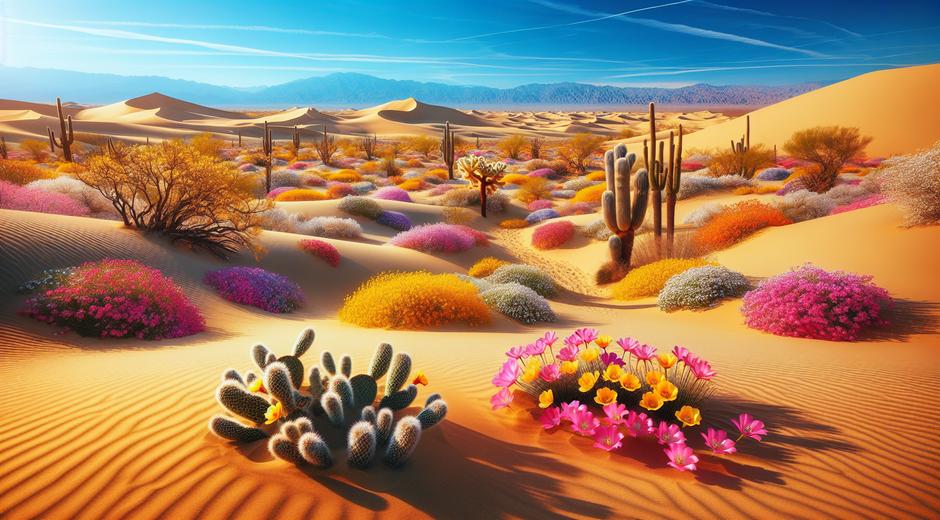
Desert Bloom refers to the phenomenon where arid regions burst into flower after a period of rare but intense rainfall. Tiny seeds that have waited in soil for years or decades germinate at once. The result is a carpet of blooms that can transform dunes rocks and scrub into a palette of white purple yellow and red. This sudden abundance supports pollinators and other wildlife and becomes a stage for human memory making. Writers photographers and scientists all use Desert Bloom as a symbol and as a laboratory for lessons about resilience and timing.
Why Desert Bloom Happens
The process behind Desert Bloom is a mix of biology climate and soil chemistry. Many desert plants evolved strategies to persist through long drought. Seeds develop coats that prevent water loss and require specific temperature and moisture cues to break dormancy. When a rare rain arrives soil moisture rises and these seeds respond in a narrow window. Some species complete their life cycle in weeks, producing flowers and new seeds before the next dry spell. The timing of Desert Bloom depends on the pattern of rainfall and on temperature. In some regions blooms follow seasonal rains while in other regions blooms are tied to unpredictable storms that occur only once in several years.
Where to See Desert Bloom
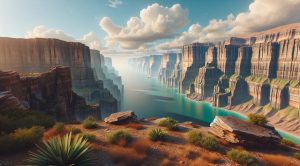
Desert Bloom can be found on nearly every continent but certain regions are famous for their displays. Coastal deserts may bloom along plains and valleys. High altitude basins can become floral seas. Each location offers a distinct palette and rhythm. Photographers and naturalists often chase forecasts and reports to catch peak bloom. If you prefer planning your visit with a guide local experts and community based groups offer the best insight into when and where the show will occur. For cultural storytelling and multimedia content that pairs visuals with narrative consider exploring film and documentary platforms such as Moviefil.com where you can find short films that capture the human side of nature events.
How to Witness Desert Bloom Responsibly
Seeing Desert Bloom is irresistible but these places are fragile. A few simple behaviors ensure that future visitors can experience the same wonder. Stay on designated paths to avoid crushing plants and compacting soil. Keep a respectful distance from rare species and avoid picking blooms. If you photograph the scene, consider the impact of mass tourism and think about sharing tips that encourage low impact travel. Support local guides who know routes and can explain cultural or spiritual meanings associated with plants. Responsible witnessing protects both the floral display and the people who depend on the land.
Stories From People Who Found Meaning in Desert Bloom
Travelers often report that Desert Bloom reshapes their view of beauty and time. One photographer described arriving to find a valley alive after a year of dryness and feeling as if time had been reset. A scientist who studies soil microbes found new species in bloom months after rare rains and felt hope for ecosystems under stress. A local elder shared how an annual flower signals the return of things needed for ceremonies and for ancestral memory. These stories remind us that Desert Bloom is not just attractive spectacle. It is a living event that ties together ecology culture and personal reflection.
Best Time To Plan a Trip
Flexibility is the key when planning to see Desert Bloom. Unlike a city festival that has a fixed date Desert Bloom follows weather. Watch regional weather reports follow local park updates and subscribe to newsletters from conservation groups and visitor centers. If you cannot wait for perfect timing still plan a trip that allows you to enjoy related experiences such as bird watching stargazing or visiting nearby cultural sites. Choosing a guide who reads the landscape and who can adjust plans based on conditions increases your chance of finding peak bloom while reducing needless travel.
Packing Tips and Practical Advice
Pack with the environment in mind. Lightweight clothing suitable for temperature swings sun protection a reusable water bottle and sturdy shoes are essential. Bring a camera but also allow time to simply be present. Consider travel insurance and plan for limited services in remote areas. Respect local rules about camping or drone use. Many regions ask visitors to use established camping spots and to avoid driving on soft soils where damage can persist for years. Support local economies by hiring guides staying in community run lodgings and buying from artisans.
Photography and Storytelling Ideas
Photographers can find endless inspiration in Desert Bloom. Early morning and late afternoon light enhance textures and colors. Macro lenses reveal intimate patterns on petals while wide angle views show vast fields against sky. Storytellers can pair images with personal reflections on patience and surprise or interviews with local stewards who care for the land. If you want to explore visual storytelling through short film search curated film collections and educational resources. Films can offer layered context that combines science personal memory and landscape voice to deepen public understanding.
Conservation and the Future
Desert Bloom faces threats from climate change invasive species and unregulated visitation. Conservation efforts focus on habitat protection seed bank research and community led monitoring. When visitors learn and act they become allies to conservation. Small actions such as carrying out waste staying informed about park rules and supporting restoration projects create positive outcomes. Desert Bloom teaches a broader lesson about the value of waiting and of supporting systems that sustain life through cycles of scarcity and abundance.
Final Thoughts
Desert Bloom is a phrase that carries beauty and instruction. It invites curiosity and careful travel. Whether you are a first time witness or a seasoned traveler these events offer a chance to rethink how life persists in extreme places. They reveal networks of adaptation and human connection that are often invisible until a single rain makes them visible. For way more stories that explore the places people visit and the meanings they make check our collection of journeys and essays at tripbeyondtravel.com and enjoy curated multimedia that brings remote places into view.