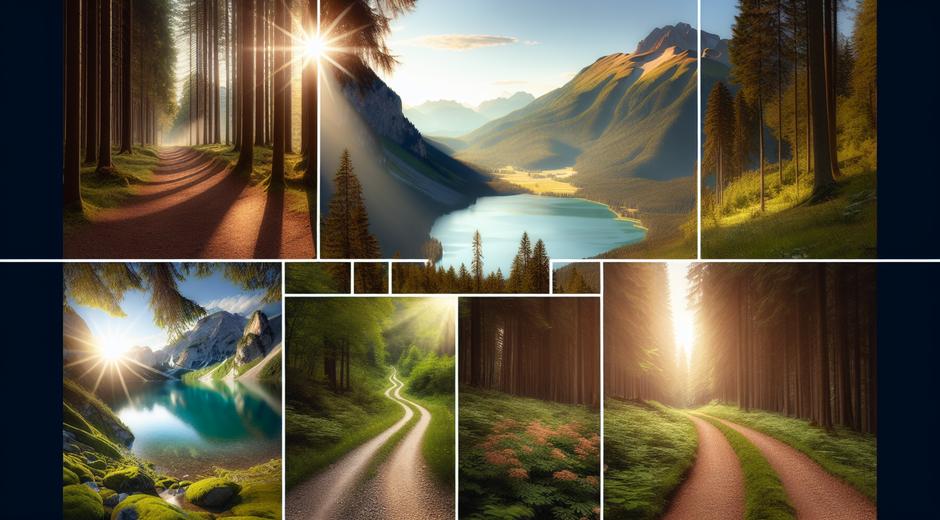


Dusty Trails A Journey Through Earth Wind and Memory
Dusty Trails evoke a feeling that is both ancient and immediate. They are lines on the earth that tell stories of people and animals of weather and of hope. Whether you encounter them on a weekend escape from a bustling city or during a long road trip that unfolds like a slow book these paths shape the way we remember a place. This article explores why Dusty Trails matter how to prepare for them how to capture their essence and how to honor the communities and ecosystems they run through.
Why Dusty Trails Call to Us
There is a magnetic quality to Dusty Trails. They invite curiosity and a gentle form of discovery. When you walk these trails you feel closer to the elements the rhythm of your step syncing with the wind and the scatter of light on loose earth. For many travelers Dusty Trails are a chance to step away from curated tourist routes and find moments of quiet surprise. Even a short walk can reveal a hidden wildflower a fossil fragment or a small shrine left by someone who once passed that way.
Stories accumulate on these routes. Ranch hands traders migrants and pilgrims have used many Dusty Trails long before maps named them. Each footprint and wheel track is a layer in a living archive. Writers and photographers return to these trails not only for scenery but for narrative fuel. If you want fresh angles for stories consider the small details that change with weather and season. The sound of boots in dry gravel the sudden scent of rain on hot dust the geometry of shadow at golden hour these are the moments that transform a simple path into a memorable scene.
How to Choose a Dusty Trail for Your Next Adventure
Choosing the right Dusty Trail starts with your intention. Are you looking for solitude or a place where you can meet local people? Do you seek a short easy loop or a longer route that tests endurance and navigation skills? Research is key. Local walking groups park services and community forums can point you toward trails that match your level of experience. For storytellers consider routes with cultural or historical resonance. A trail that links an old trading post a forgotten mine or a traditional gathering place offers layers to explore in both text and image.
Trip reports and recent trail updates can alert you to seasonal hazards and equipment needs. If you prefer a curated source of inspiring travel writing and practical tips explore content on tripbeyondtravel.com where varied stories connect readers with lesser known routes and meaningful travel experiences.
Preparing for Dusty Trails Practical Tips
Preparation makes the difference between a memorable walk and a difficult one. Start with footwear that breathes and has reliable traction on loose soil. Layer clothing so you can adapt to shifts in temperature and sun exposure. Carry more water than you think you need especially in arid regions where a short route can become challenging if weather changes. A compact first aid kit a map and a charged phone or satellite messenger are essential for safety.
Navigation can be simple with a clear route or complex in areas where paths fade into scrub. Learn to read the land. Terrain features a ridge a dry wash or a stand of trees can be natural guideposts. Leave a plan with someone who is not on the route. Tell them when you expect to return and what checkpoints to expect along the way. This small step is a major safety boost.
What to Pack for Dusty Trails
Packing light is practical yet not at the cost of safety. Essentials include water snacks sun protection and a hat with a brim. Sunglasses protect against dust and glare. A bandana or scarf is useful to cover mouth and nose when wind lifts dust. Bring a lightweight tarp or emergency blanket for rest stops and unexpected weather. A camera and a small notebook help preserve sensory details that are often the best material for storytelling.
To learn more about food pairings and simple recipes that travel well on dusty routes see suggestions and creative ideas at TasteFlavorBook.com where flavors and portable meals meet practical travel needs. Thoughtful food can turn a pause on the trail into a memorable chapter of your day.
Respecting Dusty Trails and Local Voices
Trails pass through ecosystems and communities. Respect matters. Follow local guidance on access and allowed activities. Pack out what you pack in. Avoid disturbing historical artifacts or native plants. Dusty Trails often carry cultural memory for indigenous peoples and local families. Approach these places with humility and curiosity. If you meet local residents listen to their stories and seek permission before photographing private property or people.
Consider supporting community led initiatives that help maintain trails or preserve cultural sites. Volunteering for a cleanup or donating to a local conservation group helps keep these routes healthy and open for future visitors. Small acts of stewardship keep trails alive as places of encounter and learning rather than mere backdrops for images.
Capturing Dusty Trails in Photos and Prose
Visual and written storytelling work together when you document Dusty Trails. For photography focus on texture and light. Dust responds dramatically to side light. Low sun highlights ruts footprints and plant forms turning them into graphic elements. Use wide angles to place a single subject within a broader landscape and close frames to capture detail like cracked soil seeds and the curve of a boot tread.
In prose aim for sensory detail. Describe the resistance of fine dust underfoot the metallic edge of wind on clay the hush that follows a distant truck. A short scene that centers on a single moment often resonates more than a broad summary. Let characters move through the landscape. Narratives rooted in motion mirror the way Dusty Trails themselves reveal history through passage.
Stories from Dusty Trails
Stories gathered on these routes vary from humorous to profound. A family reunion at a crossroads where two generations meet a hiker who follows a trail to find a childhood memory a guide who remembers every ranching name along a ridge. These accounts offer a human scale to geography. They remind us that every path links lives and that to travel is to participate in a living chain of passage.
Writers often find that the most compelling tales from Dusty Trails are not grand epics but small exchanges. The old woman who shares water and a piece of advice the child who names a flower with fierce certainty the dog that runs beside you and chooses to return at the next farm gate. Capture those moments with respect and detail. They are the threads that make a story worth reading and a trail worth revisiting.
Final Thoughts Embracing the Dusty Trail Mindset
Dusty Trails teach patience attention and a capacity to see what is often overlooked. They ask travelers to slow down to listen and to register small changes. Whether your interest is nature photography history local culture or personal reflection these routes offer fertile ground. Prepare well respect the land and the people you meet and bring an openness to surprise. In doing so you will collect not just images but stories that travel with you long after the dust has settled on your boots.
When you return home take a moment to organize your notes and images. Chronicle small details and map the emotions that arose on the trail. These will be the seeds of future stories and the foundation of richer travel that goes beyond simple movement. Dusty Trails are invitations. Each one asks us to pay attention and to carry forward a memory that makes both the path and the traveler more meaningful.