

Foggy Mornings
Foggy Mornings hold a strange power over the mind. They slow time without permission. They turn familiar streets into scenes from a dream. For travelers and local wanderers alike the early hours when mist hugs the ground invite a mix of calm and curiosity. This article explores why foggy mornings matter how they form and how to experience them safely and thoughtfully.
Why Foggy Mornings Captivate Us
The appeal of Foggy Mornings begins with a change in perception. Colors fade into softer tones sounds feel closer and ordinary shapes become mysterious silhouettes. These sensory shifts encourage reflection and presence. For storytellers and photographers Foggy Mornings offer fresh scenes without leaving town for far away places. For readers who love narrative travel and short atmospheric tales the haze acts as a natural filter that frames memory and mood.
Fog can also signal change. It often follows shifts in temperature and weather patterns and so it asks us to slow down and notice transitions. That is why many writers and poets use Foggy Mornings as a setting when they want to explore uncertainty or quiet revelation.
How Fog Forms
Fog appears when water vapor in the air condenses into tiny liquid droplets that remain suspended near the ground. This usually occurs when the ground cools the air directly above it or when warm moist air moves into a cooler area. Coastal regions river valleys and areas with many lakes and ponds are prime locations for frequent Foggy Mornings because they offer ample moisture and calm conditions that let the mist settle.
There are different types of fog though the result is the same a transformed landscape. Radiation fog forms on clear nights when the ground loses heat and cools the air above it. Advection fog occurs when warm humid air passes over a cooler surface. Valley fog collects in low areas and can linger longer than fog over flat land. Learning these patterns helps anyone who wants to plan a trip around Foggy Mornings to choose dates and places with better odds of catching the effect.
Senses and Mood in Fog
Fog changes sensory priorities. Sight becomes more focused on texture and contrast while sound can feel amplified. When visibility is limited the mind seeks detail in what remains visible so small things like a dew wet cobble or a single bird on a lamppost become more meaningful. Many people describe the mood of Foggy Mornings as meditative and gentle. For writers this mood can help unlock introspective work. For readers and listeners simply spending time in the mist can clear a crowded mind and invite new ideas.
Fog can also sharpen other senses. The damp air carries scent differently and floral or floral adjacent notes can appear stronger. The tactile feel of cool moist air on skin can be grounding. All these changes explain why creative people often seek Foggy Mornings for fresh perspective.
Photography and Art in the Mist
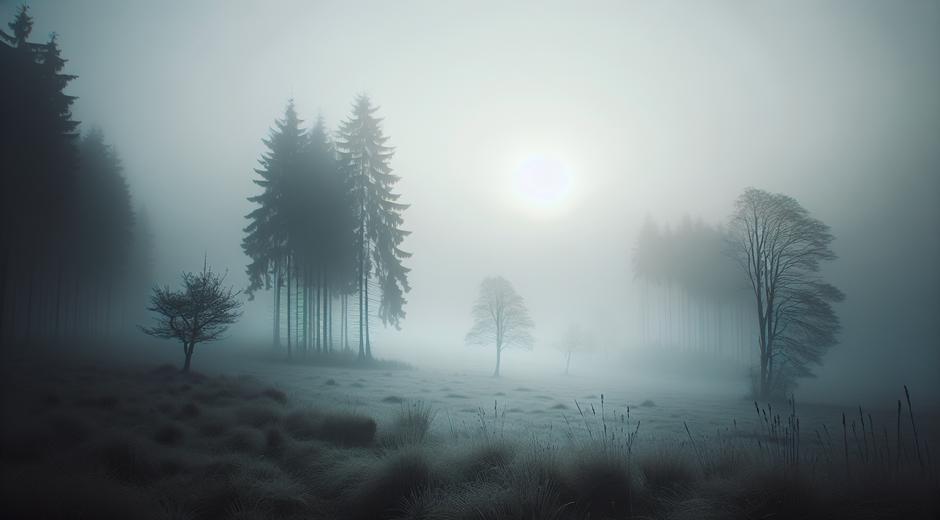
For photographers Foggy Mornings are a gift. The soft even light cuts harsh shadows and allows colors to appear muted yet rich. Compositions that rely on depth and layering shine because fog naturally separates foreground from background. To make the most of these moments try to include a clear focal point like a person a tree or an architectural element. The lack of detail in the distance will enhance that focus.
Camera settings can be simple: expose for the subject keep ISO low and embrace the atmosphere rather than aiming for perfect contrast. If you prefer film or analog processes Foggy Mornings can produce textured grain and tonal ranges that digital often tries to mimic. Painters and sketch artists also love the subdued palette because it simplifies values and invites exploration of line and form.
Safety and Travel Tips for Foggy Mornings
Experiencing Foggy Mornings is rewarding but it requires caution. Visibility can drop quickly which affects driving walking and boating. If you are driving use low beam lights and reduce speed. For walkers and cyclists choose routes you know well and consider reflective clothing or lights to stay visible. If you plan to be on water check weather forecasts and local advisories because fog can emerge unexpectedly and alter currents or tides.
When planning a trip for Foggy Mornings factor in timing and flexibility. Early hours are best but the window can be short. Keep warm layers and waterproof shoes because mist soaks fabric slowly and chill sets in. Bring a thermos with a hot drink to make the experience comfortable and ritualized. If you enjoy museums or indoor cultural spots nearby use the gentler afternoon hours for indoor exploration. For inspiration and event planning consider visiting a site that curates cultural timing and scheduling such as Museatime.com which can help pair your Foggy Mornings with local exhibits and openings.
Where to Find Memorable Foggy Mornings
Some landscapes naturally invite Foggy Mornings. Coastal cliffs river valleys and urban areas close to large bodies of water are good bets. Small towns with old trees and cobbled streets often get dramatic early mist that lingers long enough for relaxed exploration. National parks and nature preserves can be excellent too though always check access rules and seasonal advisories.
If you are planning travel around Foggy Mornings bookmark local forecast tools and join community forums where residents share tips about typical conditions. When you arrive allow yourself a flexible morning schedule. The fog may arrive earlier or later than expected and it may appear for a few minutes or several hours. This unpredictability is part of the appeal and the story you will tell later.
How to Plan Your Foggy Morning Experience
Start by choosing a destination that matches the mood you want. For solitude seek a quiet valley for gentle mist and soft sound. For dramatic photographic scenes choose coastal headlands where the fog meets the sea. For a balance of cultural activity and atmospheric conditions pick a small city with nearby waterfronts and museums. To learn more about travel storytelling and community suggestions visit our site where you can explore many personal stories and guides at tripbeyondtravel.com.
Pack items that make the moment pleasant and safe. A reliable flashlight a light waterproof jacket and sturdy shoes are essentials. A small notebook or a voice recorder will help you capture impressions before they fade. If you are with a group set a meeting point because limited visibility makes spontaneous reunions more difficult. Consider timing your walk to end at a local cafe sunrise service or gallery opening so you have warmth and a place to reflect on what you saw.
Foggy Mornings as a Creative Practice
Turning Foggy Mornings into a regular practice can deepen creativity. Commit to five mornings in a row and you will start to notice patterns in how the world shifts and how your mind responds. Use a prompt such as observe a single tree for ten minutes sketch a doorway write a single paragraph or record the sounds you hear. Repeating small tasks trains the eye and helps build a habit of noticing.
Many writers use the mist to begin a daily page of free writing. The quiet and reduced visual clutter make it easier to access memory and imagination. Musicians can find new textures in ambient sound. Photographers who return to the same spot over multiple mornings often discover subtle changes that reveal seasonal or human rhythms.
Conclusion
Foggy Mornings are more than meteorology. They are an invitation to slow down to look closer and to let the landscape guide thought and feeling. Whether you are a traveler seeking new scenes a creative looking for mood or a local wanting a fresh view of your neighborhood the mist offers a brief and beautiful re framing of the familiar. Plan with care enjoy with presence and let those early hours become seeds for stories and images you will carry forward.