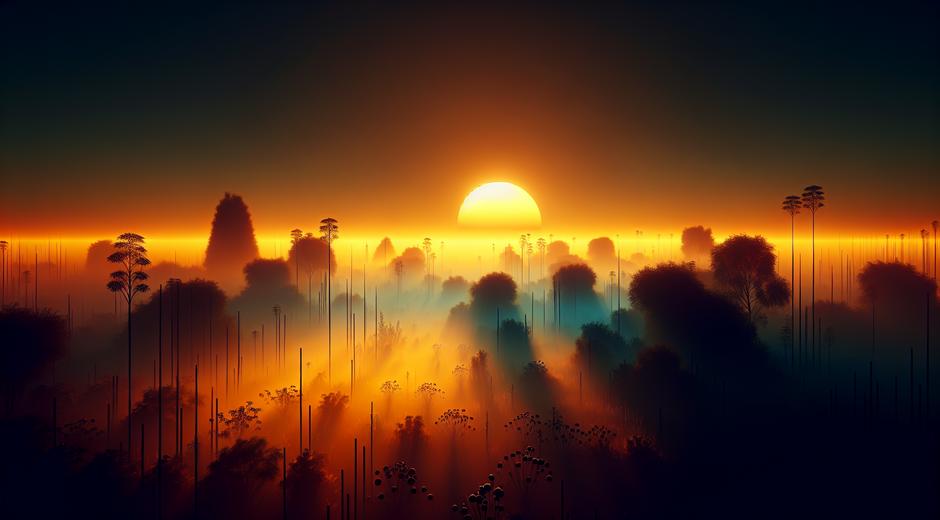


Golden Hours: How to Capture and Live the Light
What the Phrase Golden Hours Really Means
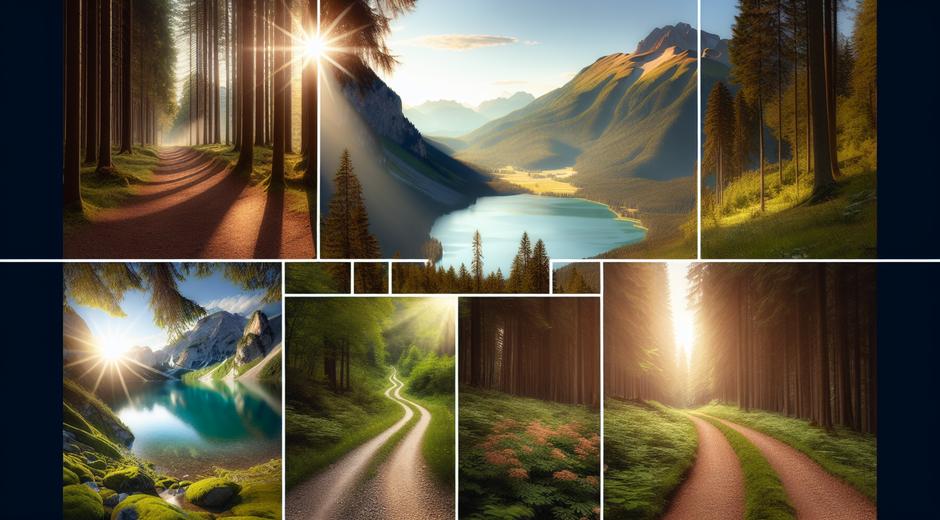
Golden Hours describe the special moments after sunrise and before sunset when sunlight takes on a warm soft tone that transforms ordinary scenes into cinematic moments. Photographers and storytellers prize these times because the light reduces harsh contrast and creates long pleasing shadows. For travelers the Golden Hours offer more than good light. They provide space for quiet reflection and a chance to see popular places without overwhelming crowds.
Why Golden Hours Matter for Stories and Images
When you seek to craft a memory or a narrative the quality of light shapes how that story is felt. Golden Hours flatter landscapes and portraits, helping skin tones look warm and inviting and rendering architecture with gentle depth. The scene reads as more intimate and authentic. For a website that shares travel tales and photo essays this natural glow increases reader engagement and encourages longer time spent on a page.
How to Plan Your Day Around Golden Hours
Timing is everything. Golden Hours vary with latitude season and local weather. In high latitudes the window may last for an hour or more. Near the equator it is shorter. Check sunrise and sunset times for your destination and aim to arrive at a location at least thirty to forty five minutes before the window to scout angles. For spontaneous travel moments remain flexible and carry a compact camera or smartphone so you can take advantage of unexpected light.
If you want inspiration for itineraries and real life accounts of sunrise and sunset adventures visit tripbeyondtravel.com where photographers and writers share moments that show how light shapes experience.
Best Destinations for Golden Hours
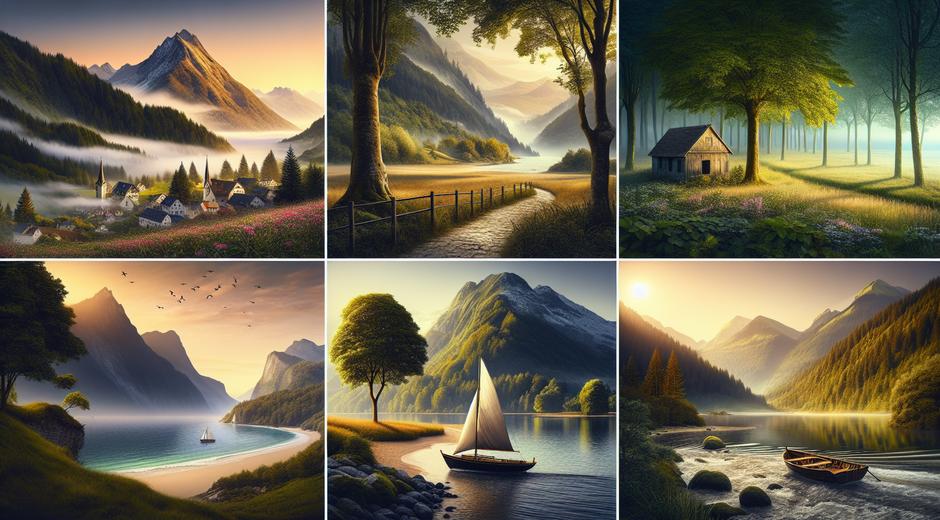
Some places are legendary for sunrise and sunset scenes. Coastal cliffs reveal dramatic silhouettes against a pastel sky. Mountain ridges catch early rays that paint peaks with a warm glow. City rooftops let you watch sunlight wash glass and stone giving urban scenes an almost painterly quality. Lakes and canals offer mirror like reflections that double the beauty of the sky. Seek places with a clear horizon and varied foreground elements like trees rocks boats or architecture to create depth.
Practical Camera Tips for Golden Hours
For photographers the technical approach is simple yet powerful. Use a low ISO to keep images clean. Choose a moderate aperture when you want both subject and background in focus or open up the aperture for a shallow depth of field that isolates a subject against the luminous backdrop. Slow shutter speeds can capture motion blur in water or clouds and create a peaceful mood. A tripod helps when light levels drop. If you shoot with a smartphone explore exposure compensation and focus locking to control how the sensor interprets contrast.
Compositional Techniques That Work Best
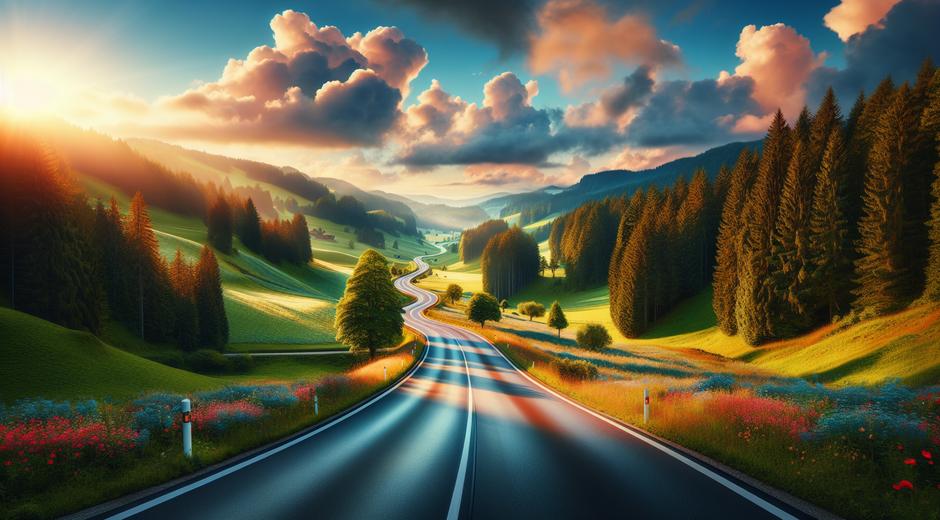
Composition matters as much as light. Use leading lines such as pathways fences and shorelines to guide the viewer into the scene. Place your subject off center to let the light occupy space in the frame. Include silhouettes to emphasize strong shapes against vibrant sky. Reflections double the emotional impact and create symmetry that feels balanced and calm. Experiment with foreground elements to add scale and a sense of place.
How Golden Hours Change the Way You Travel
Arranging a day around Golden Hours changes your pace. You rise earlier or pause later to savor light and atmosphere. This practice invites observation and slows travel from a checklist to an experience. Fewer people on paths and lookouts create a more personal encounter with a place. You gain time for quiet journaling or a short meditation which often leads to richer stories when you return to write or edit photos.
Apps and Tools to Catch the Right Moment
Several apps help you predict the arrival of Golden Hours and study the angle of light at a specific spot. Use a sun tracking app to know where the light will fall relative to a landmark. Weather apps help avoid cloudy surprises. For active travelers who combine movement with time sensitive planning an active lifestyle resource can be handy. For curated guidance on outdoor routines and fitness at dawn and dusk check SportSoulPulse.com which pairs tips for body and mind with outdoor timing strategies.
Sharing Your Golden Hours Content for Maximum Reach
When you publish stories and images consider framing the narrative around emotion and small detail rather than a long list of facts. A title that highlights the mood and a lead that sets scene context helps readers connect. Tag images with location and time of day to help search engines and to attract viewers who seek sunrise or sunset content. Optimize captions with natural use of the phrase Golden Hours for improved search visibility. Include local search terms so people looking for sunrise viewpoints in a specific city can find your work.
Ethics Safety and Respect During Golden Hours
Golden Hours often mean fragile environments and increased wildlife activity. Stay on marked paths respect private property and observe local rules. Use quiet voices and soft footsteps to avoid disturbing animals and other visitors. Pack a small light for your return walk so you stay visible and safe. Leave no trace. Remember that the most powerful images come from moments when you engage respectfully with a place rather than forcing access to a restricted vantage point.
Editing and Color Grading Tips
Post processing should enhance not overpower. Boost exposure slightly if shadows blocked key elements but maintain the contrast that gives the scene its mood. Increase warmth with subtle color temperature shifts to emphasize the Golden Hours feel. Use local adjustments to recover detail in highlights or to add clarity to a subject. Avoid heavy saturation which can make scenes feel artificial. Save a natural version and an artistic version so you can choose the tone that best supports the story you want to tell.
Stories to Tell With Golden Hours
Golden Hours lend themselves to personal essays portrait series and landscape narratives. Tell a story about a morning ritual a sunrise walk with a loved one or the way a city wakes up. Use sensory detail like the sound of gulls the salt in the air or the softness of breeze on your skin to transport readers. Pair an image of warm light with a short reflection and you often produce a piece that resonates more than a long description.
Final Thoughts and a Simple Challenge
Golden Hours invite you to slow down to notice the small changes light makes to the world. They improve images and deepen personal memory. Try a simple challenge this week. Choose a nearby location and visit twice once at sunrise and once at sunset. Observe how mood and activity differ. Capture a shot and write a few sentences about what felt different. Small experiments like this build visual skill and expand your catalog of stories in ways that matter to readers and to you.
Golden Hours are not just a moment in time. They are an opportunity to practice attention to detail and to craft content that feels alive. Whether you are a skilled photographer a casual traveler or a writer looking for fresh metaphors this light rewards those who prepare and those who pause.