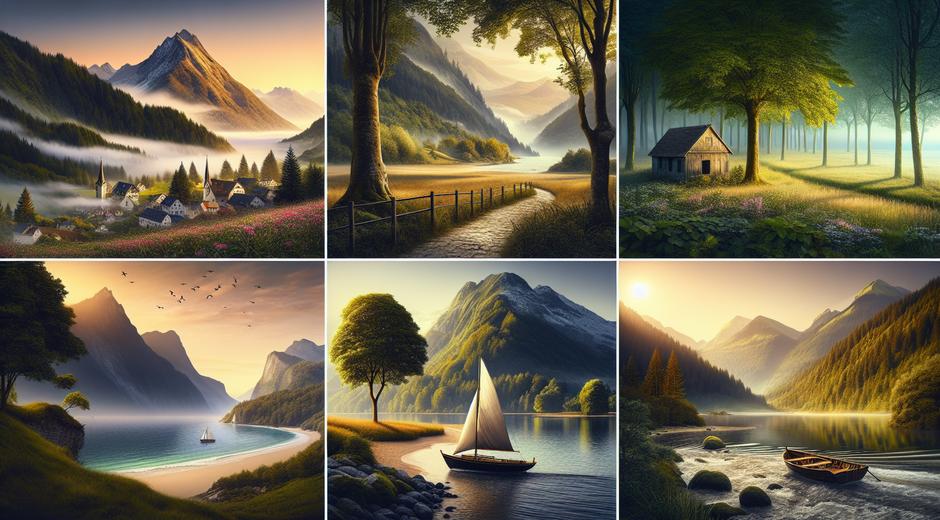


Hidden Horizons
Hidden Horizons is not just a phrase. It is an invitation to move beyond the familiar route and to discover places and moments that most travelers leave unseen. For readers of tripbeyondtravel.com who crave rich stories and meaningful travel experiences, Hidden Horizons offers a guiding idea. This article unpacks why these horizons matter how to find them and how to weave them into travel stories that stay with you. Along the way you will find resources and inspiration to plan your next journey and to share stories that connect with readers and fellow travelers.
Why Hidden Horizons Matter
Travel has changed. Many visitors now seek depth over checklist travel. Hidden Horizons speaks to this shift by focusing on experiences that reveal local life culture and unexpected beauty. These horizons are where traditions still thrive where landscapes feel private and where encounters with people turn into stories. Finding Hidden Horizons helps travelers connect with places on a human level rather than merely collecting photos.
For content creators and storytellers Hidden Horizons is a powerful keyword. It signals curiosity and intent. When you write about a destination through the lens of Hidden Horizons you invite readers to slow down to look closer and to value nuance. That approach improves on page time and reader engagement which are essential for successful content on platforms like tripbeyondtravel.com and for attracting repeat visitors who want fresh perspectives.
How to Spot Hidden Horizons in Cities
Cities present Hidden Horizons in lane ways art spaces and community markets. Rather than following major monuments first head to narrow streets and side plazas. Look for small family run cafes craft workshops and neighborhood festivals. These venues often host conversations and traditions that reveal a city beyond the guidebook. Pay attention to public notice boards local calendars and artisan windows. A barista a shop owner or a street musician can lead you to a network of experiences that feel like discovery.
Use curiosity as your map. Ask residents about their favorite spots for a quick meal or an afternoon view. Visit local libraries cultural centers and small museums where voices and histories are preserved. Those places provide texture for compelling narratives and for photography that goes beyond scenic postcard visuals. When you document these finds remember context. Who keeps the place alive why does it matter and what will it look like in ten years? Such questions create depth for your story.
Finding Hidden Horizons in Nature
For nature lovers Hidden Horizons often appear at the meeting points between ecosystems or in overlooked pockets within popular parks. Early morning or late evening will reward those hours with light wildlife and solitude. Walk lesser known trails talk to park rangers and read local nature blogs to find meadows groves and waterways that visitors miss. These quiet places often host rare plant communities small animal families and vistas that feel private even when not completely empty.
Ethical travel matters here. Respect conservation rules avoid disturbing wildlife and pack out everything you bring in. Responsible discovery ensures that Hidden Horizons remain intact for future visitors and for photographers and writers who seek to celebrate these realms. When you write about natural sites include safety tips seasonal notes and guidance on how to visit with minimal impact. This makes your content useful and builds trust with readers.
Practical Steps to Plan a Hidden Horizons Trip
Planning a trip that prioritizes Hidden Horizons requires a blend of research flexibility and open minded logistics. Start with a loose itinerary that allows room for unexpected detours and local recommendations. Gather a list of small museums community markets independent shops and nature corridors. Include time for wandering and for conversation. Reserve at least one full day with very little scheduled activity. That day will often become the highlight of your trip.
Leverage local expertise. Book a guided walk with a community group or a conservation volunteer. Attend a cooking class in a local home or join a craft workshop. These experiences yield stories and connections that are difficult to create alone. If you prefer research based planning search for local newsletters small scale guides and community calendars to learn about one off events. For inspiration and curated nature stays consider a partner resource like BioNatureVista.com which highlights sustainable nature experiences and conservation focused stays that align with the spirit of Hidden Horizons.
Telling Stories from Hidden Horizons
Great travel stories hinge on sensory detail pace and personal insight. When you return from a Hidden Horizons visit craft your story around a few key moments rather than trying to cover everything. Start with an image memory or an interaction that captures the essence of the place. Then expand outward to describe sights sounds tastes and textures while weaving in background information that gives the moment meaning.
Include quotes from people you met and practical details that help readers replicate elements of your experience. Use photography to support the narrative. Close ups of hands at work a shared meal or a plant unique to the area all enhance reader engagement. Remember that authenticity beats overemphasis. Readers value honest accounts that include both wonder and moments of challenge.
Safety and Respectful Practices
Hidden Horizons can lead travelers into spaces that are less regulated and sometimes less safe. Prepare accordingly. Share your plans with someone you trust carry local emergency numbers and carry copies of important documents. Learn a few phrases in the local language and observe cultural norms. Respect private property and seek permission before photographing people in sensitive settings. These practices protect both you and the communities that make Hidden Horizons possible.
Turning Hidden Horizons into Ongoing Series
One of the best ways to grow an audience is to turn the Hidden Horizons concept into an ongoing series. Each installment can focus on a city region ecosystem or a theme such as craft food or conservation. Series format encourages readers to return and to share their own discoveries. It also creates a predictable structure for your work which helps with planning and SEO. Use consistent tags and descriptive meta titles to improve search visibility and to make it easy for readers to find every story in the series.
Final Thoughts and Next Steps
Hidden Horizons is a mindset and a method. It invites travelers and storytellers to slow down to listen and to seek meaning in small details. Whether you aim to write a long form essay create a photo essay or to curate a guidebook entry the principles remain the same. Look local value authenticity and prioritize respect. As you practice you will collect a growing archive of stories that inspire others to step beyond the obvious.
If you are ready to deepen your travel writing and to explore new horizons start by choosing one nearby place that feels under explored. Spend time there without a strict agenda meet a local and ask for a story. Document carefully and share responsively. For more inspiration and for curated nature focused stays consider the resource mentioned earlier and for ongoing storytelling practice bookmark the editorial home at tripbeyondtravel.com where new narratives from Hidden Horizons are published regularly.