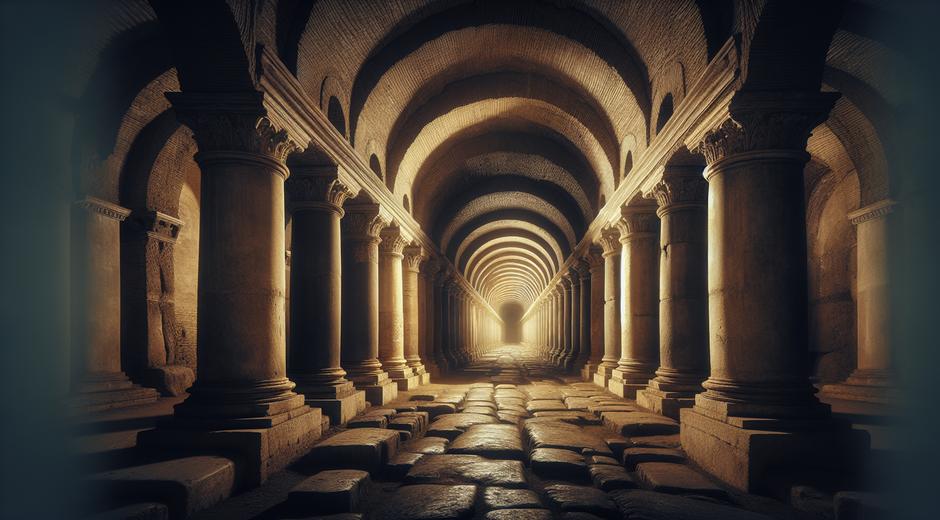


Historic passageways: Hidden corridors that shape our stories
What makes a passageway historic
Historic passageways are more than routes between two points. They are layers of time carved into stone and timber. A passageway can be a medieval alley where merchants once traded spices, an underground tunnel that carried water to an ancient city, or a covered walkway that connected houses in a hillside town. These spaces reveal how people lived traveled and thought about safety commerce and community over centuries.
Why these corridors matter for travelers
Exploring historic passageways connects a traveler to daily life across eras. Such corridors often preserve scale and texture that large monuments cannot convey. Narrow lanes reveal how cities grew organically. Covered arcades show how weather shaped commerce. Subterranean passages hold engineering solutions to urgent needs. Walking these places offers sensory history you can see smell and touch. For storytellers and photographers the passageway becomes a stage where everyday life and ancient craft meet in a single frame.
Iconic examples to inspire your journey
Across continents you will find passageways that have defined neighborhoods and entire cities. In Europe narrow alleys in old quarters keep centuries of commerce alive. In the Middle East covered bazaars create a network of shaded streets where craft and conversation thrive. In Asia elevated walkways and stair passages connect terraced hills and temples. Each example teaches a different lesson in design adaptation and human resilience.
Exploring safely and respectfully
When you visit a historic passageway you are a guest in a living environment. Respect is essential. Keep noise low especially in residential areas. Do not remove artifacts or attempt to alter surfaces. Photograph with care. If access requires permission or a ticket follow local rules. Many cities offer guided tours that combine safety with deep local knowledge. Such tours can enrich your understanding while reducing wear on fragile surfaces.
How to find the best passageways
Start with local history resources and municipal heritage maps. Independent blogs and community forums often highlight lesser known lanes that do not appear in mainstream guides. If you want curated story driven routes check out a local storyteller or historian who organizes walking tours. For digital planning a site dedicated to cultural travel can offer thematic routes and practical advice. For a wide range of narrative travel features and trip ideas visit tripbeyondtravel.com where stories meet planning tools for curious travelers.
Photography and storytelling tips
Passageways reward slow observation. Start with light. Early morning and late afternoon often reveal warm tones and long shadows that highlight texture. Use a lens that lets you frame both depth and detail. Close ups of carved stone joints or weathered timber can complement wide shots that capture the corridor in context. Seek human scale with a person walking through the frame to show proportion. Listen for sound. The echo of footsteps or distant voices adds atmospheric notes you can describe in writing or record for later audio layers.
Preservation challenges and community roles
Historic passageways face threats from modern traffic poor maintenance and unchecked development. Preserving them requires a balance between living needs and conservation. Community groups often lead the way by documenting features cleaning surfaces and lobbying for protective regulation. Municipal heritage programs can provide technical support and funding. Travelers can help by choosing guided visits that contribute financially and by sharing stories that raise awareness about fragile places.
Cultural rituals and daily life carried through corridors
Passageways are stages for rituals and daily habits. Markets spill into lanes at dawn. Processions wind through narrow streets during festivals. Household life sometimes extends into covered alleys where neighbors gather to cook share news and care for children. In many places passageways are living rooms for the community. Observing these rituals with humility and curiosity enriches your travel narrative and gives deeper meaning to the spaces you visit.
Design features that reveal function and era
Look closely at materials and construction. Stone joints mortar patterns and wear marks reveal centuries of use. Drainage channels and raised thresholds show how builders tackled water and sanitation. Covered arcades reveal climate adaptations while stair passageways show how people navigated slope with limited mobility aids. These design details form a language. Learning to read that language transforms a walk into a lesson in ingenuity and adaptation.
Planning a passageway focused itinerary
To craft a meaningful route choose a theme such as trade religion or everyday life. Start at a landmark then let smaller lanes guide you to less obvious sites. Build time for pauses at cafes or viewing points where you can absorb the ambiance. Bring a notebook or a voice recorder to capture impressions and small interviews with local vendors or residents if they are willing. If wellness matters to your travel style consider pacing your day with gentle stretches and mindful breaks. For resources that help travelers align wellness with exploration see BodyWellnessGroup.com which offers guidance on movement and recovery practices for active explorers.
Seasonal considerations
Weather changes the experience of a passageway. Summer heat can make shaded arcades essential while winter rains may transform stone lanes into reflective mirrors. Spring often brings floral accents that soften stone edges and autumn tones highlight texture. Plan visits according to the sensory experience you seek and always check local forecasts. Crowds also vary by season. Off season visits may offer solitude and a chance to see details unobstructed by tourists.
Learning from local guides and stories
Local guides are invaluable for context. They know which doors are private which vaults hold a story and which corners hide craft workshops. A good guide will teach you not only facts but the narrative significance of spaces. Ask about the passageways origins changes and famous moments that occurred there. These stories enrich your appreciation and help preserve intangible heritage by spreading knowledge across visitors.
Conclusion
Historic passageways connect us to human ingenuity and daily life across time. They are living archives where architecture and human behavior meet. Whether you wander a shadowed alley in an old quarter or descend into a water gallery beneath a modern city the passageway invites curiosity patience and respect. Use mindful planning local knowledge and a sense of discovery to turn each narrow lane into a living story you can carry home and share. For more narrative travel content and curated routes that bring these stories to life visit the site noted earlier and keep your curiosity long after the walk ends.