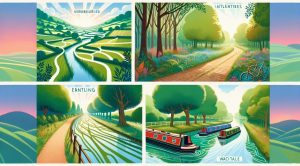


Journey Storytelling: How to Turn Travel into Memorable Narratives
Journey Storytelling is more than a way to recount travel events. It is a craft that blends emotion setting and structure to transform a sequence of moments into a memorable narrative. For storytellers and travelers alike mastering this craft increases engagement builds audience trust and elevates ordinary experiences into stories that stick. In this article we explore the core principles practical techniques and publishing paths that help any writer or creator shape compelling journey narratives.
What Journey Storytelling Really Means
At its core Journey Storytelling is the art of describing a journey in a way that feels immersive and meaningful. A list of places visited or a log of travel times rarely qualifies. Instead the focus is on arc character transformation and sensory detail. The best journey stories show how travel changed someone or revealed something new about a place or culture. They use specific scenes rather than broad generalizations and they invite the reader to feel present rather than simply to read facts.
Why Journey Storytelling Matters for Readers and Creators
People read journey stories to achieve several things at once. They want inspiration to plan trips they have not yet taken. They seek escape from everyday life. They look for practical advice that can help them avoid mistakes. And they crave empathy that connects them to other human experiences. For creators the value is similar. Strong journey stories build audience loyalty improve discoverability and open opportunities for partnerships and monetization. When you tell a journey well you create content that readers return to and that algorithms favor because of longer engagement times.
Key Elements of Effective Journey Storytelling
Several elements repeatedly appear in powerful journey narratives. Focus on these to raise the quality of your work.
Character and Motivation Start with who is traveling and why. Motivation gives the reader a reason to care and a lens through which events are filtered.
Arc and Change Even short journeys benefit from a sense of progression. Show how expectations shift knowledge grows or attitudes evolve as the journey unfolds.
Vivid Detail Use sensory details to transport the reader. Describe smells textures sounds and visuals that reveal the essence of a setting.
Conflict and Tension Challenges create stakes. Whether it is a missed connection a misunderstanding or an internal struggle the presence of tension keeps readers invested.
Reflection What did the traveler learn? Reflection helps readers interpret events and ties scenes back to the story theme.
Practical Steps to Craft a Journey Story
Transforming notes and photos into a story requires a method. Follow these steps to produce clean engaging drafts.
Begin with an outline. Identify the beginning middle and end. Map key scenes including turning points and moments of high emotion. A clear outline keeps the narrative focused.
Choose a point of view that serves the story. First person creates intimacy second person can be immersive and third person allows wider perspective. Consistency in point of view helps readers stay grounded.
Write scene by scene. Treat each scene as a mini story with a goal action and outcome. Scenes with clear micro arcs add momentum to the larger narrative.
Edit for clarity and pace. Trim details that do not serve the story and expand moments that reveal character or theme. Good editing keeps the reader moving while deepening meaning.
Invite sensory detail. Replace general statements with concrete images that help the reader see feel and smell the place alongside the traveler.
Story Forms and Formats for Journey Storytelling
Journey stories can take many shapes. Choose a form that matches both your voice and your audience needs. Short format essays work well for blogs where readers value a quick evocative read. Long form narrative pieces suit magazine readers who expect immersive reporting. Serialized posts create anticipation and keep readers returning for installments. Multimedia approaches that combine text images and audio can increase emotional impact and accessibility.
Once you are ready to publish consider platforms that amplify your voice. If you want a space dedicated to travel narratives and a community that appreciates depth consider publishing work on tripbeyondtravel.com where readers come for authentic journeys and curated storytelling.
Tools Ideas and Practices to Improve Your Work
Good tools and habits speed growth. Keep a pocket notebook or use a voice recorder to capture raw moments. Organize photos with notes to preserve context for later. Use simple editing tools to draft polish and optimize for readability. Reading widely across travel literature and narrative craft will improve your stylistic range.
Mental readiness matters as much as practical tools. Mindful attention to the present moment sharpens observational detail and reduces noise that can dilute a narrative. If you want guided practices to enhance focus clarity and creative flow consider resources that teach mindfulness and productivity techniques such as those available at FocusMindFlow.com. A steadier attention span leads to richer scenes and a higher quality output.
Examples and Inspirations
Learn by example. Read personal essays travel reporting and short fiction that emphasize character and place. Study how writers set scenes how they pace revelations and how they weave reflection into narrative. Notice variation in voice and structure. Some stories begin in media res others start with a reflective prologue. Each choice signals something about the tone and expected reader experience.
When you practice write short scene experiments. Recreate a cafe conversation or a sunset on a hill in three different voices. Compare results to see which approach best conveys the emotional truth you aim to share.
Common Pitfalls and How to Avoid Them
Avoid lists of places without connective tissue. Facts alone do not make a story. Also resist the urge to over explain or moralize. Trust readers to draw some conclusions on their own. Beware of generic descriptions that could apply to any place. The more specific and surprising the detail the more memorable the passage.
Finally edit ruthlessly. Long digressions and repeated descriptors slow the narrative. Use tighter sentences and vary rhythm to keep readers engaged.
How to Build an Audience for Journey Storytelling
Publishing consistently and engaging authentically matter most. Invite readers to comment share their own stories and to subscribe for future posts. Cross promote on social channels thoughtfully rather than blasting every platform. Niche communities and partnerships with related creators or publications can accelerate growth. Offer downloadable value such as packing lists itineraries or behind the scenes notes to convert casual readers into loyal followers.
Conclusion
Journey Storytelling is a timeless skill that turns travel into meaningful art. By focusing on character arc sensory detail and clear structure you can craft stories that resonate. Use simple practices to gather material refine your voice and publish where your audience lives. When you tell a journey with honesty and craft you invite readers to travel with you beyond coordinates into the deeper human experience of place and change.