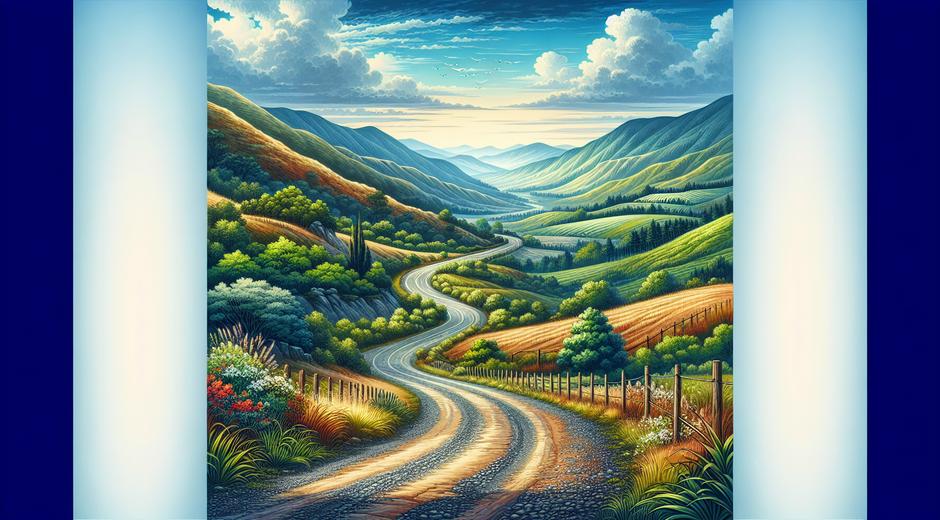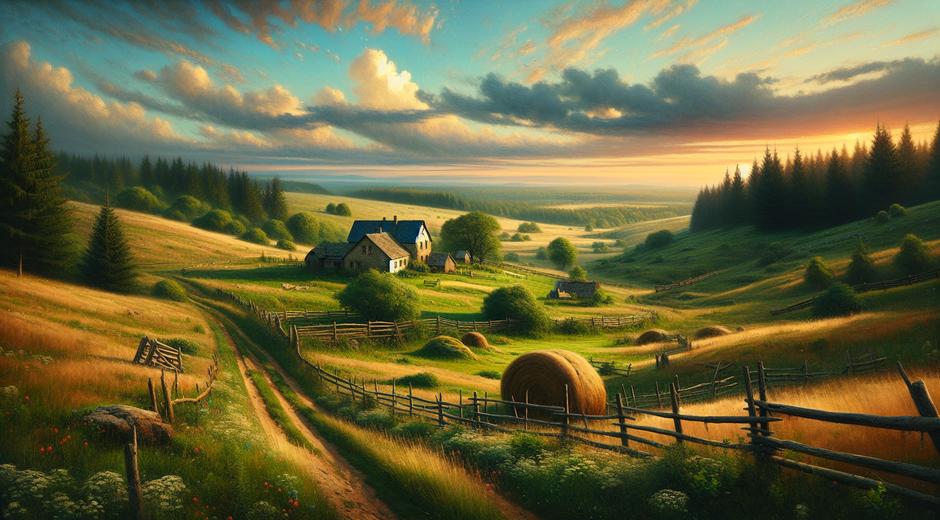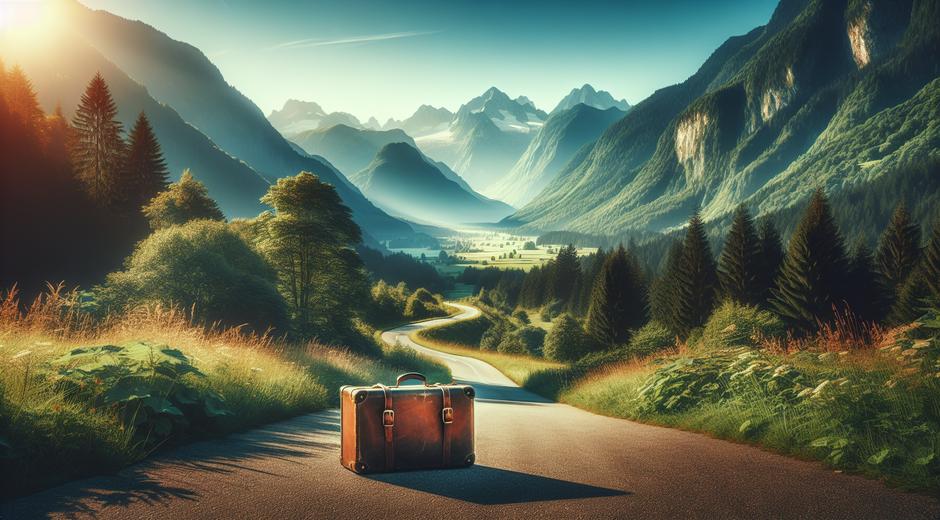


Landscape Travel Tales
Landscape Travel Tales are more than notes in a journal or images in a gallery. They are living narratives that capture how a place feels at sunrise when the light touches a ridge or when a river tells stories through its stones. These tales combine the senses with observation and memory to create portraits of places that linger long after a journey ends. In this article we explore why landscape travel tales matter how to craft them and how to share them so they inspire others to move beyond ordinary tourism.
Why landscape travel tales matter
At their core landscape travel tales transform geography into human experience. A valley becomes a lesson about resilience when a community rebuilds after flooding. A coastal cliff becomes a chapter about patience when geologic time is explained through layers of rock. These stories help travelers connect emotionally to places and prompt deeper curiosity about local history culture and ecology. Landscape narratives also preserve eyewitness accounts of change whether that change is seasonal or caused by human activity.
When you write about a place you anchor memory to detail. Mention the light on a particular slope the sound that comes off a canyon wall or the scent of a wet meadow after rain. These small elements help readers visualize and feel invited to experience the place themselves. A good tale invites questions and prompts readers to explore further either in person or through careful research and reading.
How to observe for memorable landscape tales
Observation is the foundation of any meaningful travel tale. Start by slowing down and allowing your senses to tune to the environment. Sit quietly on a rock or bench and note how the wind moves vegetation. Listen for birds and insects and consider what their presence tells you about the health of the ecosystem. Take time to notice human touches such as terraced fields stone walls or pathways. Ask locals about landmarks events and seasonal cycles. Small conversations often lead to the richest anecdotes.
Keep a dedicated notebook or voice memo app where you record short sensory fragments. Later you can weave these fragments into a fuller narrative. Use concrete detail rather than abstraction. Instead of saying a place was beautiful describe the particular light the way it shifted across a meadow or how a particular tree cast a net of shade. Concrete detail invites empathy and helps readers imagine themselves in the scene.
Structuring a landscape travel tale
A clear structure helps readers engage with your story from beginning to end. Start with a strong opening that places readers in the scene. A single image or moment can set the stage. Follow with context that explains why the place matters whether through historical notes ecological information or a personal anecdote that reveals how the landscape affected you. Finish with reflection that connects the local story to a broader theme such as resilience climate change or cultural continuity.
Interweave factual information with sensory details and personal reflection. For example if you write about a mountain range include a short note about its formation and how local communities interact with it. This balance strengthens credibility while retaining the emotional appeal of a travel tale. Readers gain both knowledge and feeling which increases the chance they will remember and share the piece.
Practical tips for capturing images and sound
Landscape tales are often strengthened by images and audio. A single photograph can convey scale texture and mood quickly. When photographing keep composition simple and focus on elements that support your narrative such as a stream that shapes a valley or an old tree that marks a gathering place. Use natural light whenever possible and experiment with perspective by shooting from low or high vantage points.
Audio captures atmosphere in a way that text cannot. Record the sound of water wind or local music. These recordings can be woven into digital stories or kept as archival material. Always ask permission before recording people and respect requests to avoid recording if privacy is a concern. These practices ensure your tale honors the people and places it depicts.
Making your tales responsible and sustainable
Good landscape travel tales respect local communities and ecosystems. Avoid romanticizing poverty or portraying communities only as backdrops to your own experience. Engage with residents and attribute local knowledge. Whenever your travels influence the places you visit consider choosing sustainable products and services. For example careful choices in equipment and packing can reduce environmental impact and support responsible local businesses. For resources on eco friendly gear and sustainable travel practices visit Ecoglobalo.com which offers curated options that align with mindful travel values.
Responsibility also means sharing information that helps others travel well. If a trail is fragile do not encourage crowds without offering guidance about how to minimize impact. When you include directions or specific sites consider adding notes about seasonality capacity and local regulations. That way your tale becomes a guide to respectful visitation rather than a map to overuse.
How to edit your landscape travel tales for impact
Editing turns raw observation into a compelling narrative. After a draft sits for a day revisit it with fresh eyes and remove anything that does not support the central theme. Tighten paragraphs into scenes. Replace passive verbs with active ones. Trim overly long descriptions that slow momentum and develop images that deserve attention. Aim for clarity so the reader moves through the story easily while still savoring the language.
Invite feedback from trusted readers who understand either writing or the region you describe. They can point out unclear passages factual errors or missed opportunities to deepen context. Also ensure your factual claims are accurate and when appropriate include the names of local guides organizations or conservation groups. For more thematic stories that showcase varied voices and perspectives consider submitting your work to a community of writers online such as the network at tripbeyondtravel.com which welcomes varied narrative styles and perspectives in the landscape travel genre.
Sharing and publishing your landscape travel tales
Think about your audience before you publish. Are you writing for fellow travelers locals or policy minded readers? Tailor tone and detail accordingly. For general audiences emphasize clear images lively anecdotes and a strong narrative arc. For specialist readers include deeper context such as geological time scales ecological metrics or policy issues affecting land use.
When sharing online include captions credits and location context. Tag local organizations and photographers with permission. Use social media to highlight a single evocative line or image that encourages readers to click through and read the full tale. Encourage dialogue by ending the piece with a question or a call for readers to share their own landscape travel tales. Community engagement not only builds readership it deepens the conversation about how we inhabit and care for places.
Conclusion
Landscape Travel Tales bridge observation memory and knowledge to produce stories that do more than describe. They invite readers into a place help preserve local knowledge and encourage responsible travel practices. Whether you are a novice writer or an experienced storyteller the practice of slow observation clear structure and ethical sharing can transform your travel notes into stories that matter. Use your words to honor places and people and to inspire travel that is curious respectful and sustained.