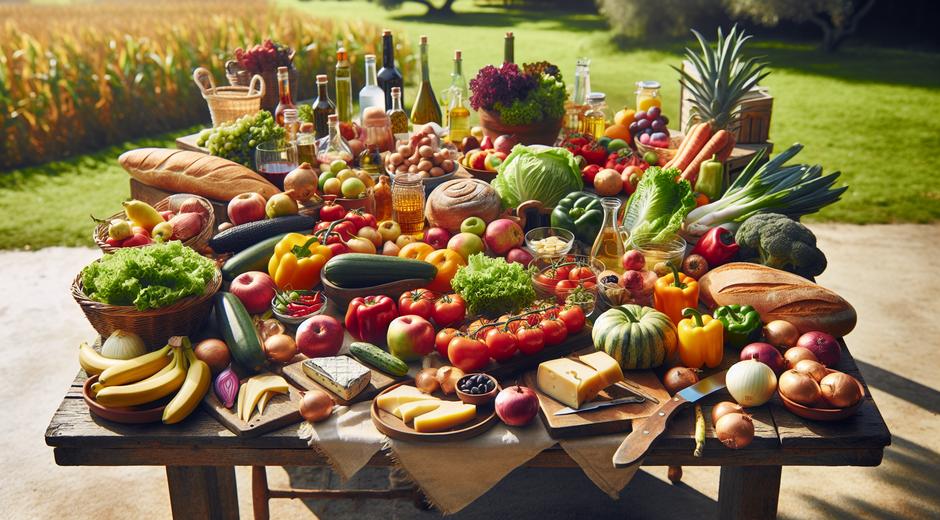


Local Flavors A Traveler Guide to Authentic Taste
Local Flavors are the gateway to understanding a place beyond its landmarks and itinerary lists. Food carries memory memory of family rituals climate patterns and centuries of trade and innovation. When you seek out Local Flavors you invite story culture and history to the table. This guide will help you find taste that feels true and will give practical tips to turn every meal into a meaningful memory.
Why Local Flavors Matter
Food is language. The Local Flavors of a town or region tell you what soils yield which crops how local hands have learned to preserve harvest and which spices arrived by long distance trade. Sampling Local Flavors means connecting with people who grew those ingredients who passed recipes through generations and who still celebrate seasonal change with specific dishes. For travelers who yearn to go beyond typical tourist fare exploring Local Flavors leads to deeper conversations and to experiences that you will recall long after your trip ends.
Where to Start Your Taste Journey
Begin with markets. A market reveals what is fresh and what families cook for weekday meals. Look for small stalls where cooks buy produce and where older residents gather. Ask for recommendations. Many vendors love to explain how their ingredient is used and may suggest a simple stall that serves a classic dish. Street food corners are another excellent entry point into Local Flavors. The best bites often come from places that have a steady local crowd. If you are unsure observe which stalls have the longest lines or the most laughter. That energy is a signal that you will taste something special.
How to Ask and What to Ask
Simple questions can unlock delicious discoveries. Ask What is local today or What would you eat at home and you will often be led to a recommended plate. If language is a barrier point to a menu item or to an ingredient and smile. Many cooks appreciate the interest and may offer you a small sample. When you try something new ask about its origin and how it is traditionally served. Each answer is a small lesson in culinary geography.
Eat With Respect
Chasing Local Flavors also requires a mindful attitude. Respect local customs around meals. In some places taking a picture of food is fine while in others it may distract or offend. Ask before you photograph a person cooking or a family sharing a meal. Be aware of portion sizes and of etiquette such as removing shoes or washing hands before a meal when that is customary. Tipping customs vary so check local practices to avoid awkwardness. When you show curiosity and respect locals are more likely to share deeper stories about the recipe and its role in community life.
Join a Home Meal or a Cooking Class
One of the fastest ways to access authentic Local Flavors is to sit at a local table. Home meals allow you to taste recipes that rarely appear on restaurant menus. Hosts usually prepare dishes passed down within their family and they will share the context of each course. Cooking classes can also be revealing. Look for classes led by local cooks rather than by large operators. A small class that includes a market visit followed by hands on cooking will teach you both technique and the stories behind the ingredients.
Pairing Drinks With Local Flavors
Drinks shape flavor in subtle ways. Local teas coffees and fermented beverages often have regional identity. Ask for a small tasting. In many regions a simple tea ritual frames conversation and helps food digestion. Local wines beers and ciders reflect the land and the climate so exploring those pairings can deepen your understanding of Local Flavors. When possible try small producers who focus on craft because they often work closely with local farmers and honor traditional methods.
How to Document Your Flavor Finds
Recording your discoveries helps you remember the moments and recreate the dishes at home. Keep a small notebook or use your phone to note ingredient names proportions and place names. If your host gives you a recipe write it down exactly as told even if it lacks exact measure. Neat notes about texture aroma and the context in which you ate will bring those memories back vividly. When you plan to publish your story online use clear descriptive phrases so that readers can almost taste what you describe.
Use Local Flavors to Support Community
Choosing where you eat has impact. Seek out family owned establishments local markets and community supported kitchens that give income to small producers. Buy from stalls that source from nearby farms and from workshops where skills are preserved. When you direct your spending to local hands you help sustain traditions and local economies. If you want to find ethical suppliers and small producers consider platforms that list artisan makers and that share their story. For those who love curated lists and want to explore related products try a trusted resource like Chronostual.com which highlights craft suppliers and travel friendly goods that align with local taste culture.
Practical Tips for Safe and Joyful Tasting
Start with dishes that are cooked fresh and served hot. High heat kills many microbes and reduces risk. If you have dietary restrictions ask clearly and kindly about ingredients. Many cooks are happy to adapt a dish if you explain your need. Carry hand sanitizer napkins and a small bottle of water for comfort. Pack light snacks for times when you must wait between stops so you can pace your meals and enjoy each tasting. Keep an eye on food storage and avoid items that have been sitting out in very warm weather for long stretches.
Bring Local Flavors Back Home
You can bring a piece of the place with you without taking more than a memory. Purchase small jars of spice blends local dried teas and artisanal preserves when allowed. These items will let you recreate flavors at home and will remind you of where you tasted them. If a host shares a recipe ask about local substitutes so you can adapt using ingredients available in your kitchen. When you return home share what you found. Invite friends for a meal and recount the story behind each course. Sharing spreads appreciation for Local Flavors and encourages others to travel with curiosity and care.
Keep Exploring
Every region has layers of taste waiting to be explored from everyday foods to festival dishes and to forgotten recipes that are making a slow return. The journey into Local Flavors is never finished. It grows each time you listen to a local cook read a recipe from memory or when you sample a snack sold only during a seasonal harvest. If you want more travel stories tips and inspiration for seeking authentic experiences visit tripbeyondtravel.com where we collect narratives guides and practical advice for curious travelers.
Local Flavors transform travel into learning. They teach you how people adapt to land and climate how creativity meets necessity and how celebration is expressed in shared plates. Approach each tasting with openness respect and a willingness to learn and you will return with more than photos and purchases. You will return with stories that nourish both mind and palate.