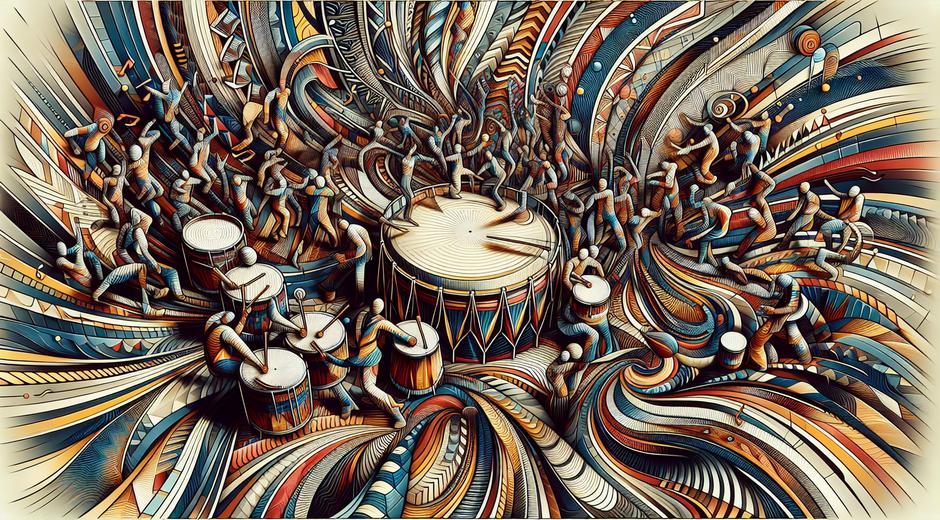


Local rhythms: Discovering the Heartbeat of Place
Local rhythms are the audible and invisible forces that shape how a place feels and how people move through it. From the morning calls of street vendors to the measured tempo of evening gatherings the cadence of a town creates a unique sense of identity. Exploring local rhythms helps travelers and residents alike understand traditions daily routines and the subtle patterns that define a community.
Why local rhythms matter
Local rhythms matter because they tell stories that guide behavior and create belonging. When you arrive in a new city the sound of bicycles on cobbled lanes the regular flow of commuter traffic the sequence of market stalls opening and closing can be as informative as a map. These patterns reveal where people work how they celebrate and how they conserve time and energy. For anyone curious about culture paying attention to local rhythms is a gentle way to learn without needing language or formal introductions.
How to listen to local rhythms
Listening to local rhythms requires slowing down and practicing presence. Begin by choosing a spot where people naturally gather. It might be a plaza an open market or a river bank. Sit quietly and notice repetition and variety. Are there voices that return at regular intervals? Do particular colors or textures appear at certain times? Observe how the rhythm changes across the day. Morning routines will differ from midday patterns which will differ from evening rituals.
Try to document what you find. A simple note book is enough for short sketches. If you prefer digital tools you can record ambient audio or capture short videos to study the tempo and layering of sound. For travelers who wish to share their observations with a wider audience a natural next step is to post stories photos and reflections on platforms that celebrate place based narratives such as tripbeyondtravel.com where local voices meet curious readers.
Everyday examples of local rhythms
Markets are one of the clearest expressions of local rhythm. In many places vendors set up stalls early in the morning and take a mid day pause before a busy afternoon. The arrangement of stalls the way sellers shout prices and how customers negotiate all follow patterns passed down through generations. Religious events and cultural ceremonies are another kind of rhythm. They mark seasons life stages and collective memory. Even public transport follows its own cadence. Buses trains and ferries arrive on timetables shaped by urban design economic need and social habits.
How local rhythms shape food and craft
Local rhythms are tightly woven into the production of food and crafts. Farmers plant and harvest according to weather and soil cycles while artisans choose times of day that favor certain tasks. Night time may be for curing or drying while daylight is for finishing and selling. When you taste local cuisine you are tasting layers of rhythm. A recipe that takes hours to slow cook honors a time rich tradition while a snack sold from a cart is a response to commuter tempo. Noticing these patterns enriches the eating experience and helps visitors appreciate the labor behind every flavor.
Balancing tourism and local rhythm
When tourism grows quickly it can disrupt local rhythms. Crowds arriving at the wrong hour can crowd markets while late night entertainment may interrupt traditional sleep patterns. Responsible visitors learn to adapt. They check local calendars visit during off peak hours and support enterprises that respect community tempo. Some communities create frameworks to preserve daily rhythms by scheduling tourist activities at times that cause minimal disruption. Travelers who respect local time frames often find deeper connections and more authentic experiences.
Capturing local rhythms with modern tools
Technology lets us capture and share local rhythms in ways that were not possible before. Simple audio recorders and compact cameras help preserve fleeting sounds and images. If you want to learn about the gear that will help you record ambient sound or stitch together field notes a helpful resource is Techtazz.com which covers equipment basics and practical tips for story makers. Use these tools as a way to amplify local voices rather than to replace them.
Stories from the field
Consider the example of a small riverside town where fishermen set out at dawn and the market flows until the sun is high. A traveler who arrived midday missed the early morning net mending and the evening negotiations that balanced supply and demand. By adjusting schedule and staying overnight the traveler learned the rhythm of tides of conversation and commerce. That person returned home with images and stories that captured the town more truthfully because they honored its timing.
How to include local rhythms in your own storytelling
When you write about place begin with temporal details. Mention what time of day an event happened what the weather felt like and how people moved. These details anchor your reader and make the story feel lived in. Include sensory notes about sound and smell. Describe the repetition that structures the day. Adding these elements transforms a list of sights into a narrative that readers can walk through. If you publish your writing pair it with short audio clips or sequences of images that echo the cadence you describe.
Local rhythms as a tool for community resilience
Communities that understand their rhythms can respond better to change. They can schedule public services when they are most needed and plan events that complement rather than compete with daily life. During times of crisis local rhythms become even more important. Established patterns of mutual aid and information sharing allow communities to mobilize quickly. Observing and documenting these rhythms is therefore not only a cultural practice but a civic one.
Conclusion
Local rhythms are everywhere. They exist in the way markets open the way children play and the way songs are sung at dusk. By learning to listen and to document those patterns we can travel more thoughtfully and tell richer stories. Whether you are a visitor or a resident the practice of noticing rhythm deepens your connection to place and to people. For storytellers and travelers who want to share insights about place platforms such as tripbeyondtravel.com offer space to publish tales that honor local pace and sound.