

Local traditions That Shape Travel Stories
Local traditions are the living memory of a place. They offer travelers the chance to move beyond guidebook pages and enter human worlds that have evolved over centuries. When you seek out local traditions you do more than collect photos. You collect cultural insight community practices and shared values that reveal why places feel the way they do. This article explains why local traditions matter and how to experience them with respect insight and curiosity.
Why Local traditions Matter
Local traditions are the glue that holds communities together. They teach younger generations social skills and historical knowledge. They provide rhythms to daily life and mark important moments such as births weddings harvests and seasonal changes. For visitors local traditions transform a trip into a learning experience. They give context to architecture music food and public rituals. From folk dances to market days local traditions make destinations feel authentic and alive.
How Local traditions Enhance Travel
When travelers engage with local traditions they gain a deeper appreciation of place. Observing a traditional ceremony or tasting a heritage recipe reveals values that are not written on plaques. Local traditions can also be powerful storytellers. A community story about a mountain river can illuminate past conflicts trade routes and spiritual beliefs. This kind of knowledge elevates ordinary sightseeing into meaningful travel that respects people and history.
Responsible Ways to Experience Local traditions
Respect is the single most important principle when encountering local traditions. Always ask permission before photographing people especially during ritual moments. Dress in ways that show you value local norms and follow guidance from community members. Many traditions have sacred aspects that are not open to visitors. When in doubt seek local hosts or guides who can explain appropriate behavior and provide context. Responsible participation helps keep traditions alive and ensures that cultural exchange is reciprocal.
Preparing to Meet Local traditions
Preparation matters. Read about a region and learn basic phrases to show courtesy. A simple greeting can open doors and create moments of connection. Learn when important festivals occur and what they commemorate. Timing your visit to coincide with a local event can enrich your travel but be mindful that popular dates may also bring crowds. When possible prioritize small scale celebrations and community led events where local people are the primary participants.
Food and Local traditions
Food often embodies local traditions in a way that is both accessible and memorable. Every street meal every family recipe can be a window into local history climate and trade. If you want to explore local food traditions deeply consider resources that focus on heritage recipes and food culture. For a focused guide to flavors and culinary histories visit TasteFlavorBook.com which highlights the stories behind traditional dishes and offers practical tips for tasting with respect.
Festivals rituals and public ceremonies
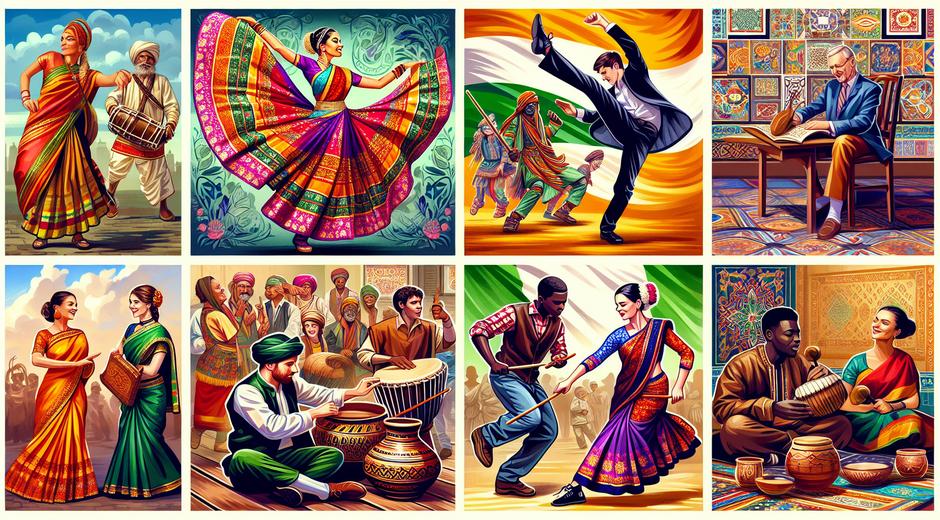
Festivals are among the most visible local traditions. They often combine music dance costume and food in ways that celebrate identity and resilience. When attending a festival observe first then participate. Learn about the origins of the event and any taboos associated with it. Simple gestures such as arriving on time following seating protocols and using appropriate language can make a positive impression. Remember that many festivals are moments of communal repair joy and memory so approach them with sensitivity.
Traditional crafts and artisans
Handmade crafts tell layered stories about materials methods and regional aesthetics. Visiting workshops and buying directly from artisans supports local economies and ensures fair exchange. Ask artisans about their techniques and the meanings behind motifs. Respect intellectual property by avoiding mass produced imitations marketed as authentic. A meaningful purchase supports continuity of craft and helps keep skills alive for future generations.
Language and oral tradition
Language is a living archive of local traditions. Proverb stories and poems carry cultural logic that may not translate easily. Even if you learn a few phrases from a local language you demonstrate interest and respect. Listening to elders tell stories provides insight into values community norms and historical changes. Oral tradition often preserves alternative narratives that are absent from official histories. These narratives enrich your understanding of place and people.
Etiquette and cultural cues
Every culture has its own etiquette and cues. Simple actions such as how you greet someone where you sit or how you present gifts can matter deeply. When in doubt observe local behavior and follow it. If your actions unintentionally disrespect a tradition apologize and learn from the experience. Local people often appreciate a sincere effort to understand their customs and will respond with warmth when you show humility and curiosity.
Photography and consent
Photography is a powerful but sensitive way to document local traditions. Many communities are weary of being photographed without consent. Always ask permission before taking portraits and avoid using a flash during rituals. Respect signs that restrict photography and be aware that some images can be used in harmful ways online. Sharing images back with subjects when possible is a kind way to create reciprocity and to honor the people who shared their traditions with you.
Supporting sustainable local traditions
Sustainable travel practices help traditions endure. Choose accommodation community tours and restaurants that are owned or managed by local people. Participate in donation programs that prioritize cultural preservation and education. When buying souvenirs ask about materials provenance and whether artisans received fair compensation. Supporting locally led initiatives ensures that financial benefit returns to the communities that sustain traditions.
Stories from the field
Travelers often return home with a single story that changed their perspective. One traveler described arriving at a small coastal village during a harvest ritual where families decorated boats with flowers and songs. She said the experience reframed her view of food production and community resilience. Another traveler shared how learning a childhood rhyme from a granny in a remote valley opened access to a network of local guides poets and cooks. These stories show how local traditions create bridges between visitors and communities when approached with respect.
Practical tips for immersive engagement
Plan ahead but stay flexible. Ask local tourism offices about community led experiences. Hire local guides to deepen your understanding and to ensure your presence supports the community. Carry small gifts if appropriate and learn about gift giving customs before offering anything. Be ready to listen more than you speak and to accept that not all curiosities can be satisfied. The most valuable souvenir of a visit to local traditions is the memory of an exchange that honored both visitor and host.
Where to learn more
To explore more stories and local tradition guides visit trusted travel resources and community platforms that highlight human centered experiences. For an ongoing collection of narratives guides and tips you can return to tripbeyondtravel.com where we publish stories that help you travel beyond surface level encounters and into meaningful cultural exchange.
Conclusion
Local traditions are more than attractions. They are living systems of knowledge and care that make travel meaningful. By approaching these practices with respect curiosity and responsible habits you support their continuation. Whether you attend a small ceremony learn a recipe from a neighbor or simply listen to an elder tell a story you contribute to cultural exchange that values people first. Travel guided by this ethic becomes a practice of mutual learning and appreciation.