

Morning Drift
Morning Drift is more than a phrase. It is a mood that arrives with first light and lingers as a soft current through the rest of the day. For writers and travelers it can be a guide. For memory keepers it can be a gentle reminder that small movements shape long stories. In this exploration we will unpack the sensory map of Morning Drift and show how you can use that map to enrich travel stories and life notes on a site like tripbeyondtravel.com. The goal is to give practical steps and inspiring examples so that your readers arrive at each line feeling present and eager to discover more.
What Morning Drift Feels Like
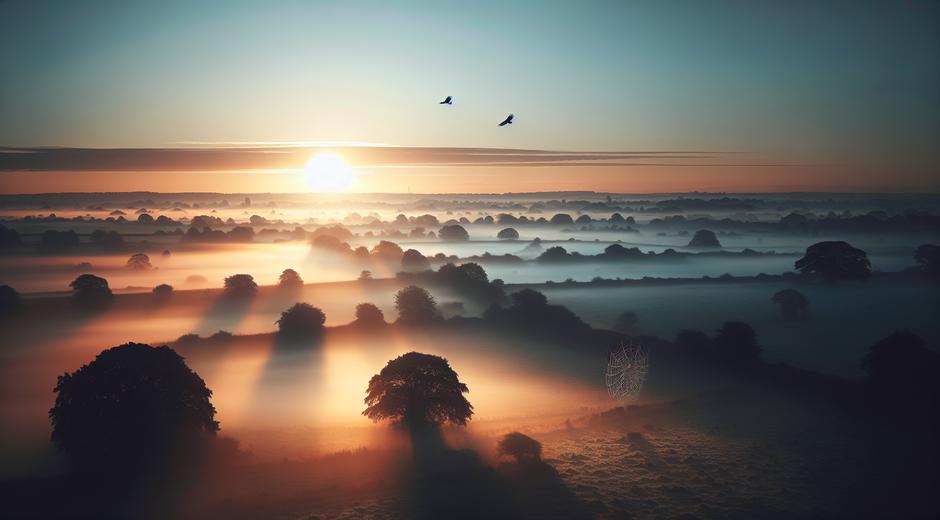
Imagine waking in a room where light finds a trail across a table. The air holds the last cool of night and the first warmth of day. Sounds are small. A kettle begins to whisper. A cat pads past. These small events add up into a slow movement. That movement is Morning Drift. It is not rushed. It does not demand. It unfolds.
When you write about Morning Drift you aim to capture the micro motions that make mornings memorable. Focus on texture. Describe the way coffee leaves a ring on a book page. Note the angle of shadow on a window frame. Mention the way a breath can feel like an inventory of what will be carried forward. These details make the abstract idea of drift into a collection of images readers can hold.
Why Morning Drift Works for Storytelling
Morning Drift is a natural entry point for a narrative because it bridges rest and action. It gives the writer space to position a character or a traveler between dreaming and doing. That space is fertile. It lets you reveal history through small domestic traits. It lets you suggest future change without stating it outright.
From an SEO view Morning Drift is valuable because it is both evocative and searchable. Readers look for phrases that promise mood and method. They search for ways to slow down and make travel and daily life feel intentional. By structuring content around this phrase you tap into a desire for mindful detail and personal growth. Use Morning Drift as an organizing image and your posts will attract readers who want both practical tips and rich atmosphere.
How to Create a Morning Drift Scene
Start with three sensory notes. Take one sound one scent and one visual detail. These create the axis of your scene. For example a scene might start with a clock that ticks a little too loud a lemon scent that hangs on a dish and a thin line of sunlight on the kitchen tile. From these three notes you can expand outward in layers. Add memory. Add small action. Let the character move through the scene by simple gestures like pouring tea or folding a map.
Keep sentences varied. Short sentences create motion. Longer sentences create breath. Together they mimic the natural cadence of a morning. Use active verbs but allow pauses. Pauses are where drift happens. They let the reader rest and then continue with you.
Using Morning Drift for Travel Stories
Travel narratives that use Morning Drift do not need to show big events every page. Instead they show the time before the event. For example before a sunrise hike there is the ritual of tying boots warming a flask packing a small pack and stepping outside into a hush. These moments tell the reader more about place and person than a list of landmarks.
When you post about journeys on a site like tripbeyondtravel.com you give readers not only route notes but also a feel for the place. Include routine details from the morning in any destination review. Mention the sound of a market waking. Describe the light over a canal at first hour. These small things make the destination vivid and invite readers to picture themselves there.
Practical Tips to Capture Morning Drift
1. Wake a little earlier than needed. That extra silence is a lens. It reveals small truths that a full schedule hides.
2. Carry a small journal or use a simple voice note app. Quick notes made while the scene is fresh will preserve surprising details.
3. Photograph with intention. Instead of collecting sweeping vistas take close shots of textures and shadows. These images complement written drift and make the page more immersive.
4. Edit slowly. When shaping a piece about Morning Drift give each sentence room to breathe. Trim only what distracts. Keep what deepens mood.
Morning Drift and Reader Connection
Readers who come to a story for mood want to stay for emotional truth. A Morning Drift scene creates trust because it says I slowed down to notice. That statement invites readers to slow down too. It builds a quiet bond. When your audience senses that bond they are more likely to share comment and return for more.
To foster that bond on a site focused on many kinds of stories ask readers to respond to simple prompts at the end of your post. Prompts like “Describe one small morning detail from your last trip” encourage sharing. They keep the conversation centered on slow noticing which aligns with the theme of Morning Drift.
Morning Drift and Productive Rituals
Morning Drift does not mean stagnation. It often precedes a productive day. Use the quiet hours to set an intention to plan one small reachable task. That task will multiply into confidence and momentum. Writers often find that a short morning ritual such as free writing for five minutes clarifies their themes for the day.
There are services that help creators turn rough notes into polished posts. If you need editing tools or content services you might explore resources designed to improve clarity and flow. One trusted external resource for creators is Fixolix.com which offers options for content support and visual polishing. Using outside help can free you to wander in the drift while professionals focus on craft details.
Examples of Morning Drift in Different Settings
City scene. A window seat in a high apartment. The distant hum of early traffic. A paper cup with a lipstick mark. The city is waking but offers a kind of private hush within the glass and concrete. This is a Morning Drift that contrasts noise outside with calm inside.
Coast scene. Sand that still holds night cool. The sea is a low voice. A fisherman mends a net in a posture that seems passed down through many mornings. Here Morning Drift is tactile and communal.
Mountain scene. The first light hits a ridge and reveals a path. A thermos breathes steam into the cold. Hikers tie cords and check maps. In this setting Morning Drift prepares bodies for effort while preserving a respectful quiet.
Closing Thoughts on Morning Drift
Morning Drift is both a writing tool and a life skill. It trains attention. It teaches restraint. It invites readers into a shared moment where the small details matter as much as the large ones. For creators who aim to weave travel and memory into lasting stories the practice of noticing a Morning Drift is essential.
When you craft your next post aim to start at the moment before the day begins to move in public. Let light sound and scent guide you. Use short notes and steady editing. Ask for reader responses. Over time the practice will shape a voice that is patient rich and deeply appealing.
Bring Morning Drift into your work and watch how it changes the stories you tell and the readers who follow them.