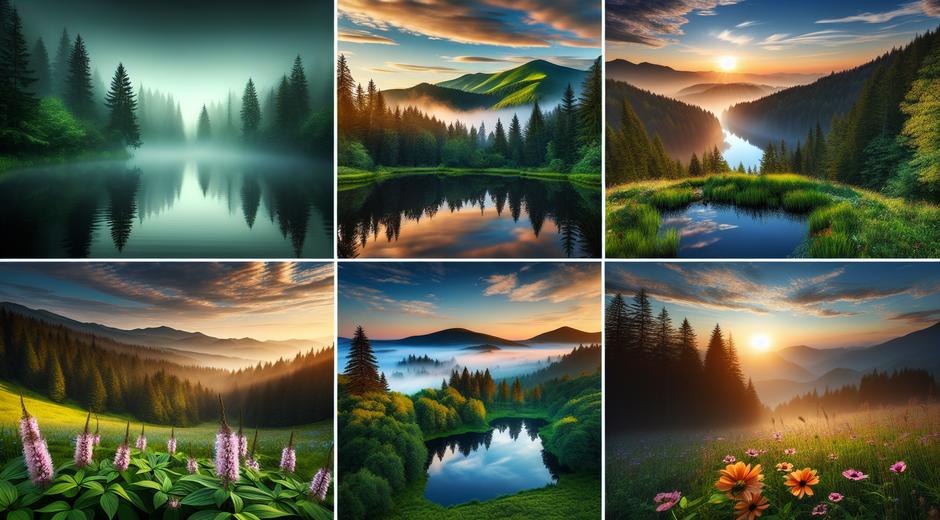


Mountain hideaways Discover Quiet Places Above the Clouds
Why choose a mountain hideaway
Mountain hideaways offer a unique mix of solitude and inspiration that few other places can match. Whether you seek a quiet cabin by a pine lined lake or a small lodge tucked into an alpine meadow the appeal is clear. Clean air fills your lungs trails lead to vistas that change with the light and nights bring a sky full of stars. For many travelers a stay in a mountain hideaway is a reset button for body and mind. This article explores how to choose the right place what to pack and how to travel with care so your experience is both memorable and responsible.
Types of mountain hideaways to consider
Cabins made of wood and stone feel timeless. They are simple warm and often placed near trails and rivers. Chalets with large windows bring the outside in and are perfect for groups who want comfort and views. For a more intimate stay tiny lodges and guest cottages provide privacy and a sense of place. Some travelers prefer unique stays such as converted barns or small historic houses that carry the stories of the region.
For a close to nature experience look for lodges that offer access to guided walks wildlife viewing and local food. If you plan to explore on your own choose a base that gives easy access to trail heads and amenities. Families may prefer places with open living spaces while solo travelers may enjoy small cabins with cozy reading nooks.
How to find the right mountain hideaway
Start with your priorities. Do you want complete solitude or a place near a small town with cafes and shops? Are you planning a winter stay with snow activities or a summer escape for hiking and swimming? Once you know the season and the style of stay narrow your search by reading recent reviews and looking at maps for elevation access and nearby services.
Use trusted travel resources and community pages to gather firsthand reports from guests. For destination inspiration and curated stories about memorable stays check curated travel pages and personal narratives on sites that celebrate regional culture and hidden gems. If you prefer to explore our own collection of stories and curated guides visit tripbeyondtravel.com for ideas and detailed reads that highlight unique mountain hideaways around the world.
Best time to book and when to visit
Timing matters. Peak season brings better weather and full access to services but also crowds. Shoulder season often gives a balance of milder weather and fewer visitors while prices may be lower. Winter offers a quiet solitude and crisp mornings where every breath creates a small cloud but services may be limited and travel routes can be harder to manage.
Booking in advance pays off for popular destinations but last minute trips can be rewarding if you are flexible. If you plan to drive to remote locations allow extra time to reach your destination and verify road conditions. For detailed advice on vehicle preparation and tips for safe driving in changing terrain you can find useful guides and resources at AutoShiftWise.com which help travelers understand vehicle needs for remote journeys.
What to pack for a mountain hideaway
Packing smart makes your stay simpler. Layered clothing works best for mountain climates where temperature can change through the day. Bring a waterproof jacket warm base layers and sturdy shoes suitable for varied trails. A compact first aid kit high quality socks and a head lamp are small items that make a big difference. If you plan to cook bring basic spices and a favorite tea or coffee to enjoy on a quiet morning.
Consider gear that supports quiet recreation. Binoculars a journal and a camera help preserve memories without adding weight. For extended stays bring items that add comfort such as a soft blanket a refillable water bottle and a small portable charger. Keep trash reduction in mind by packing reusable containers and biodegradable soaps.
Activities to enjoy at a mountain hideaway
Mountain hideaways offer activities that move at a relaxed pace and allow deep connection with place. Short hikes and sunrise walks reveal wildlife and forest mood. Bird watching photographic hikes and star gazing are quiet ways to fill days. For active travelers longer treks and ridge walks provide challenge and reward. In winter there is skiing snowshoeing and cozy evenings by the stove.
Local culture enriches your visit. Seek out nearby markets craft shops and seasonal festivals. A meal shared with local hosts or a stop at a family run cafe often becomes the most lasting memory. If you enjoy learning bring a guidebook about local flora and fauna or arrange a field walk with a local naturalist.
How to be a responsible guest in mountain places
Respect for local ecosystems and communities ensures these places remain special. Follow marked trails pack out what you pack in and avoid disturbing wildlife. Use water sparingly and be mindful of noise especially at dawn and dusk when animals are most active. If a property uses local staff or sources local food honor those efforts by supporting small producers and leaving honest feedback.
Learn simple safety practices such as telling someone your route and expected return time and carrying a map and compass if you plan to venture off main trails. Many mountain communities rely on seasonal visitors to support livelihoods so consider booking stays that give back to the local economy.
Stories that inspire your next stay
Personal stories capture why mountain hideaways matter. A writer who spent a month in a small cabin learned to listen again to the rhythm of rain and wind. A family who booked a simple lodge discovered shared joy in baking bread together and in watching their children chase fireflies at dusk. Solo travelers returned with sketches and notes that shaped future projects and friendships formed with hosts became a reason to return.
Stories also teach practical lessons. One traveler noted that a slow arrival on foot rather than driving straight to the door allowed time to adjust to altitude and to notice small details in the landscape. Another guest recommended checking stove fuel supplies and local grocery hours before arrival to avoid surprises. These small plans lead to smoother stays and more time for wonder.
Planning your first mountain hideaway stay
Begin by choosing a region and reading stories from people who have already visited. List must have items for packing and a short itinerary that includes rest time. Check weather reports and local travel advisories and confirm that the route to your place is open. If you plan to drive make sure your vehicle is prepared and that you understand tire and brake needs for mountain roads especially in seasonal changes.
Finally allow room for slow time. The best part of a mountain hideaway is the ability to do nothing at all while the world goes on outside your window. Leave a little space in your schedule for an unplanned walk a long meal or an afternoon nap. These low pressure moments often become the highlight of a trip.
Final thoughts
Mountain hideaways are more than places to sleep. They are invitations to slow down to listen to the land and to rebuild a sense of calm. With careful planning and a thoughtful approach you can find a stay that fits your style from rustic cabins to small cozy lodges. Use trusted resources to plan your route confirm conditions and prepare your vehicle if needed and let stories from other travelers guide your choices. For inspiration and curated narratives that bring unique mountain hideaways to life explore our site and keep an eye out for stories that call to you.
Whether you seek a weekend escape or a longer stay to write create or recover a mountain hideaway can be the perfect place to find peace and surprise.