

Nature retreats A Complete Guide to Reconnect and Restore
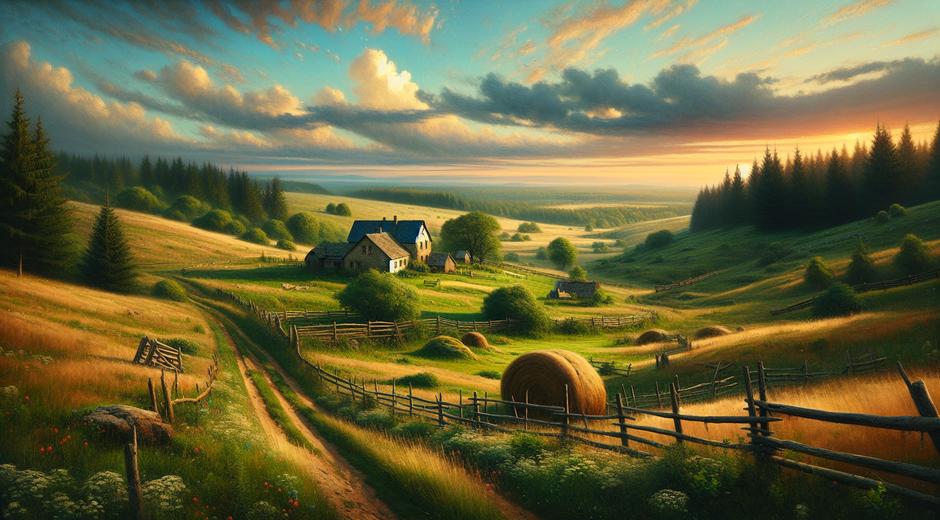
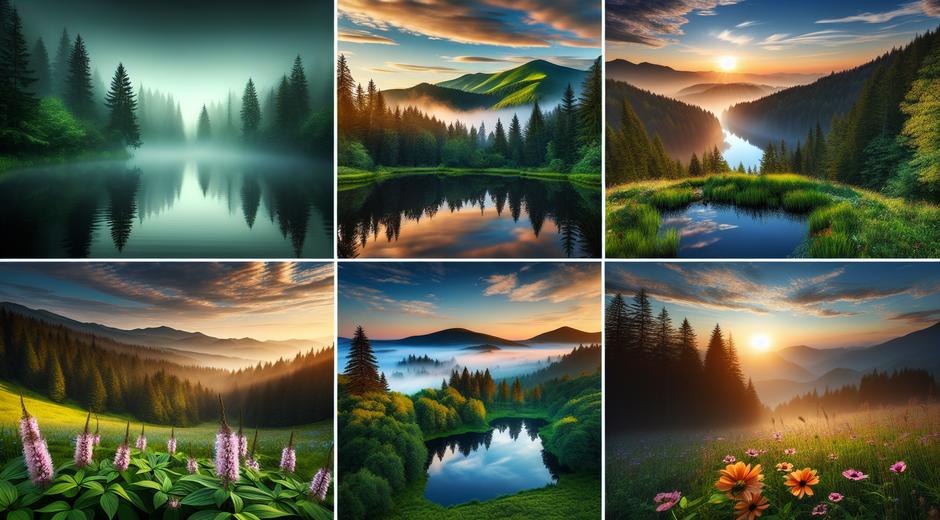
Nature retreats are more than a getaway from daily routine they are a chance to reconnect with the natural world and with yourself. Whether you seek quiet forests coastal marshes or high mountain meadows a stay in nature can restore energy improve mood and sharpen focus. This guide explores the types of Nature retreats who they benefit how to choose one and tips for planning a meaningful stay that aligns with personal goals and values.
Why choose a Nature retreat
There is growing scientific evidence that time spent in natural settings improves physical and mental health. Short term exposure to green spaces can lower stress levels reduce blood pressure and improve sleep. Longer stays often lead to more profound shifts in perspective increased creativity and a lasting sense of calm. Nature retreats provide a structured opportunity to slow down unplug from screens and practice intentional living. For those seeking creative rejuvenation or spiritual renewal a Nature retreat offers a supportive environment without the usual pressures of home.
Types of Nature retreats
Nature retreats come in many forms so it is important to match the retreat type to your expectations. Popular formats include:
– Silent retreats where guests focus on inner reflection often with guided meditation sessions.
– Activity based retreats that include hiking bird watching kayaking or gentle yoga in scenic settings.
– Family friendly retreats that offer outdoor play and educational programs for children.
– Immersive wildlife retreats that emphasize observation and learning about local ecosystems.
– Luxury lodge retreats that combine comfort and cuisine with curated nature experiences.
Some people prefer rustic cabins others seek resort style accommodations. Choices will depend on comfort needs budget available time and the desired intensity of the experience.
How to choose the right Nature retreat
Choosing the ideal retreat requires clarifying goals. Ask yourself what you hope to gain. Do you want to rest and recover or to learn a new outdoor skill? Are you traveling alone with a partner or with family? Once goals are clear consider the following factors:
Location Choose a landscape that resonates with you forest lakes coast mountains. Consider travel time and ease of access.
Program intensity Look for a retreat that matches your fitness level and interest in structured activities.
Accommodation Decide how basic or comfortable you want your lodging to be.
Group size Smaller groups often allow deeper connection while larger settings may offer more social opportunities.
Facilitator credentials If the retreat includes guided practices confirm leaders have appropriate training and positive reviews.
Season Consider how weather will affect activities and wildlife viewing.
Budget Balance cost with expected value keeping in mind that a higher price can reflect better guides equipment or curated experiences.
Planning your Nature retreat stay
Advance planning makes the experience smoother. Start by researching retreats that specialize in the landscape and practices you want. Read reviews and reach out to organizers with questions about arrival logistics dietary needs and mobility concerns. Pack intentionally focusing on layers proper footwear and any gear specified by the retreat. Include a small journal and a compact camera to capture insights without becoming consumed by technology. If you need to stay connected for emergencies set expectations with family or colleagues and choose limited check in times so you can remain present.
If you want curated ideas and cultural pairings for your nature itinerary consider trusted resources that list museums galleries and local attractions for daytime exploration. For planning that balances outdoor immersion with regional culture visit Museatime.com to discover options that enrich your retreat schedule.
What to expect during a Nature retreat
Retreat rhythms vary but most include a mix of guided sessions free time and communal meals. Mornings may start with gentle movement or nature walks while evenings often offer reflection periods or storytelling around a fire. Facilitators create boundaries that support group cohesion and personal reflection. If silence is part of the program you will be given clear guidance on how communication works to maintain the intended atmosphere. Expect to disconnect from many digital distractions and to notice how senses heighten in response to natural light sounds and textures.
Benefits beyond the stay
The benefits of a Nature retreat often extend far beyond the days spent on site. Participants frequently report improved emotional regulation increased clarity in decision making and a renewed commitment to healthier routines. Time in nature can also inspire sustainable living choices and motivate ongoing outdoor exploration. Integrate small habits from the retreat into daily life such as a morning stretch outdoors a weekly nature walk or mindful breathing practices to preserve gains.
Packing list essentials for a Nature retreat
Pack simple durable items that enhance comfort and safety. Essentials include weather appropriate clothing layered for temperature changes a reliable pair of shoes suitable for terrain a refillable water container and basic first aid items. Bring sun protection a hat and insect repellent if recommended by the retreat. A compact journal and pen support reflection and a small flashlight helps with evening movement. Avoid overpacking to preserve the sense of lightness that often accompanies a Nature retreat experience.
Budgeting and choosing value
Retreat pricing reflects location facilitator expertise included meals and the ratio of staff to guests. Rustic stays with minimal services are often more affordable while curated programs with expert guides and gourmet meals will command a premium. Consider what aspects you value most and plan accordingly. Many providers offer sliding scale pricing scholarships or off season discounts so inquire about options that fit your budget. Booking early can secure preferred dates and lodging options.
Safety and sustainability
Safety should be a priority. Confirm emergency plans and accessibility options. Share relevant medical information with organizers and follow guidance for wildlife encounters and trail safety. Sustainable practices are also central to ethical retreat design. Support providers who minimize waste respect local ecosystems and engage with community partners. Leave no trace principles preserve the landscapes that make Nature retreats possible for future visitors.
Finding retreat inspiration and next steps
If you are ready to explore Nature retreats start by compiling a short list of retreats that match your desired landscape and program type. Read participant testimonials compare facilitator backgrounds and ask questions about daily schedules and logistics. For additional ideas and stories about inspirational travel and local cultural pairings visit our main site where we share curated itineraries and personal accounts from past guests tripbeyondtravel.com. That resource can help you narrow choices and plan a retreat that fits your rhythm and goals.
Nature retreats invite you to step away from routine and rediscover a sense of belonging in the natural world. With thoughtful planning and clear intent a retreat can be a turning point in your well being and creative life. Start small if you need to and allow each visit to deepen your relationship to place and to self.