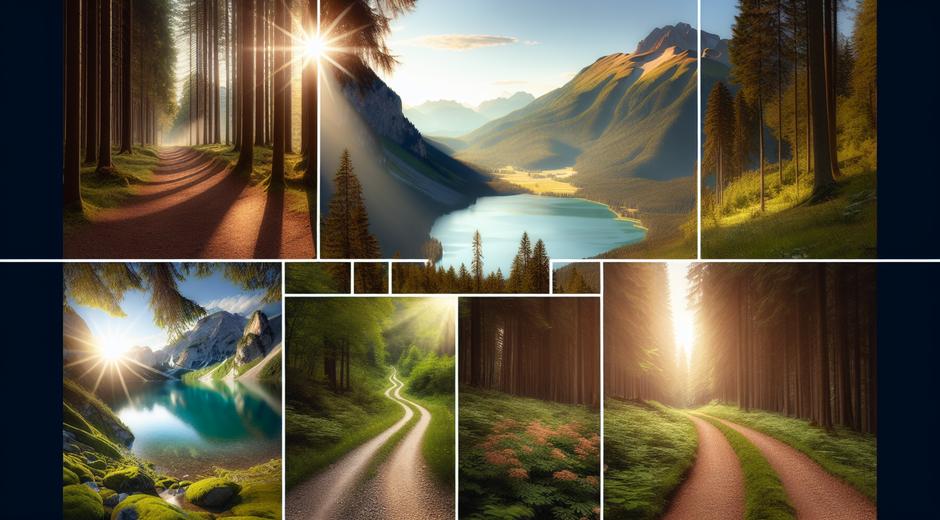


Nature Travel Paths: A Complete Guide to Finding Your Perfect Trail
Nature Travel Paths capture a longing many modern travelers feel. They offer routes that lead away from crowded spots and toward quiet forests lakes and wide open skies. Whether you are an experienced trail seeker or a curious beginner every path has a story to tell. This article explores how to choose plan and enjoy Nature Travel Paths while leaving a light footprint and gaining the most from each journey.
Why Nature Travel Paths Matter
Nature Travel Paths are not just routes on a map. They connect people to ecosystems cultures and moments in time. Walking these paths can improve mental focus physical health and global awareness. Trails reveal seasonal changes local wildlife and traditional land uses. They offer a chance to practice slow travel and to deepen appreciation for natural rhythms. For communities near these routes tourism can mean new income while also creating incentives to protect natural areas.
How to Choose the Right Path for You
Choosing a Nature Travel Path starts with a clear idea of what you want from the experience. Ask yourself whether you seek solitude cultural interaction or bird watching. Consider the length of the trail the elevation changes and the type of terrain. Research the best seasons for visiting and the permits that may be required. Reading recent trip reports helps you gauge current conditions and the level of maintenance. If you enjoy variety consider routes that pass through forests wetlands and meadows, so each day brings new scenery.
Planning Essentials for Safe and Joyful Trails
Good planning makes every Nature Travel Path more enjoyable. Start with a realistic timeline for daily distances and rest periods. Check weather forecasts and leave a plan with a trusted person who can act in case of emergency. Carry maps and a compass and know basic navigation skills. Even when trails are well marked you may encounter unexpected closures or washed out sections so flexibility is important. Pack layers of clothing for sudden temperature changes and protect yourself from sun and insects with suitable gear that is light and durable.
Packing Guide for Nature Travel Paths
When preparing gear focus on essentials that support comfort and safety. Choose footwear with good traction that suits the terrain and break them in before long walks. A small first aid kit a refillable water container and a method of water purification are vital. Bring high energy snacks and simple meals that require little preparation. A headlamp or small torch is useful even for day trips in case you are delayed. Carry a lightweight emergency shelter and a whistle for signaling if needed. While packing try to reduce waste by choosing reusable items and compact packaging.
Respectful Behavior on Trails
Respect for nature and local cultures is central to Nature Travel Paths. Stay on designated trails to protect fragile vegetation and to prevent soils from eroding. Carry out all your trash and follow local rules about campfires pets and camping locations. If you encounter wildlife observe from a distance and avoid loud noises. When interacting with people along the route be mindful of local customs and ask permission before photographing anyone. These small acts of courtesy help maintain good relations between visitors and host communities.
Ways to Enrich Your Trail Experience
To make the most of Nature Travel Paths build time into your itinerary for observation and learning. Bring a small field guide to identify plants birds and insects. Practice mindful walking by slowing your pace and noticing details you might usually miss. Try journaling or sketching brief moments from your day. If you travel with others create time for shared reflection at the end of each day. Connecting with fellow travelers and local guides can reveal stories about the land and its history that you will not find in guidebooks.
Keeping Trails Sustainable
Sustainability ensures that Nature Travel Paths will remain accessible and healthy for future visitors. Support local conservation groups and consider contributing time or funds when you can. Choose lodging and tour operators that employ local people and that follow responsible practices. Avoid single use plastics and be careful with water use in sensitive regions. When you share your experiences online emphasize responsible travel practices to inspire others to protect the places they visit.
Resources and Inspiration
There are many sources for discovering new Nature Travel Paths. Travel forums mapping apps and local tourism offices provide up to date information. For a collection of stories and routes that celebrate the spirit of exploration visit tripbeyondtravel.com where writers share personal accounts and practical tips. If you are looking to build skills for planning or sharing your journeys consider resources that offer course materials and guides such as StudySkillUP.com which can help deepen your knowledge of travel research storytelling and outdoor safety.
Top Tips for First Time Trail Walkers
Begin with short day trips to build confidence. Choose trails with clear signage and moderate terrain. Practice packing light and test your gear on shorter outings so you know what to expect. Learn basic first aid and leave an itinerary with a friend. Start early in the day to avoid the heat and to allow flexibility for unexpected delays. Finally focus on the journey rather than the distance. Some of the most memorable moments on Nature Travel Paths occur when you slow down and truly look around.
Conclusion
Nature Travel Paths are invitations to connect recharge and learn. They offer experiences that combine physical activity cultural exchange and quiet reflection. With thoughtful planning and a respectful attitude you can discover routes that match your interests and values. Protect the places you explore and share your experiences to inspire others. Whether your next step is a short trail near home or a multi day route in a far off landscape each path has the power to transform how you see the world.