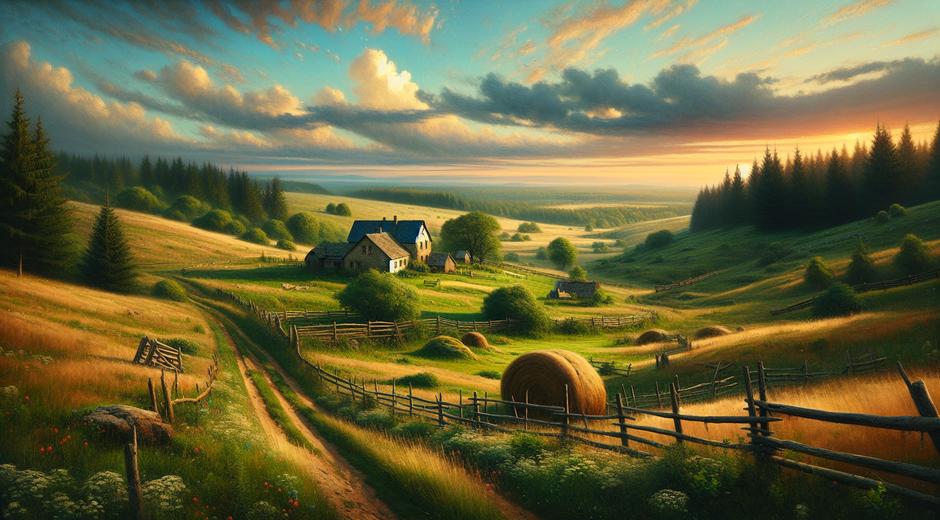


Rural landscapes The Quiet Power of Country Vistas
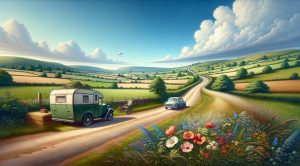
Rural landscapes invite a kind of attention that city scenes rarely allow. They provide wide spaces where the eye can travel without interruption and where the sound of life often arrives at a calmer pace. From rolling fields to scattered woodlands and from winding lanes to small clusters of farms and villages rural landscapes shape the way people live work and imagine. This article explores why these places matter how to experience them respectfully and how to capture their spirit whether you are a traveler a photographer or someone who simply wants a fresh perspective.
Why Rural landscapes Matter
At the most basic level rural landscapes are the settings for food production water management and natural habitat. They are where crops grow and where many animals find their home. Beyond utility however rural scenes carry cultural memory. Traditional farmsteads old stone walls and village greens are records of generations of life and labor. Preserving these views is not only about keeping scenery in place it is about maintaining local identity and continuity of practice.
People who live in rural places often develop a deep knowledge of seasonal rhythms weather patterns and the cycles of soil. That knowledge contributes to biodiversity and helps maintain resilient systems that benefit wider regions. When we speak about conservation or sustainable planning rural landscapes are central not only for their immediate productivity but also for their role in climate mitigation and water retention.
The Feel of Weather and Season
One of the most powerful features of rural landscapes is their capacity to show change in a clear visible way. A leafed out oak in spring a wheat field in the glow of harvest a pasture blanketed in frost each of these scenes teaches us how ecosystems move through time. Visitors who time their trips to coincide with a particular season will often find a deeper sense of place. Early morning fog over a valley can feel like a revelation while late afternoon light across a row of hay bales can feel like a personal gift.
Culture Community and Local Skills
Rural life is not only about land it is about people. Crafts seasonal fairs local markets and family run shops all animate rural landscapes. These elements create social ties and economic activity that sustain villages and small towns. When travelers engage with local producers they bring value that supports traditions. Whether you taste a cheese made by hand buy vegetables from a roadside stall or learn a craft technique you contribute to a living practice that otherwise can be at risk.
For those who want to read more travel stories and find practical ideas for exploring less known places visit tripbeyondtravel.com where personal accounts and practical guides offer inspiration and guidance.
How to Experience Rural landscapes Respectfully
Visiting rural areas requires a thoughtful approach. Keep these principles in mind. First learn about local norms before you arrive. A short conversation with a host or vendor can reveal what is appropriate. Second stay on established paths when you hike and avoid driving across fields even if the surface appears solid. Third support local businesses and farmers by buying products or services from them. Fourth be mindful of noise and light especially in small communities where quiet and dark are part of the quality of life. Fifth leave no trace take waste with you and respect private property rules.
Travelers who are curious and respectful often find deeper rewards. A conversation over tea may introduce you to a hidden trail or a family recipe. Time spent listening will open access to stories that formal guides rarely capture.
Photography and Storytelling in Rural places
Photographers and writers are drawn to rural landscapes for their clarity and textures. If you want to capture these places consider these strategies. First pay attention to light hour by hour. Early morning and late afternoon light often reveal structure and depth. Second look for details that tell a story. A crooked gate an old tractor or hands at work can communicate a scene more powerfully than wide views alone. Third include people when possible. Human presence provides scale and context. Fourth vary your perspective. Get low to emphasize foreground textures or climb to a small rise to show patterns in a field.
When writing think about slow observation. Describe not only what you see but what you hear and smell. The creak of a gate the scent of hay the hum of insects these details make a narrative live. Stories that emerge from patient attention will invite readers to linger and to care.
Rural landscapes and Technology
Technology has transformed how people interact with rural spaces in both good and complex ways. Digital tools can help local producers reach wider markets allow visitors to discover hidden routes and support efforts in conservation and planning. At the same time rapid change can bring challenges to small communities when new visitors arrive without preparation. It is useful to learn how digital information shapes expectation and to act in ways that support local priorities.
If you follow trends in media or want to see how diverse forms of leisure and digital culture relate to place you may enjoy reading material on broader lifestyle topics at GamingNewsHead.com where writers explore the relationship between technology culture and living spaces.
Sustainable Travel and Preservation
To keep rural landscapes healthy travelers can make choices that reduce impact and support local resilience. Choose accommodations that follow local hiring practices and that use resources responsibly. Prefer producers who practice soil care water wise management and integrated pest practices. When you participate in agritourism choose hosts who operate at a scale that can absorb visitors without stress. Smaller group visits over time are usually less disruptive than large single events.
Supporting conservation projects and local cultural initiatives is another way to contribute. Donations and volunteer time are useful but the most immediate form of support often comes from responsible spending that helps keep local markets viable. When tourism dollars circulate in a village they help sustain services and encourage young people to remain or to return after training.
Practical Tips for Planning a Rural trip
Plan ahead for limited services. Rural areas may have fewer open hours for shops and clinics and no public transport. Bring necessary supplies and have contact numbers for local services. Pack clothing for sudden weather shifts and comfortable footwear for walking over uneven ground. Learn a few phrases in the local language if you travel to a place where another language is spoken. Respect local schedules especially around market days and religious observances.
Finally allow for unplanned time. The best experiences in rural landscapes often arise from slow wandering and from pauses when something unexpected appears. A field of wildflowers a local festival or a simple invitation to share a meal can become the highlight of a trip.
Conclusion
Rural landscapes matter for many reasons. They provide food and habitat they harbor culture and memory and they offer a stage for quiet reflection and slow discovery. Whether you visit to take photographs to learn craft skills or simply to breathe cleaner air your presence can help protect these places if you act with respect and curiosity. The more we value rural views the better chance we have to keep them healthy for future generations.