

Sea Routes
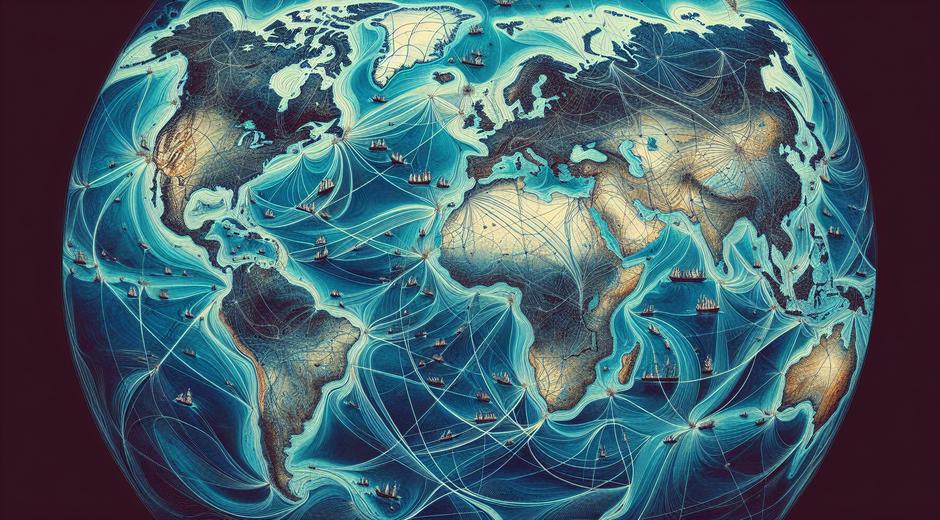
Sea Routes are more than lines on a map. They are living pathways that carry cargo people and stories across oceans and seas. From ancient trade lanes to modern shipping corridors Sea Routes shape economies connect cultures and inspire adventure. This article explores the history the planning the environmental impact and the future of Sea Routes while offering practical advice for travelers planners and storytellers who seek to go beyond ordinary journeys.
A brief history of Sea Routes
The history of Sea Routes is the history of human connection. Early mariners followed the stars coastal currents and the memory of winds to link cities and islands. Over centuries those informal pathways became established routes that supported trade in spices textiles and ideas. The arrival of advanced navigation instruments and chart making turned local knowledge into global networks. Colonial expansion introduced new Sea Routes that shifted economic centers and shaped the modern map of maritime commerce.
How Sea Routes are planned today
Modern Sea Routes require a blend of technology human expertise and legal planning. Shipping companies and maritime authorities use satellite data weather models and vessel tracking systems to design safe efficient paths. Planners consider fuel efficiency port fees and transit times while also accounting for seasonal weather patterns and maritime traffic. For cruise operators passenger comfort and scenic value are added priorities when selecting routes. For cargo carriers the focus is on predictability and cost control.
Port infrastructure plays a central role in shaping Sea Routes. Deep harbors efficient loading equipment and logistic hubs determine which ports become focal points of maritime networks. Political stability and bilateral agreements also influence route viability. The combination of these factors produces a dynamic map in which Sea Routes evolve as new infrastructure and policies emerge.
Economic importance of Sea Routes
Sea Routes carry over eighty percent of global trade by volume. That makes them the backbone of supply chains from raw material delivery to finished product distribution. Key Sea Routes like those connecting major manufacturing centers to consumer markets are critical arteries for the global economy. Disruptions along these routes can cause price shocks delivery delays and ripple effects across industries.
Emerging markets often invest in new maritime corridors to boost exports and attract investment. This creates opportunities for local economies to grow while also requiring careful planning to avoid over reliance on a single route or port.
Environmental impact and sustainability
The environmental footprint of Sea Routes includes emissions from ships noise pollution and risks to marine life from collisions and ballast water. As global awareness of climate change increases maritime industries are shifting toward cleaner fuels energy efficient vessel design and smarter route planning to reduce emissions. Slow steaming and route optimization help cut fuel consumption while new fuel types and power systems promise further gains.
There is also growing attention to protecting sensitive ecosystems along key pathways. Marine protected areas and seasonal routing measures can reduce harm to whales and other species. Industry collaboration with scientists and regulators helps balance the need for commerce with the health of the oceans.
Safety and security on Sea Routes
Safety is a top priority for sea carriers and passengers. Modern Sea Routes incorporate designated shipping lanes traffic separation schemes and collision avoidance protocols to reduce accidents. Vessel tracking systems and mandatory reporting help authorities monitor traffic and respond to incidents quickly.
Security concerns such as piracy and territorial disputes can alter route choices and increase costs. In high risk areas vessels may take longer paths or hire security services which affects transit time and overall expense. International cooperation and improved security measures help keep major Sea Routes open and efficient.
Cultural and storytelling value
Every Sea Route carries stories. Ports are stages for cultural exchange and Sea Routes trace the movement of people and ideas. Writers filmmakers and photographers find inspiration in the rhythms of the sea the personalities of port towns and the varied journeys of crew and passengers.
For readers who want to discover new narratives and practical travel advice visit tripbeyondtravel.com where a wide range of travel stories and guides highlight unexpected routes and the people who shape them. These narratives make Sea Routes tangible and help travelers choose passages that align with their interests.
Practical tips for travelers using Sea Routes
Travelers planning to use Sea Routes should consider timing onboard comfort and local connections. Research seasonal weather for your chosen route and select cabins or accommodations that match your comfort needs. When traveling on merchant ferries or cargo vessels obtain necessary documentation well in advance and communicate with operators about schedules and services.
Pack for variable climates and bring sea sickness remedies if you are sensitive to motion. Respect local regulations and customs when visiting port towns and consider booking guided shore excursions to learn the history and culture of each stop. Engage with crew and locals to gain insights that no guidebook can provide.
The role of technology in the future of Sea Routes
Technology is reshaping Sea Routes in many ways. Autonomous vessels smart port systems and improved weather prediction will make routing safer more efficient and more responsive to demand. Real time data allows operators to reroute vessels to avoid storms or congestion and to optimize speed for fuel savings.
Blockchain and digital documentation can streamline port clearance and reduce delays. That in turn can make Sea Routes more predictable and cost effective which benefits shippers and consumers alike. As technology becomes more integrated into maritime operations the resilience of Sea Routes will improve but so will the need for robust cyber security measures.
Case studies and notable corridors
Certain corridors stand out for their strategic importance. Narrow straits and chokepoints can influence global trade because many ships must pass through them. Seasonal Arctic passages present new opportunities for shorter transit times though they come with environmental and logistical challenges. Coastal feeder routes complement major corridors by linking regional ports to global hubs.
Each corridor has its own story of innovation resilience and adaptation. Studying these examples offers lessons in infrastructure investment environmental protection and international cooperation.
Wellness and comfort on long Sea Routes
Long voyages require attention to well being. Sleep stress and physical fitness affect how travelers experience the sea. Operators that prioritize wellness through nutritious food opportunities for exercise and restful accommodations create more appealing routes for discerning travelers. For resources on wellness practices that travel friendly professionals recommend visit BodyWellnessGroup.com to explore tips on staying healthy while on the move.
Planning for the future
As global trade patterns evolve through technological change and shifting demand Sea Routes will continue to adapt. Planners need to balance economic growth environmental stewardship and community impact. Investment in resilient infrastructure cleaner fuels and international cooperation will determine how well Sea Routes can meet future needs while protecting the ocean environment.
Conclusion
Sea Routes connect more than ports. They connect people economies and cultures across time and space. Whether you are a traveler seeking new stories a planner designing a logistics network or a reader curious about maritime heritage understanding Sea Routes opens a window on global dynamics and human resilience. By combining smart planning sustainable practice and a respect for the sea we can ensure these routes remain vibrant and safe for generations to come.