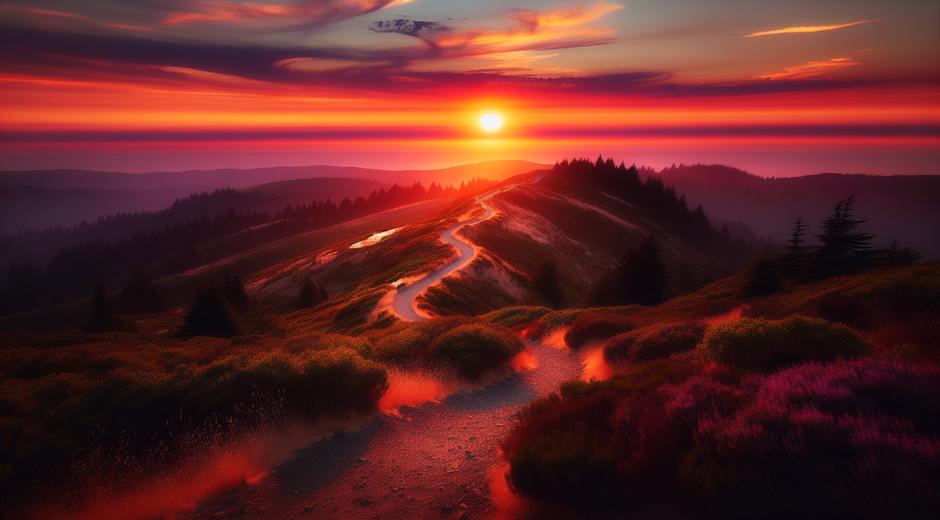


Secret Bays Discover Hidden Coastal Wonders
There is a special draw to places that feel private even when the world is wide open. Secret Bays evoke that feeling of quiet discovery. They are pockets of shoreline where the water meets the land in a way that feels intimate and timeless. For travelers who crave stories more than crowds the promise of a secret bay is irresistible. In this article we explore what makes a place a secret bay how to find them and how to enjoy them responsibly.
What Defines a Secret Bay
A Secret Bay is more than a small inlet. It is a place where geography climate and human presence combine to create a unique experience. Natural features like cliffs reefs and coves shelter water and shape sound. Vegetation frames the view. Limited access can come from rough paths private property or simply lack of awareness among travelers. That mix of shelter and solitude produces calm water clear tides and a sense that you have arrived somewhere special.
Why Seek Out Secret Bays
Many travelers want to check off famous sights. Secret Bays offer a different reward. They give time for reflection better sight lines for wildlife and clearer water for snorkeling or swimming. Photographers find light that feels untouched. Families find safer shallows for young swimmers. Solo travelers gain moments of meditative peace. For writers and creators these bays become settings that spark new stories. If you curate your journey story by story you may want to catalogue each secret bay you visit on a personal page at tripbeyondtravel.com where you can pair images with notes and maps.
How to Find Secret Bays
Finding a secret bay is part skill part luck and part research. Start with the map. Look for small inlets coves and irregular shorelines. Follow minor roads and footpaths that hug the coast. Local knowledge matters greatly. Ask residents at a cafe a small marina or a shop where the locals go to cool off. Guidebooks and blogs can point you to lesser known spots but be mindful that too much publicity can change the character of a place.
Another practical tool is archives and old newspapers. Historical sources often describe small harbors and old landing areas that no longer appear on mainstream travel lists. For research and background reading you can consult online newspaper archives that gather regional stories and old notices. A reliable resource for this kind of background is Newspapersio.com which can reveal early mentions of bays and coastal activity that hint at quiet beaches worth exploring.
Best Practices for Visiting Secret Bays
Respect is the single most important principle when visiting a secret bay. Many of these places are fragile ecosystems or part of private land. Always follow local rules dispose of waste properly and avoid disturbing wildlife. If access involves a path across private land ask for permission. Keep noise levels low especially near nesting sites or marine life. Pack out everything you bring in and leave nothing but footprints if even those will not damage vegetation or nests.
Safety is also key. Secret Bays sometimes have hidden currents rocks that are slippery and tidal patterns that can change quickly. Check local tide charts and weather forecasts before heading out. Tell someone where you are going and when you expect to return. Bring a basic first aid kit fresh water and a charged phone. If you plan to snorkel or dive learn the local conditions and consider hiring a local guide for the first outing.
Activities That Suit Secret Bays
The calm and privacy of secret bays make them ideal for low impact activities. Snorkeling and kayaking allow you to explore underwater life and shoreline caves without heavy infrastructure. Photography and sketching bring you closer to the subtle colors and textures of this environment. Bird watching is often rewarding because sheltered bays attract shore birds and migratory species. Gentle hikes along the shore provide unique perspectives at different times of day especially near sunrise and sunset when light enhances textures and colors.
How to Photograph a Secret Bay
Photographing a secret bay is about mood. Use slower shutter speeds to capture silky water that contrasts with rough rocks. Shoot during golden hour for warm tones and long shadows. Include foreground elements like driftwood rocks or shells to give depth to your images. A low vantage point often makes the most compelling compositions. If you want to document details capture close ups of marine life tide pooled algae and the patterns water makes against rock. Most importantly respect the place. Do not move or remove wildlife or artifacts for a better shot.
Seasonal Considerations
Secret Bays change with the seasons. In some regions summer brings calmer water and warmer air while winter can mean dramatic surf and shifting sandbanks. Spring can be a time of high biodiversity as species mate and nest while autumn may offer mild weather and fewer visitors. Plan your visit according to what you hope to experience. For wildlife encounters choose times when species are most active. For swimming choose warmer months. For dramatic light and mood seek out cooler months when storms paint the sky with contrast.
Conservation and Community
When a secret bay becomes popular it can lose the very qualities that made it special. That is why conservation and community engagement matter. Support local stewardship groups avoid commercializing the area and volunteer when possible to help with clean up and restoration. Learn about the cultural history of the place and respect traditions that may be linked to certain stretches of water. Communities often protect bays through rules about anchoring boats collecting shells or fishing. Follow those rules to help keep the bay healthy for future visitors.
Planning a Trip Around Secret Bays
Make secret bays part of a thoughtful itinerary rather than the entire focus of a trip. Combine them with visits to nearby villages natural reserves and coastal trails. Allow time to simply sit and absorb rather than trying to do everything at once. Pack light but carry essentials that make a visit comfortable like sun protection water and a small snack. Consider local lodging options that emphasize sustainability such as family run guest houses or eco friendly stays that support local economies.
Creating Lasting Memories
Secret Bays reward curiosity and patience. Bring a journal or a small sketchbook to capture fleeting impressions. Record the sound of the surf the pattern of light and the tiny discoveries you find along the shore. These notes become the basis for stories that you can share later on and that can inspire others to seek out quiet coastal places in a responsible way. If you choose to share your experiences online include guidance about how to visit without harming the site so that your readers can follow your example.
Final Thoughts
Secret Bays are invitations to slow down to listen and to notice. They remind us that travel is not only about seeing more sights but about deepening our relationship with place. Whether you are a seasoned traveler or someone who takes short escapes a secret bay can offer a rare blend of beauty solitude and renewal. Treat these places with care and they will continue to be the kind of destinations that feel like a private reward each time you return.