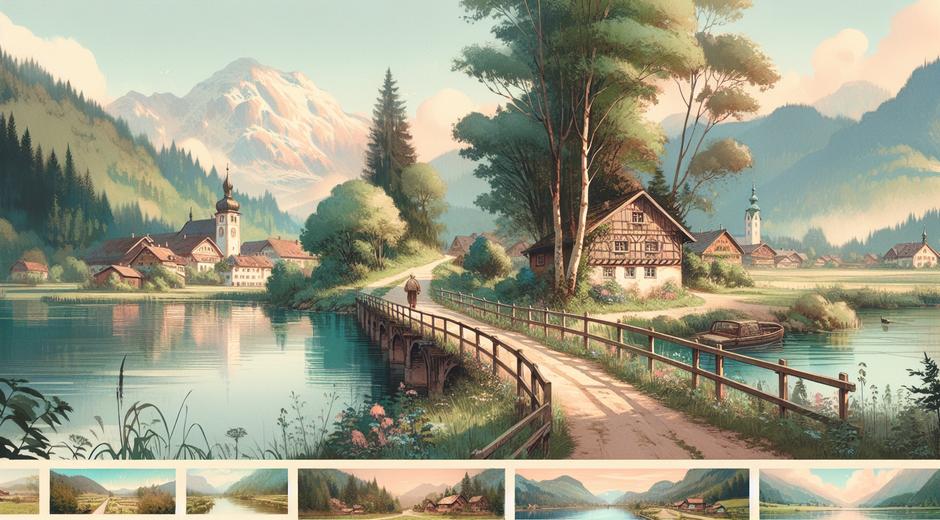


Slow Destination Guides
Slow Destination Guides are changing the way travelers plan trips. Instead of rushing through a list of must see sights people embrace time to soak in place and culture. This article explains why slow destination guides matter and how to use them to design meaningful travel. It also offers practical tips for planning longer stays connecting with locals and leaving places in better shape than when you arrived.
What is a Slow Destination Guide
A Slow Destination Guide is a travel resource that focuses on depth rather than breadth. It encourages longer stays local interaction and mindful exploration. These guides prioritize local businesses authentic experiences and low impact travel. The goal is to transform a short visit into a lasting memory by valuing quality of experience over quantity of check boxes.
Why Slow Destination Guides Matter for Today
The world of travel has changed. Many travelers now seek connection and meaning. Slow Destination Guides answer that need by offering curated paths that let people learn local stories savor regional food and support community led initiatives. Slow travel often leads to better understanding of local challenges and opportunities which can foster more responsible tourism. It also benefits the traveler by reducing stress improving cultural learning and producing more memorable experiences.
How Slow Destination Guides Differ from Traditional Guides
Traditional guides often list attractions by popularity with quick tips for a rushed itinerary. Slow Destination Guides prioritize neighborhood level detail long term accommodation options walking friendly routes and suggestions for how to spend a week or more in a single place. Instead of a checklist they provide seasonal calendars slow paced day plans and ideas for meeting local artisans farmers and guides. This approach helps travelers build deeper relationships with a place and its people.
Key Elements of a Good Slow Destination Guide
A high quality guide includes background on history and culture local transportation options that are sustainable suggestions for low impact activities and lists of businesses that reinvest in their communities. It also offers slow paced sample itineraries ideas for learning experiences and tips for packing for a longer stay. Safety information access to health services and clear advice on respectful behavior are part of the package. The best guides balance practical logistics with inspiration so readers can plan realistically while dreaming boldly.
How to Use a Slow Destination Guide When Planning
Start by choosing one or two hubs within a region rather than trying to see everything. Use your guide to find local markets cafes and community run projects where you can spend time. Plan for free days that allow for unplanned discoveries. Consider volunteering or taking a class to learn a local craft or cuisine. A Slow Destination Guide will help you identify trusted local partners for these experiences and provide contact information and seasonal notes.
Packing and Preparation Tips for Slow Travel
Packing for slow travel means valuing versatility and comfort. Bring clothes that work for multiple occasions and that are easy to wash by hand. Include a small first aid kit and any medication you need for longer stays. Research local laundry options and consider renting long term if that works. Learn a few phrases in the local language and read a bit about customs and food etiquette. A good Slow Destination Guide includes language notes and useful phrases to help you connect more easily with residents.
Sustainable Practices to Adopt
Slow travel and sustainability go hand in hand. Adopt practices such as choosing public transport walking or cycling staying in locally owned accommodation and buying produce from markets. Avoid single use plastics and prioritize businesses that demonstrate fair labor practices. If your Slow Destination Guide highlights community projects consider contributing time or a donation rather than buying mass produced souvenirs. These choices create a positive ripple effect that benefits the local economy and environment.
Examples of Slow Travel Experiences
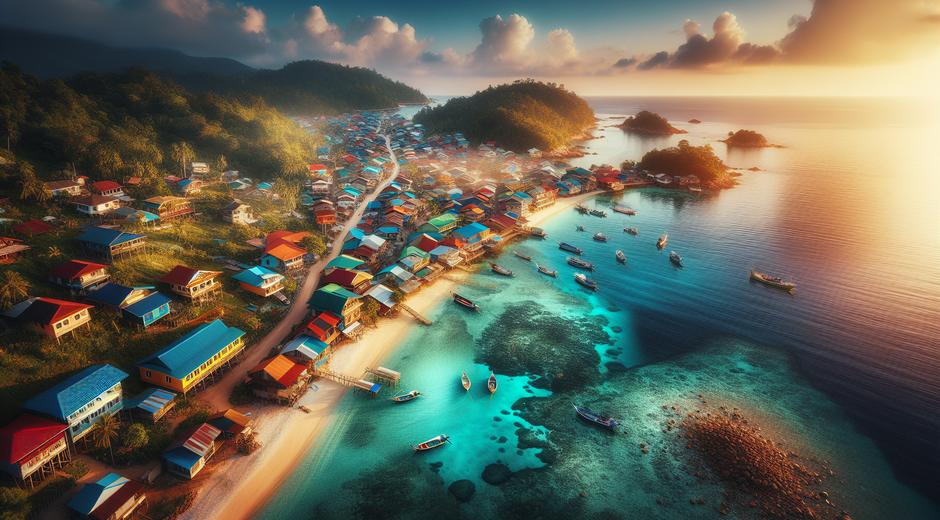
Examples include joining a family run farm for a harvest season taking a week long pottery course with a local artisan attending a music residency or spending time in a coastal village learning traditional fishing techniques. Each of these experiences requires time and patience but results in deeper understanding and memory. Slow Destination Guides often include contact details for hosting families schools and cooperatives that welcome longer term visitors.
How to Create Your Own Slow Destination Guide
If you prefer a personalized approach build your own guide by researching local blogs community calendars and small business directories. Start with the neighborhoods that feel most interesting and list places where you can linger such as cafes parks and cultural centers. Reach out to local tourism offices or community groups to ask about seasonal events and volunteer opportunities. Keep notes on contacts and opening times and update your guide as you learn more. Over time this grows into a trusted resource perfect for repeat visits.
Digital Tools and Resources
There are many platforms that help you plan slow trips but look for ones that support community led projects and local entrepreneurs. For a broad range of travel stories and local guides visit tripbeyondtravel.com where writers share long form narratives and practical recommendations for immersive stays. For planners and operators looking for business focused content and networking opportunities consider resources on BusinessForumHub.com which offers articles on travel market trends and community enterprise strategies.
How Slow Destination Guides Help Local Communities
When travelers follow slow guidance they tend to spend more money locally in smaller increments which supports micro enterprises and family run shops. Extended stays can lead to partnerships where travelers teach skills exchange knowledge and sometimes invest in local projects. Slow Destination Guides that prioritize ethical operators and community run initiatives help ensure that tourism revenue is distributed fairly and that cultural heritage is respected and preserved.
Measuring the Impact of Slow Travel
Impact can be measured by tracking how much income goes to local owners how many collaborations form between visitors and residents and by assessing environmental markers such as waste reduction and transport usage. A Slow Destination Guide that includes monitoring suggestions and feedback channels can help communities and visitors learn together and improve practices. Collecting stories about changes in local livelihoods and environmental improvements provides qualitative insight that complements numeric measures.
Tips for Responsible Behavior While Following a Guide
Respect local customs and dress codes ask permission before taking photos of people and always seek to learn from hosts. Tip generously when service is informal and avoid negotiating prices in ways that reduce livelihood. Be mindful of water and energy use and treat shared spaces with care. Slow travel offers the chance to be a visitor who contributes positively rather than simply consuming an experience.
Conclusion
Slow Destination Guides help travelers transform trips into exchange. They provide practical steps for staying longer connecting deeply and leaving a positive legacy. Whether you are a solo traveler a family or part of a small group these guides offer a framework to explore with curiosity patience and respect. Use them to plan a season of learning a month of discovery or a week of deliberate absence from hurry. The rewards of slow travel shape both memory and place in ways that fast paced travel rarely can match.