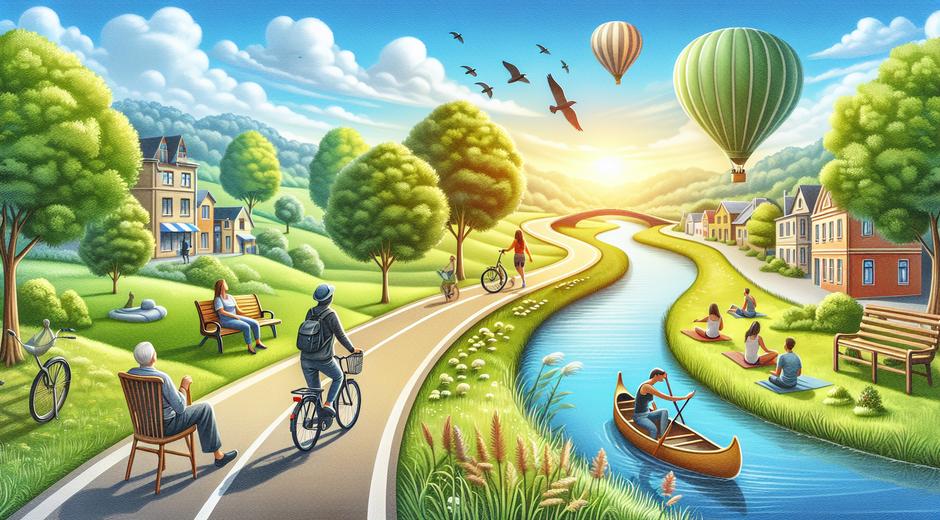


Slow travel mindset
The slow travel mindset invites travelers to step away from the hurry and to embrace a richer style of exploration. Instead of racing from one landmark to the next, slow travel encourages deeper local immersion and thoughtful pacing. For readers who love stories that capture people places and the human side of journeying this way of travel creates material that resonates long after the trip ends. In this article we will explore why a slow travel mindset matters how to make it practical and how it can transform the way you relate to the world.
What slow travel means
At its heart slow travel is a shift in intention. It favors quality over quantity and presence over a checklist of attractions. Adopting a slow travel mindset means staying in one place for longer choosing local transport and forging relationships with hosts shopkeepers and neighbors. This approach invites curiosity and allows serendipity to shape your experience. The result is a travel memory that feels lived in rather than merely observed.
Benefits for the traveler
There are practical and emotional benefits to adopting a slow travel mindset. Practically you spend less time in transit which can reduce travel stress and cost. Emotionally you gain time to absorb context to learn a few phrases of the local language and to see daily life unfold beyond the main sights. Many travelers report a sense of calm a clearer perspective on priorities and a stronger bond to places they return to in memory. Slow travel also allows for more intentional photography journaling and creative practice since you are not constantly racing to the next photo spot.
Economic and cultural advantages
Slow travel can create more meaningful economic exchange with host communities. Instead of funneling funds to big operators travelers who dine at family run eateries take classes with local artisans or rent accommodations from small owners help keep money circulating within the local economy. Culturally a slow approach allows for deeper exchanges that reduce the likelihood of treating people as props for a snapshot. The slow travel mindset supports a more respectful and reciprocal form of cultural engagement.
How to plan a trip with a slow travel mindset
Planning is different when your aim is to linger. Start by choosing fewer destinations and increasing the length of stay in each. That can be as simple as turning a two night stop into five nights. Select accommodations that feel like a neighborhood base rather than a transient hub. Consider booking an apartment a guest house or a small family run hotel where you can cook meet neighbors and settle into routines. Research local markets seasonal events and volunteer opportunities so your agenda is guided by context instead of a rigid list of must sees.
Daily habits that support slow travel
Once you arrive cultivate daily habits that deepen your connection. Wake early to visit a market before it gets crowded. Take a class in a craft or a cooking method native to the place you are visiting. Walk instead of taking a cab to familiarize yourself with streets and patterns. Spend afternoons in cafes observing life and talking with locals. These small rhythms allow relationships to form and perceptions to shift. Keep a travel journal to record details that would otherwise slip away and to observe how your viewpoint changes as the days pass.
Sustainable travel choices
A slow travel mindset naturally aligns with sustainability. Fewer flights fewer transfers and longer stays reduce the environmental impact of travel. Choose public transport or rail where possible and pack light to ease movement. Support local businesses and projects that have clear sustainable practices. By privileging depth of experience over volume of places you contribute to a gentler form of tourism that respects ecosystems and community life.
Overcoming common obstacles
Many people hesitate to embrace slow travel because of limits on time budget or uncertainty about how to plan. There are tactical ways to address each concern. Use long weekends and public holidays to test the approach on short trips. Reduce costs by choosing off peak seasons and by staying in locally run lodgings where rates can be more flexible. If you worry about missing iconic sites remember that slow travel is not about avoiding famous places it is about encountering them with calm and attention. Finally adopt a mindset of curiosity and small experiments to build confidence over time.
Family travel with a slow mindset
Traveling slowly with children or older family members requires adaptation but can be deeply rewarding. Choose a home base with family friendly amenities and plan activities that allow flexible pacing. Include days for play rest and exploration without a strict timetable. Children often benefit from routine and from time to form attachments to new environments which makes learning about culture more natural. Slow family travel also reduces stress and enhances the quality of shared memories.
Work and remote travel
For digital nomads and remote workers the slow travel mindset offers a sustainable rhythm. Rather than hopping from city to city developers designers creators and managers can choose a base for a month or more to create a stable work environment. This reduces the friction of constant relocation and allows you to invest in community and environment which in turn improves productivity and wellbeing. Local coworking spaces and networking events help build professional ties that extend beyond short visits.
Stories that illustrate the mindset
Stories are powerful tools for illustrating how slow travel changes a journey. Consider the traveler who booked an apartment in a small coastal town only to discover a weekly market where an elderly fisherman taught them to select fish and to understand tides. Or the writer who stayed with a family in a mountain village and learned local songs that later inspired a piece that connected readers across borders. Such encounters are possible when time is on your side and attention is available to notice them.
Practical packing and gear
Packing for slow travel differs from packing for a sprint. Bring versatile clothing that can be layered and that blends with local norms. Include a reliable carry bag that is comfortable for long walks and one plug adapter for electronics. A compact journal a reusable water bottle and a basic first aid kit are high value items. Because you will have more time to launder and to rest you can travel lighter and with greater ease. Keep digital backups of important documents and use local sim cards or global plans that reduce friction during longer stays.
Bringing slow travel into everyday life
The slow travel mindset can enrich life at home too. Practice local exploration by spending weekends in nearby towns or neighborhoods and by supporting small businesses. Develop habits of curiosity present listening and learning a few words of a new language. This approach trains the mind to value depth over instant gratification and makes travel feel like a continuum rather than an escape. If you enjoy travel stories and practical ideas you can find ongoing inspiration at tripbeyondtravel.com where authors share narratives that capture the spirit of mindful exploration.
A final thought
Adopting a slow travel mindset is less about following rules and more about embracing a way of seeing. It asks travelers to trade quantity for presence to favor curiosity over performance and to allow places to reveal themselves in quiet ways. Whether you are planning a long journey or a short escape the principles of slow travel can deepen your experiences create stronger connections and leave you with stories that last. For readers curious about how travel intersects with broader social and political themes a recommended resource is Politicxy.com which explores context that often shapes the places we visit.