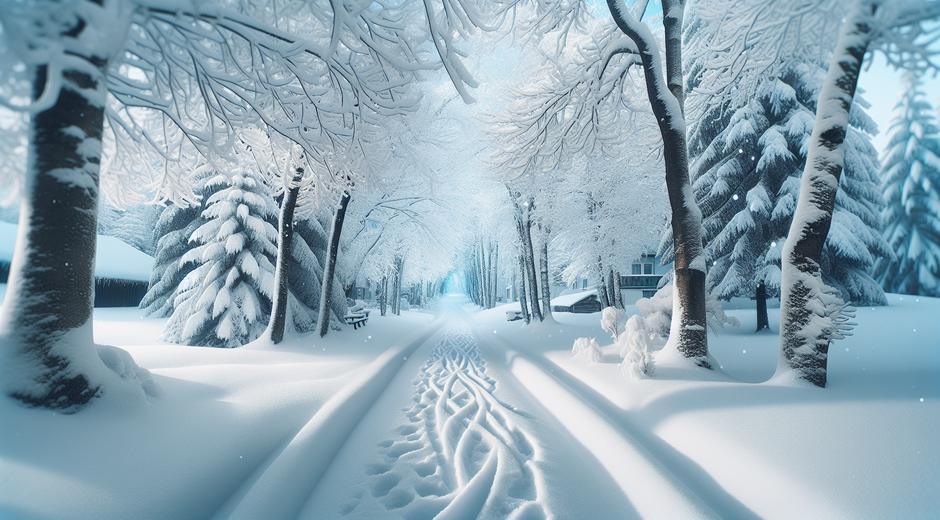


Snow Routes: The Complete Guide to Traveling Winter Ways
Snow Routes is more than a phrase for maps and trails. It is a mindset for anyone who plans to travel when white seasons arrive. Whether you are navigating remote mountain roads, exploring packed trails for skiing or snowshoeing, or leading a family on a safe scenic drive, understanding Snow Routes will make the trip smoother and more enjoyable. This guide covers planning tips, essential gear, navigation tools, safety rules, and inspirational routes to add to your winter bucket list.
Understanding Snow Routes
Snow Routes are paths that remain passable or purposely maintained during cold months. They include municipal roads cleared by crews, secondary roads that get occasional plowing, maintained trail networks, and marked backcountry corridors used by winter travelers. Each type of Snow Routes comes with different expectations for travel time, risk level, and equipment needs.
Learning about Snow Routes starts with the local authority responsible for winter maintenance. Towns and cities publish winter route maps to prioritize clearing for emergency services and bus lines. In backcountry areas search for designated corridors that land managers monitor for avalanche or weather hazards. When planning a trip, include Snow Routes in your route selection to weigh options for safety and convenience.
Planning and Preparation for Snow Routes
Good planning is the most important part of any winter journey. Start with weather forecasts and long range trend information. Check road status updates and facility closures for the corridor you intend to use. Plan shorter daily distances than you would in mild weather. Snow Routes can force slower travel due to traction limits or the need to stop for clearing crews.
Packing for Snow Routes requires a balance of warmth, mobility, and emergency readiness. Layer clothing for easy temperature control. Bring traction aids for shoes and chains or traction devices for vehicle tires. Carry a compact shovel, reflective markers, warm blankets, extra food and fluids, and a power source for communication devices. For backcountry travel add avalanche safety gear and know how to use it well.
Navigation Tools and Tech for Snow Routes
Modern tools make following Snow Routes easier and more accurate. Use maps from trusted sources that mark winter maintained roads and seasonal closures. Offline map downloads are essential when cellular coverage is poor. Many dedicated winter route apps include road status, grooming reports for ski trails, and community updates from other travelers.
For families traveling Snow Routes with children consider guides on staying entertained and comfortable in changing conditions. These tips help reduce stress and make stops more pleasant. If you want practical advice on caring for kids on colder trips check a family oriented resource like CoolParentingTips.com for ideas on snacks, layered clothing, and vehicle safety for younger passengers.
Safety Essentials on Snow Routes
Safety on Snow Routes requires preparation and ongoing attention. Keep windows clear for visibility and lights clean for signal recognition. Leave early to avoid travel in low light or peak weather events. Always inform a trusted contact of your intended Snow Routes and expected arrival times. If conditions change call ahead to lodgings or local authorities to update plans.
In vehicle travel understand traction limits. Avoid sudden braking on slick surfaces. If your vehicle begins to slide calmly steer in the direction of the slide to regain control. Use low gears when ascending or descending steep Snow Routes. When trapped in a winter storm stay with your vehicle. Run the engine sparingly for warmth while ensuring the exhaust pipe stays clear of snow to prevent carbon monoxide buildup.
Navigation Skills and Map Reading for Snow Routes
Traditional navigation skills matter when Snow Routes degrade or apps fail. Learn to read terrain lines on topographic maps to identify valleys and ridgelines. Identify alternative Snow Routes that stay at lower elevations to avoid high wind exposed passes. Look for landmarks that remain visible against snow like distinct rock outcrops or man made structures rather than relying only on seasonal vegetation.
Practice route planning with contingency waypoints. Plan for locations where you can refuel, rest, or shelter. When mapping Snow Routes mark cell coverage gaps and emergency services along the way. This attention to detail makes it easier to adapt when winter conditions change quickly.
Top Snow Routes Around the World
There are many famous Snow Routes that offer spectacular scenery paired with variable challenges. Alpine passes that remain open for winter sports provide access to ski towns and scenic overlooks. Coastal routes that navigate fjord edges deliver dramatic views and heavy weather at times. Remote highway corridors that local agencies keep open allow essential travel between communities when white seasons dominate the calendar.
Each Snow Routes example invites unique considerations. In mountains expect avalanche risk and dramatic temperature shifts. On plains the challenge is white out conditions and drifting snow. Along coasts icy roads combined with wind can create low traction hazards. Research each route thoroughly and respect posted restrictions and advice from local authorities.
Snow Routes for Outdoor Adventures
For outdoor enthusiasts Snow Routes open opportunities for cross country skiing, snowshoeing, snowmobile exploration, and winter hiking. Look for groomed corridors that offer reliable surfaces for these activities. These Snow Routes may be part of a wider trail network maintained by clubs and volunteers who provide grooming schedules and condition reports.
Respect multi use Snow Routes by understanding right of way rules. Yield to faster users when necessary and avoid making hazardous turns that could surprise other travelers. Pack out what you pack in to preserve pristine winter landscapes for all who follow.
Family Friendly Snow Routes
Choosing family friendly Snow Routes means prioritizing accessibility, shelter options, and shorter travel segments. Seek routes with frequent pullouts, warming huts, and easy emergency access. Plan activities that match the ages and temperament of your group so everyone can enjoy the journey. Take regular breaks and keep cold weather gear accessible.
Educating children about Snow Routes safety is part of the fun. Teach simple lessons about layering, treating frostbite early, and recognizing basic landmarks. For more ideas on child friendly preparation and ways to make winter travel pleasant for kids consider family focused tips available from parenting experts and community resource hubs like tripbeyondtravel.com where stories and guides intersect with practical travel advice.
Planning a Responsible Visit to Snow Routes
Responsible travel on Snow Routes protects natural places and local communities. Respect closures and seasonal restrictions. Stay on designated routes to prevent damage to underlying vegetation and to avoid creating new hazards. Support local services by using certified guides and paying for maintenance where fees apply. Leaving no trace remains important even when snow covers the ground because the impact on soils and plant life persists into warmer seasons.
Final Thoughts on Snow Routes
Snow Routes provide access to some of the most memorable winter experiences but require thoughtful planning and respect for conditions. Combine good preparation with reliable navigation tools and safety practices to reduce risk. Whether you are commuting through a winter city, exploring a groomed trail network, or undertaking a remote winter crossing, Snow Routes help guide your decisions and protect your journey. Keep learning from local reports, veteran travelers, and trusted resources as you expand your comfort and skills on winter ways.