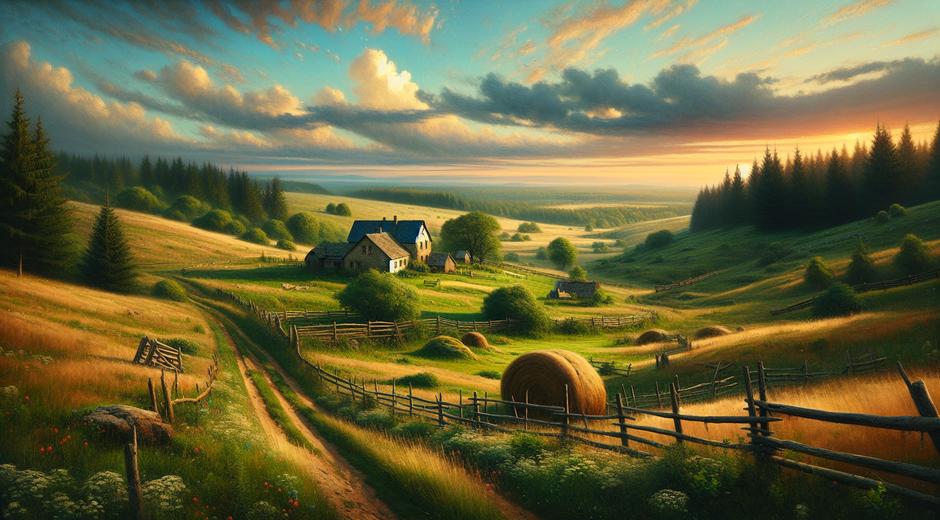


Travel solitude: Embrace Quiet Journeys to Rediscover Yourself
Travel solitude is more than a travel style. It is an approach that blends mindful exploration with personal growth. In a noisy world full of alerts and constant contact, choosing to travel alone and embrace solitude can feel like a radical act. This article explores why travel solitude matters, how to prepare for a solo trip, and ways to balance alone time with new social experiences while staying safe and curious.
Why Travel solitude is powerful
Many travelers seek solitude not out of avoidance but from a desire for deeper connection with place and self. When you travel solitude you remove the usual social script and open space for unexpected discoveries. There is time to notice the small things like the angle of light on a quiet street or the cadence of a local language. These moments can shift perspective, reduce stress, and build confidence.
From a mental health point of view, travel solitude offers respite from social expectations. Solo travelers often report increased self awareness and improved decision making. Time alone on the road can help reset priorities and recharge creative energy. For writers artists and thinkers, solitude can lead to breakthroughs that would be difficult to achieve in relentless company.
How to plan a successful solo trip
Planning is essential when you choose travel solitude. Start with research on destination safety culture and transport. Choose accommodations that match your comfort level. If you prefer quiet mornings and friendly evening exchanges choose a small guesthouse or a bed and breakfast. If you want privacy and a base for long work sessions or reflection consider a private apartment or a cabin near nature.
Budgeting is also important. Traveling alone means you carry the full cost but it also grants flexibility. You can choose where to spend and where to save. Many solo travelers favor slow travel which allows deeper immersion at lower cost. You can stay longer in one place and build rapport with locals which often leads to unique local tips and cheaper options for food and transport.
Packing light for clarity and ease
Packing for travel solitude should focus on comfort and utility. Aim for versatile clothing that layers well and a small bag that keeps you mobile. Include basic first aid and items that make solo evenings easy such as a compact book a journal and offline maps. A reliable power bank and a simple travel adapter are practical must haves. Don not overload yourself with gadgets that create noise or distraction. The goal is to make moving between places easy so you can stay present.
Daily routines that enhance solitude
When you travel solitude routines help anchor days while leaving room for spontaneity. Start with simple rituals like a morning walk or a quiet breakfast at a local cafe. Keep a travel journal to record sensations and small details that often fade from memory. Try a single mindful practice each day such as breathing exercises or a short guided meditation. These habits will deepen the restorative power of your trip.
Another useful routine is setting micro goals. These can be small social tasks such as asking a local about their favorite market or a personal challenge like learning a phrase in the local language. Micro goals create gentle structure and increase the odds of meaningful interactions without compromising solitude.
Balancing solitude with connection
Many solo travelers wonder how to stay alone yet still meet people. The key is setting clear intentions for when you seek company and when you want quiet. Join small group classes or day tours focused on activities such as cooking art or nature hikes. These settings often foster easy low pressure connections that can be brief and enriching. Local markets cafes and community events are natural places to observe and sometimes chat with locals.
Online platforms and local notice boards can help you find safe social opportunities. When you do meet new people keep simple boundaries and trust your instincts. Most of the time casual conversation leads to small exchanges that enrich the journey and return you to solitude refreshed.
Safety essentials for solo travelers
Safety is a top concern for anyone choosing travel solitude. A few practical habits reduce risk and increase confidence. Share your itinerary with a trusted contact and check in periodically. Keep digital copies of important documents and use secure backups. Learn basic phrases in the local language such as asking for help or directions. Trust your senses and avoid overly remote areas at night unless you have reliable local guidance.
Technology can be both a tool and a trap. Use it wisely for navigation and contact but do not let it replace living in the moment. Disable unnecessary notifications to preserve quiet time. If you need long term accommodation options consider reputable local agencies or verified platforms with clear reviews. For planning resources and travel stories that inspire mindful exploration visit tripbeyondtravel.com to read personal narratives and practical guides.
Finding meaningful accommodation options
Where you stay shapes the quality of solitude. If you seek nature choose small eco lodges or cabins near trails and lakes. If you enjoy urban solitude find a quiet neighborhood with green spaces and simple cafes. Many cities offer micro hotels and boutique apartments that combine privacy with local charm. For longer stays some travelers explore renting managed properties with reliable hosts which can create a calm base for daily exploration. To discover curated housing options for extended trips consider reviewing trusted property services like MetroPropertyHomes.com for listings that suit solo needs.
Transformative experiences drawn from solitude
Travel solitude often leads to profound experiences. Without the noise of constant social input you may notice subtle shifts in how you relate to others and to yourself. Time alone on a mountain trail or by the sea can clarify life choices. Solo time may reveal neglected passions or lead to new creative projects. Many solo travelers return home with renewed clarity and a stronger sense of purpose.
Even short trips focused on solitude can change habits. You may develop a habit of regular reflection or a new appreciation for slower rhythms. That shift often continues when you return home bringing long term benefits to work relationships family life and personal wellbeing.
Practical tips to enhance your solo journey
Embrace flexibility. Solitude reveals new paths when you let plans breathe. Keep a slim list of must see items and leave large blocks of unscheduled time for wandering. Practice safety in simple ways such as keeping friends informed and staying in public places when needed. Learn to love small pleasures like a well brewed cup or a quiet sunset. These sensory details are the backbone of travel solitude.
Finally treat your solo travel as an experiment in living. Allow curiosity to lead and accept that some days will be quiet while others may be surprisingly social. By approaching the trip with openness you create space for genuine discovery and sustained personal growth.
Conclusion
Travel solitude is a rich way to explore both the world and yourself. It teaches resilience and nurtures creativity. With thoughtful planning a few safety practices and the right mindset your time alone can be deeply restorative. Whether you are taking a weekend escape or a long season on the road the quiet moments you collect will shape memories and reveal insights that last long after the journey ends. For inspiring stories and more guidance on mindful travel visit tripbeyondtravel.com and begin imagining your next quiet adventure today.